Microsoft says Iran is using fake news websites and cyberattacks to influence the U.S. election.
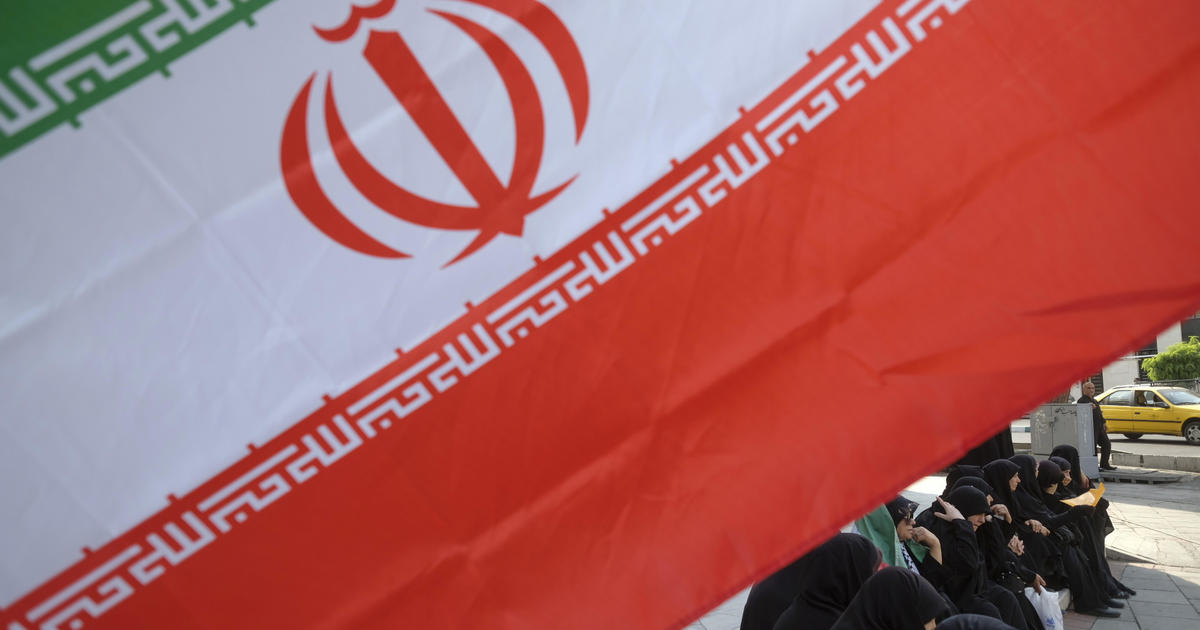
Iran is stepping up its online activities with the apparent goal of influencing the upcoming U.S. election, Microsoft revealed on Friday.
The Iranian actors have been busy in recent months setting up fake news websites, impersonating activists, and employing phishing attacks, all in an effort to sow division and potentially impact American voters, especially in crucial swing states.
Microsoft’s latest threat intelligence report sheds light on how Iran, a country known for its involvement in previous U.S. elections, is adapting its strategies for the upcoming crucial election, which is expected to have global repercussions. The report delves into specific examples of Iranian groups and their actions, going beyond what previous U.S. intelligence disclosures have revealed. Despite the findings, Iran’s United Nations mission has denied any plans to interfere or conduct cyberattacks in the U.S. presidential election.
The report doesn’t outline Iran’s specific intentions beyond causing chaos in the United States. However, U.S. officials have previously suggested that Iran holds a particular disdain for former President Donald Trump. There have been concerns over Tehran’s efforts to seek retribution for a 2020 attack on an Iranian general authorized by Trump. Just this week, charges were filed against a Pakistani man with ties to Iran, accused of planning assassination attempts on multiple officials, possibly including Trump.
Furthermore, the report highlights how Russia and China are capitalizing on the political polarization in the United States to further their own divisive messaging in a year with crucial elections.
Microsoft’s report points out four recent instances of Iranian activity that are expected to intensify as the election in November approaches. One example involves a group linked to Iran’s Revolutionary Guard targeting a high-ranking official from a U.S. presidential campaign with a phishing email in June. The email was disguised as coming from a former senior adviser’s compromised account. Subsequent attempts were made to access the account of a former presidential candidate. The individuals targeted were promptly notified.
Another Iranian group has been setting up fake news sites posing as U.S.-based news outlets catering to voters on different ends of the political spectrum. One such site criticizing Trump, while another focuses on LGBTQ issues and gender affirmation, appealing to Republican readers.
Additionally, Iranian groups are impersonating U.S. activists, laying the groundwork for potential influence operations closer to the election. In a separate incident in May, an Iranian group compromised the account of a government employee in a swing state, although its connection to election interference remains unclear.
The statement from Iran’s U.N. mission emphasized the defensive nature of Iran’s cyber capabilities, denying any intention or plans to launch cyberattacks. The mission reiterated that the U.S. presidential election is an internal matter in which Iran does not interfere.
Microsoft’s report underscores how Iran, along with actors linked to Russia and China, is leveraging generative AI technology to influence the election. The report raises concerns about the potential misuse of AI-generated content, such as fake images and videos, to manipulate voters.
While several countries have explored AI in their influence campaigns, the report notes that traditional techniques like digital manipulations and mischaracterization of content are still prevalent due to their proven effectiveness.
The findings from Microsoft align with recent warnings from U.S. intelligence officials who caution against foreign adversaries spreading false and incendiary information online ahead of the election. The officials highlighted Russia as the primary threat for election disinformation, with indications that Iran is expanding its efforts while China is proceeding cautiously for the upcoming 2024 election.
Iran’s influence efforts appear targeted at undermining candidates likely to escalate tensions with Tehran, with former President Trump fitting that description due to his policies that strained U.S.-Iran relations. A recent update from intelligence officials pointed to Tehran’s efforts aimed at countering Trump.
The report from the Office of the Director of National Intelligence (ODNI), FBI, and Department of Homeland Security noted Iran’s online activities focused on sowing chaos and societal divisions, using a network of internet personas. The timing of these efforts coincides with heightened tensions between Iran and Israel, a close ally of the U.S.
In a separate revelation, Director of National Intelligence Avril Haines disclosed Iranian government support for American protests over Israel’s conflict with Hamas in Gaza. Actors linked to Iran posed as activists online, encouraging protests and even offering financial backing to protesters.
Foreign entities, including Iran, have a history of trying to sway U.S. elections. In 2020, Iranian-affiliated groups targeted Democratic voters with emails seemingly aimed at intimidating them into supporting Trump.