Microsoft says Russian trolls made up fake hit-and-run story about Vice President Kamala Harris
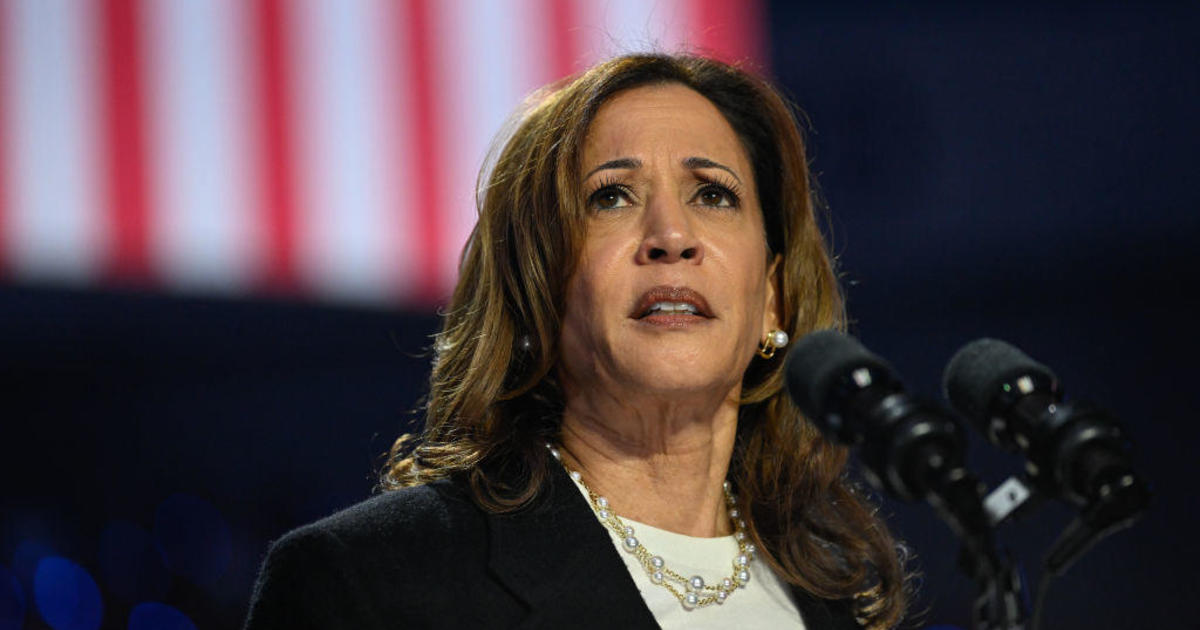
Recent reports have revealed the lengths to which foreign actors are willing to go to influence U.S. elections. One striking example is the false claim about Vice President Kamala Harris being involved in a hit-and-run incident in 2011 that left a 13-year-old girl paralyzed. This fabricated story was traced back to a Russian troll farm known as Storm-1516, which is said to be aligned with the Kremlin.
According to Microsoft’s Threat Analysis Center, the hit-and-run claim first appeared on a fake local news website posing as KBSF-TV in San Francisco in September. The website featured a video with a paid actor speaking about the alleged incident. However, public records and news reports quickly debunked the story, showing no evidence of such an event. Additionally, a CBS News analysis found that the video contained photos from unrelated news stories, further discrediting the claim.
Despite being debunked, the false story gained traction on social media platforms like X (formerly known as Twitter), Facebook, TikTok, and YouTube. Pro-Russian channels on Telegram also played a role in amplifying these claims, adding fuel to the fire of misinformation.
Microsoft’s report also highlighted another Russian-aligned group, Storm-1679, which published videos aimed at undermining Harris’s credibility. One such video depicted a fake New York City billboard with false claims about Harris’s policies. Russia’s use of cyber groups to disseminate divisive political content, staged videos, and AI-enhanced propaganda remains a significant concern, according to Microsoft.
Beyond Russian influence operations, the report shed light on Chinese-linked efforts by a group known as Storm-1852. This group created online personas posing as conservative U.S. voters supporting former President Donald Trump while also producing content critical of Trump. Microsoft’s ongoing monitoring of covert influence operations has revealed a complex web of foreign interference in U.S. politics.
In response to these threats, Meta announced a ban on Russian state media outlets from its apps worldwide due to concerns about foreign interference activities. This move comes after the U.S. government accused RT and its employees of funneling millions of dollars through shell entities to fund covert influence campaigns on various social media platforms.
As the 2024 presidential election looms closer, the stakes are higher than ever when it comes to safeguarding against foreign interference. Microsoft’s reports serve as a stark reminder of the challenges posed by disinformation campaigns and the need for vigilance in protecting the integrity of the democratic process.