Mississippi lawmakers to vote on requiring work for Medicaid expansion plan.
Mississippi lawmakers are gearing up to make a decision that could have a profound impact on the lives of tens of thousands of people in the state. A proposal to expand Medicaid coverage is on the table, but there’s a catch – a work requirement that may not get the green light from the federal government.
The state House and Senate each passed their own expansion plans earlier this year, and now negotiators from both chambers have come together to present a compromise proposal. The clock is ticking as the legislative session draws to a close, with the deadline looming for a decision to be made.
The proposed plan would mandate that new Medicaid recipients work at least 100 hours a month in a job that doesn’t offer private health insurance. Alternatively, they could qualify if they are full-time students or parents of young children under the age of 6.
If the federal government rejects Mississippi’s work requirement, the state Division of Medicaid would need to seek approval annually moving forward, recognizing that a change in federal administration could lead to a different outcome.
Georgia currently stands alone as the only state with a Medicaid work requirement, fighting in court to maintain the mandate after the Biden administration moved to revoke its approval late last year. Mississippi, known as one of the poorest states in the country, could significantly benefit from expanding Medicaid coverage to provide essential care for individuals battling chronic health conditions such as asthma and diabetes.
Under the federal health overhaul signed into law by President Barack Obama in 2010, states were given the option to expand Medicaid, primarily targeting individuals working low-wage jobs without health insurance. Despite being among the minority of states resisting expansion, Mississippi may be on the brink of a substantial shift in policy.
Republican Governor Tate Reeves has long been hesitant to add more residents to government assistance programs, but with new leadership in the House spearheading the push for expansion, the tide may be turning. House Speaker Jason White believes that expanding Medicaid could offer much-needed support to struggling hospitals across the state.
In a bipartisan move, the House passed a bill in February to extend Medicaid coverage to around 200,000 individuals earning up to 138% of the federal poverty level, equating to $20,120 annually for one person. As of March, Mississippi’s Medicaid program already covers nearly 375,000 people out of a total population of 3 million.
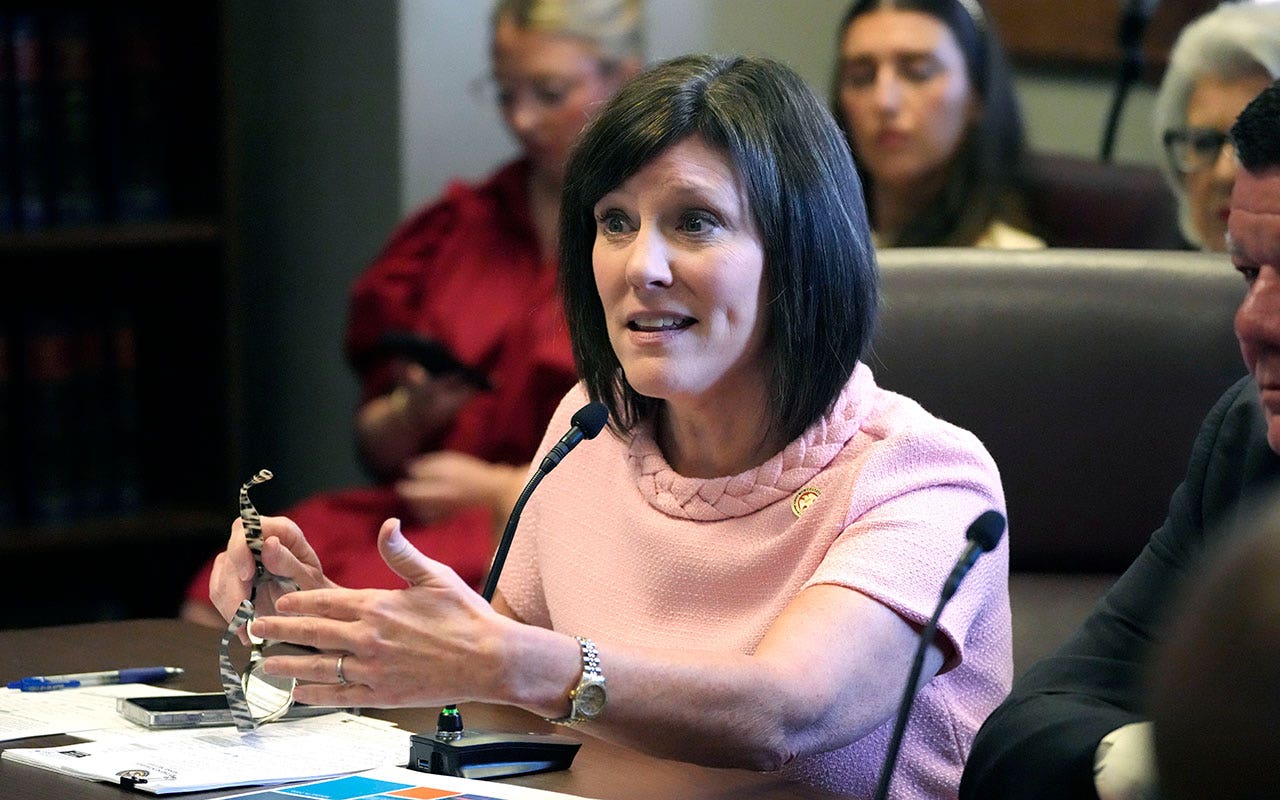
On the other hand, the Senate approved a more limited version in March that would broaden eligibility to those earning up to 100% of the federal poverty level, just over $15,000 for one person. Senate Medicaid Committee Chairman Kevin Blackwell estimates that approximately 80,000 people would become eligible for coverage, though he expects a lower enrollment rate.
As Mississippi lawmakers prepare to cast their votes on this critical proposal, the future of healthcare access for thousands of residents hangs in the balance. The decision will not only shape the state’s healthcare landscape but also reflect broader discussions surrounding healthcare policy in the United States.