Montana voters to decide on abortion rights.
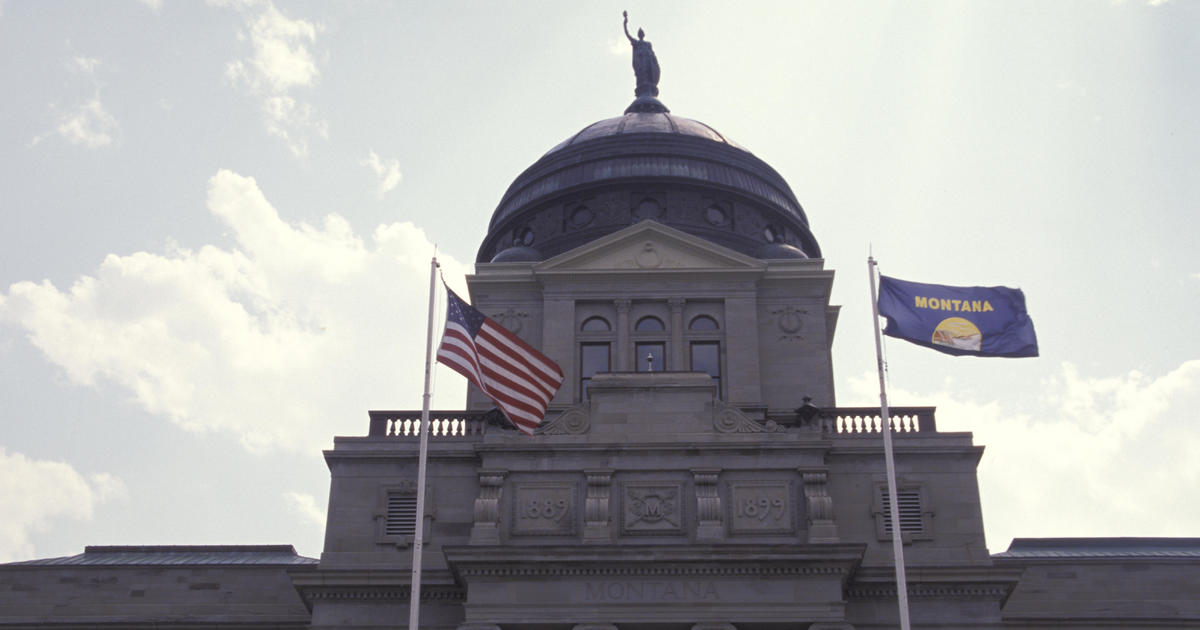
The state of Montana is gearing up for a significant decision this November, as voters will have the opportunity to determine whether the right to an abortion should be protected in the state constitution. Montana has officially become the eighth state to bring this crucial issue to the electorate this fall.
The Montana Secretary of State’s Office has certified that the general election ballot will feature an initiative regarding abortion rights. It is important to note that the majority of these states, including Montana, are aiming to amend their respective constitutions to address this contentious topic.
The proposed measure in Montana aims to uphold a 1999 ruling by the Montana Supreme Court, which states that the constitutional right to privacy includes the right to a pre-viability abortion by a provider chosen by the patient.
However, the path to this ballot initiative has not been without its challenges. In 2023, Republican lawmakers in Montana passed a law asserting that the right to privacy does not extend to protecting the right to an abortion. Despite this law, it has not yet been legally contested.
There have been strong opposition efforts to prevent the initiative from reaching the ballot. Conversely, supporters have fought diligently to ensure that the issue is presented for voter consideration.
Republican Attorney General Austin Knudsen initially raised concerns about the legality of the proposed measure. Following an intervention by the Montana Supreme Court, which overturned Knudsen’s decision, the ballot language was revised. The new language frames the amendment as a potential extension that allows post-viability abortions up to birth, elimination of the state’s interest in preserving prenatal life, and a possible increase in taxpayer-funded abortions.
Notably, the high court took the initiative to craft its own language for the petitions used to collect signatures. Signature-gatherers reported instances of intimidation tactics aimed at dissuading potential signees.
Furthermore, changes were made by the Secretary of State’s Office regarding the validity of signatures from inactive voters. This decision marked a departure from nearly three decades of established precedent, leading to a legal battle to uphold the inclusion of these signatures.
Ultimately, supporters managed to gather over 81,000 signatures, surpassing the required threshold of just over 60,000 signatures. The initiative also garnered support from 59 out of the 100 state House districts, meeting the criteria set for qualification.
Republican lawmakers in Montana have persistently sought to challenge the 1999 ruling by the state Supreme Court. Legislative efforts in 2021 and 2023 aimed to impose restrictions on abortion access, notably contesting the constitutional protection of abortion rights under the guise of privacy rights.
Courts have intervened to block several of these measures, such as bans on abortions after 20 weeks of gestation, medication abortions via telehealth services, mandated waiting periods, and ultrasound requirements. These legal interventions have consistently referenced the 1999 ruling that established the right to abortion in Montana.
Recently, the state Supreme Court ruled that minors in Montana do not require parental consent to undergo an abortion, overturning a previous law from 2013.
In a referendum in 2022, Montana voters rejected a proposal that sought criminal charges for healthcare providers who failed to take all necessary actions to save the life of an infant born alive, post-attempted abortion. Opponents argued that such legislation could deprive parents of valuable time with infants facing incurable medical conditions under the obligation to attempt treatment.
Following the landmark decision by the U.S. Supreme Court to overturn Roe v. Wade in June 2022, the responsibility of regulating abortion was returned to individual states. Since then, several states, including California, Kansas, Kentucky, Michigan, Ohio, and Vermont, have placed abortion-related questions before voters, with supporters of abortion rights prevailing in each instance.
The battle over abortion rights and access continues to evolve, with Montana poised to make a crucial decision in the upcoming election. The outcome of this vote will have far-reaching implications for reproductive rights in the state, reflecting the ongoing national debate surrounding this contentious issue.