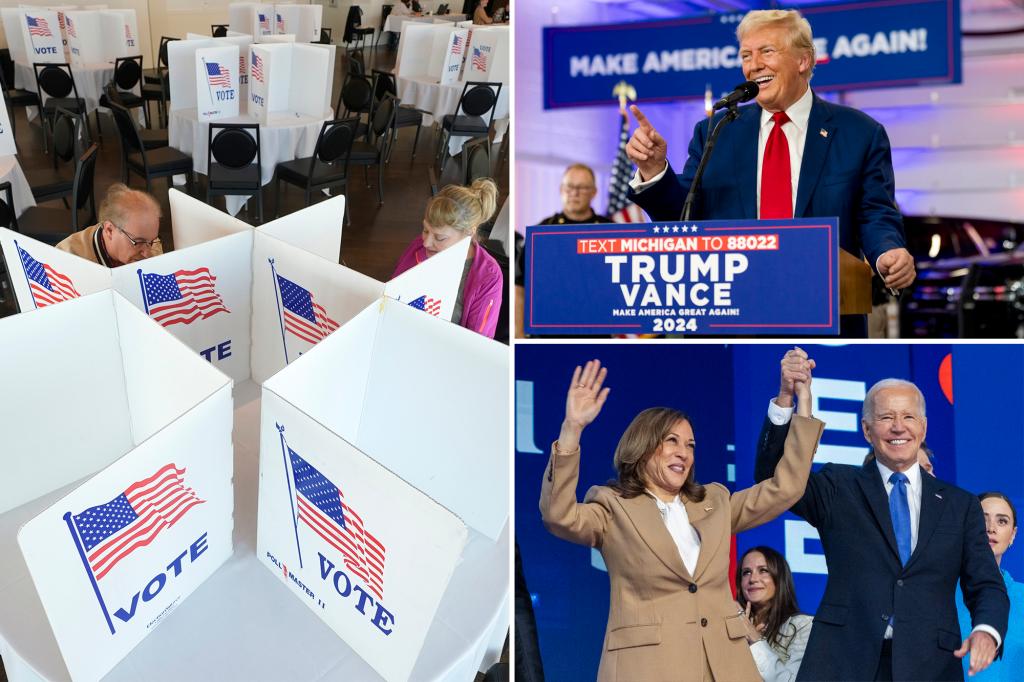
Most Michigan voters don’t think they’re better off now compared to under Donald Trump.
Less than 30% of Michigan voters believe that they are better off now than they were under Donald Trump’s administration, according to recent polls.
The sentiment among Michigan voters seems to indicate a lack of faith or satisfaction with the current state of affairs under President Joe Biden. This shift in opinion may hold significant implications for future elections and political dynamics within the state.
While the reasons behind this discontent vary, some voters cite concerns over rising inflation, border security issues, and the ongoing COVID-19 pandemic as contributing factors to their dissatisfaction with the current administration.
Michigan, a key battleground state in recent elections, has been closely watched by political analysts and strategists. The state’s electoral votes have played a crucial role in determining the outcome of past presidential races, making it a focal point for both major political parties.
With less than 30% of voters feeling better off under the Biden administration, it is evident that there is a significant level of skepticism and disillusionment among Michigan residents. This sentiment could potentially sway future election results and shape the political landscape in the state.
As the midterms approach, politicians and candidates will need to address these concerns and convince voters that they have a viable plan to address the issues facing Michigan and its residents. Failure to do so could result in further dissatisfaction and potentially impact the outcome of future elections.
It is crucial for both major parties to closely monitor the sentiments of Michigan voters and tailor their campaigns and policies to address the specific needs and concerns of the state’s residents. Failure to do so could result in missed opportunities and ultimately impact the outcome of elections.
Overall, the lack of satisfaction among Michigan voters highlights the importance of understanding and addressing the unique challenges and issues facing the state. As the political landscape continues to evolve, it is imperative for politicians and candidates to engage with voters and demonstrate a commitment to improving their lives and addressing their concerns.