NATO Leader Says Trump Helped More Members Meet Spending Goals.
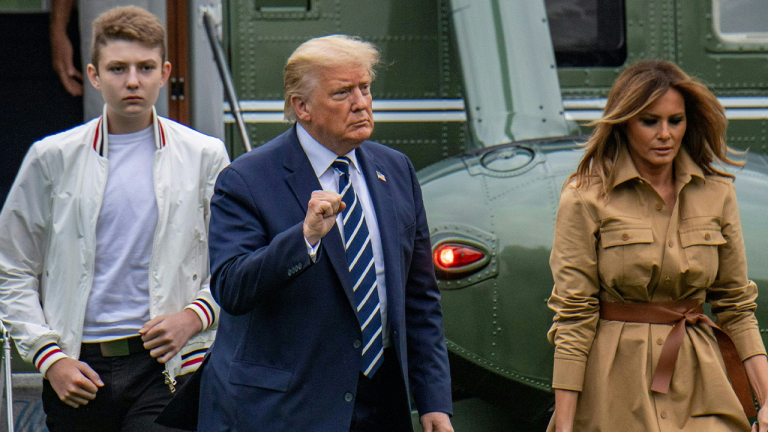
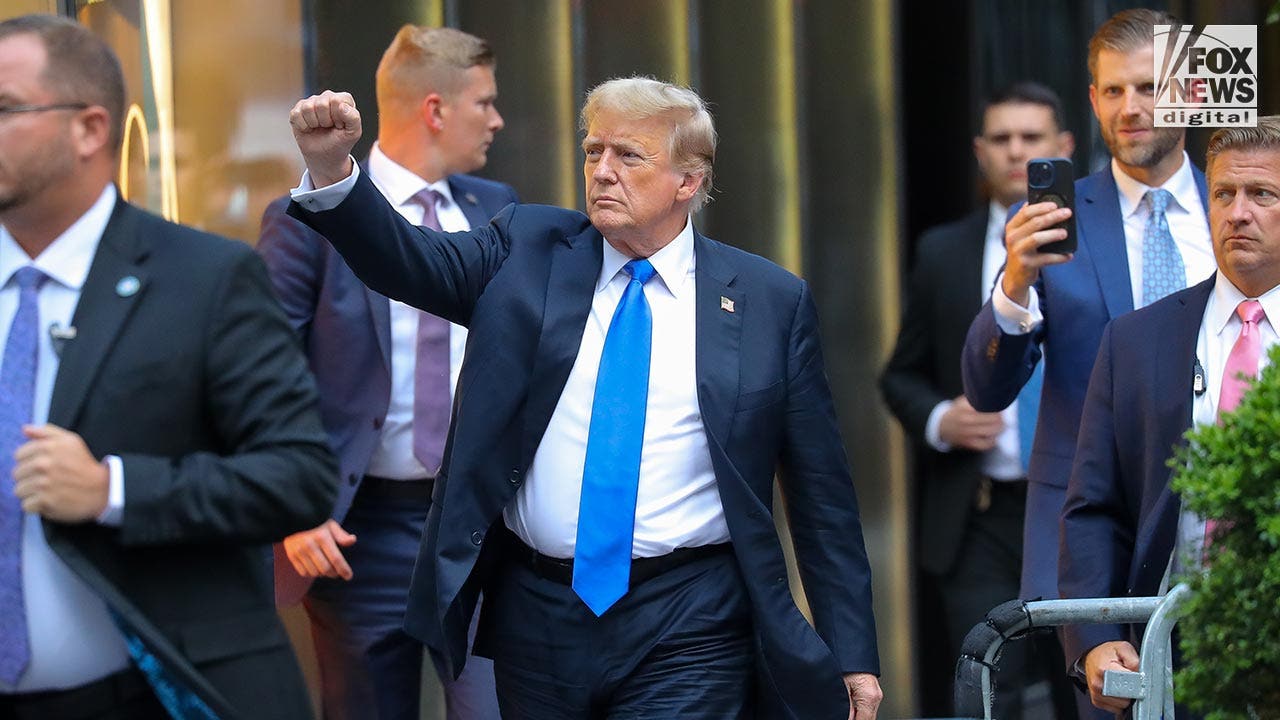
NATO Secretary General Jens Stoltenberg recently praised former President Trump for his role in boosting NATO member countries’ defense spending to meet contribution requirements. Stoltenberg shared that Trump’s clear message on the importance of European allies increasing their defense budgets was instrumental in driving positive change within the alliance.
During Trump’s presidency, there was a strong emphasis on NATO members fulfilling their financial commitments. Stoltenberg acknowledged the significant progress made over the past year, with more European allies ramping up their defense spending. While there is still work to be done, Stoltenberg expressed optimism that all allies will reach the 2% target in the near future.
On the geopolitical front, Stoltenberg highlighted the growing partnerships between Russia and countries like China, North Korea, and Iran. He underscored the need for NATO nations to address the implications of these alliances, especially when it comes to China’s support for Russia in conflicts like the ongoing situation in Ukraine.
Stoltenberg emphasized the importance of holding China accountable for its actions, particularly in light of its dual role as a trading partner with European and NATO allies and a key backer of Russia. He stressed that China cannot continue to benefit from friendly relationships with Western nations while aiding authoritarian regimes like Russia in destabilizing regions like Ukraine.
As Russia receives support from China, North Korea, and Iran, Stoltenberg warned of the broader implications for global security. He highlighted the collective threat posed by these authoritarian regimes and their shared interests in undermining Western influence in regions of strategic importance.
In conclusion, Stoltenberg’s remarks shed light on the complex dynamics shaping NATO’s response to evolving security challenges. The legacy of former President Trump’s advocacy for increased defense spending among European allies continues to resonate within the alliance, driving progress towards a more equitable burden-sharing framework.