Netanyahu says sorry for Hamas attacks and warns about threat from Iran.
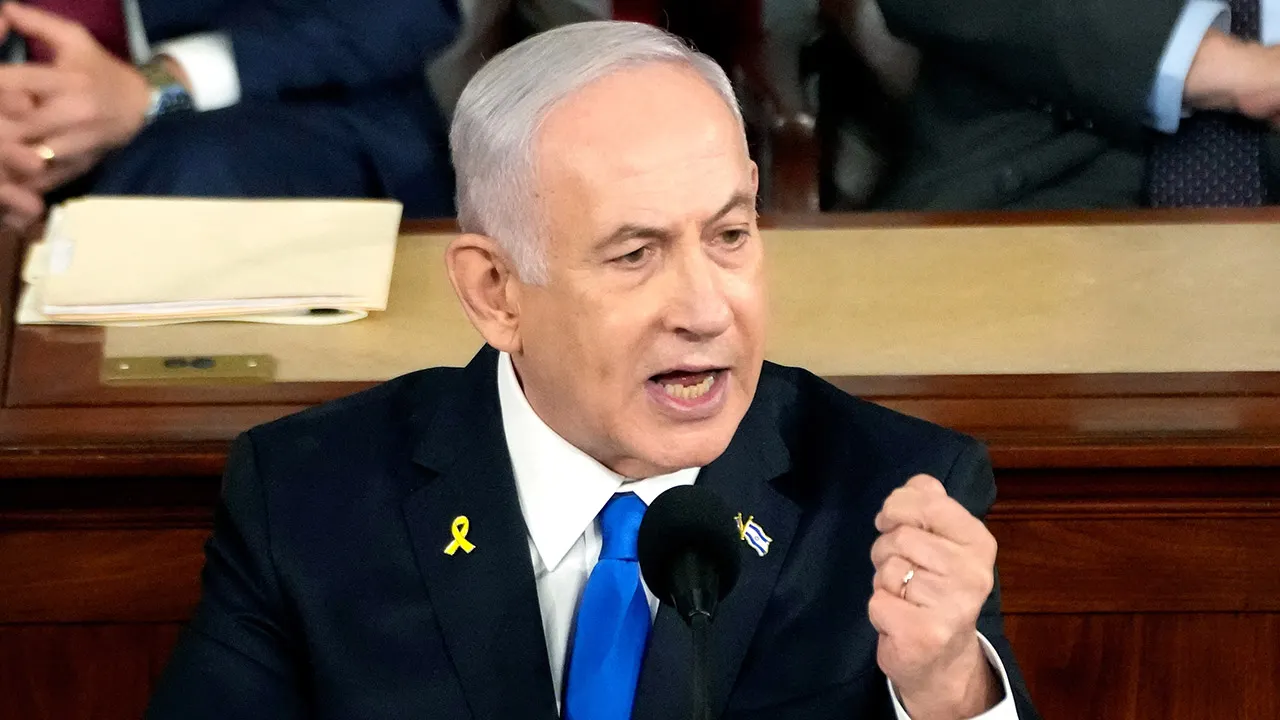
Israeli Prime Minister Benjamin Netanyahu recently issued an apology for the Oct. 7 attack by Hamas terrorists that occurred under his watch. In a new interview with Time Magazine, he expressed regret for the tragedy that resulted in the death of 1,200 people and the capture of hundreds more in Gaza.
During the interview conducted on Aug. 4 in Jerusalem, Netanyahu acknowledged the devastating impact of the attack and posed the question of whether preventive measures could have altered the outcome. This incident marked the deadliest attack on Jews since the Holocaust, leaving the Biden administration increasingly frustrated with Netanyahu’s inability to develop a plan for ending the conflict and bringing the remaining hostages home.
Moreover, Israel currently finds itself facing multiple threats on various fronts, including Hezbollah in Lebanon and the Houthis in Yemen, with an impending aerial threat from Iran looming. Netanyahu stressed the urgency of preparing for a comprehensive defense strategy against the emerging Iranian axis.
Public sentiment has shifted significantly, with 72% of Israelis calling for Netanyahu’s resignation either immediately or after the conflict ceases. Critics such as former Prime Minister Ehud Barak accuse Netanyahu of prolonging the war for personal political gain, warning of long-term repercussions on Israeli society and national security.
Despite mounting pressure, Netanyahu remains steadfast in his resolve to dismantle Iran’s regional influence and prevent future tragedies like the Oct. 7 attack. He perceives the ongoing conflict as an existential threat to Israel’s security, emphasizing the need to prioritize national defense over short-term criticisms or political considerations.
Netanyahu’s recent address to Congress aimed to garner support from the United States, Israel’s closest ally. However, the event was marred by the absence of nearly 130 Democrats and Vice President Harris, highlighting a growing divide in American political attitudes towards Israel.
Addressing concerns about eroding support for Israel, Netanyahu underscored the importance of distinguishing between American perspectives and those of terrorist organizations like Hamas. Despite challenges in public perception, polls indicate a majority of Americans continue to endorse Israel’s stance in the conflict.
As tensions escalate, Netanyahu remains committed to pursuing a decisive resolution to the conflict, underscoring the imperative of safeguarding Israel’s future security. Despite criticism over past decisions and policy approaches, he remains resolute in his mission to neutralize threats and protect Israeli citizens.
Reflecting on his leadership tenure, Netanyahu acknowledged moments of miscalculation, particularly regarding past decisions on military engagement with Hamas. While facing opposition from security advisors and domestic constraints, he expressed regret for missed opportunities to address Hamas’ growing influence and infrastructure.
In past conflicts, Israeli officials presented strategies to counter Hamas but faced significant backlash due to potential civilian casualties and international condemnation. Netanyahu emphasized the necessity of both domestic and international support for any military action, highlighting the complex dynamics at play in the region.
Moving forward, Netanyahu is focused on restructuring Israel’s defense mechanisms to confront emerging threats and ensure the country’s long-term security. As Israel navigates a volatile geopolitical landscape, his leadership will be pivotal in shaping the nation’s response to evolving challenges.