New GOP Senate bill may block federal student loans for anti-Israel occupiers
Republicans Threaten to Cut Federal Aid for Students Involved in Anti-Israel Protests
Republicans are now taking a firm stance against college students who commit crimes during the anti-Israel protests that have been sweeping universities all over the United States. Sen. Thom Tillis, along with eight other Republican senators including Marsha Blackburn and Steve Daines, introduced the No HAMAS Act in an effort to crack down on illegal activities during these demonstrations.
The No HAMAS Act is being described as “commonsense legislation” that aims to cut off federal aid for individuals who are engaging in criminal behavior, promoting anti-Semitism, and supporting terrorists openly. Tillis emphasized that his bill targets “grown adults” who break the law by participating in activities such as unlawful assembly, rioting, trespassing, or causing property damage during the protests.
This measure, if passed, would prevent anyone convicted of such crimes during university protests from receiving any grants, loans, or work assistance under the Higher Education Act of 1965, which is responsible for authorizing various student aid programs.
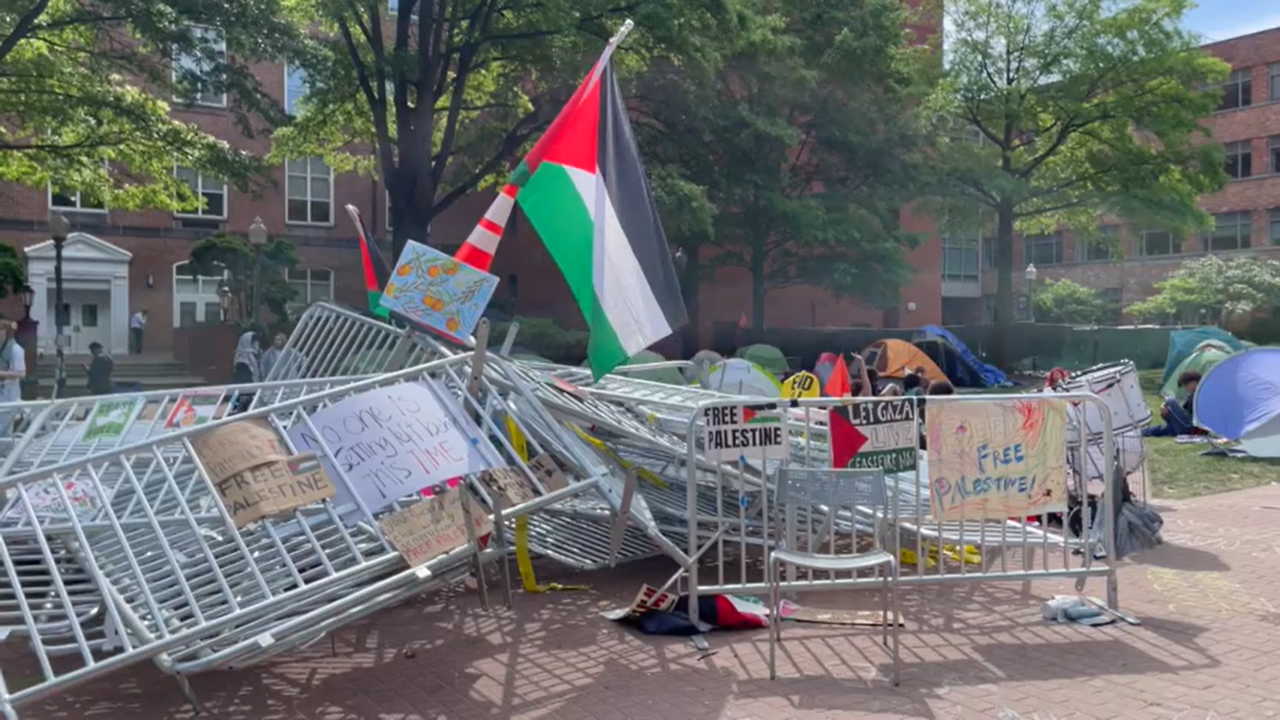
Recent statistics reveal that between April 18 and May 3, over 2,200 people were either arrested or detained at 49 college campuses across 26 states due to demonstrations. Notably, the situation escalated at Columbia University, where protesters managed to take over a campus building before law enforcement intervention.
These anti-Israel demonstrations have been occurring throughout the nation, highlighting the growing tensions surrounding the Israeli-Palestinian conflict. The bill sponsored by Sen. Tillis is just one of many Republican initiatives seeking to limit federal benefits for students involved in such protests that veer into illegal territory or for universities that allow these activities to persist without consequences.
It is clear that lawmakers are taking a tough stance on individuals who engage in criminal behavior under the guise of protesting, and the repercussions could potentially impact the access to federal financial aid for those found guilty of such actions.
As the political landscape continues to evolve in response to these demonstrations, it remains to be seen how this legislation and others like it will shape the future of student activism on college campuses and the broader discourse surrounding international conflicts.
Stay tuned to Boston Post News for the latest updates on this developing story.