New Mexico residents worried about reusing fracking water
Environmental officials in New Mexico are taking steps to regulate the treatment and reuse of oil industry fracking water as the state deals with limited water supplies and challenges in wastewater disposal. The state water quality commission has initiated a series of hearings to develop rules that initially restrict the release of produced water from oil and gas production but allow for pilot projects.
Andrew Knight, assistant general counsel to the state Environment Department, emphasized that the rule is currently prohibitive towards any release of produced water, treated or untreated. The focus is on advancing treatment technologies through pilot projects while ensuring the highest level of protection.
Despite the proposed regulations, there are concerns from various groups about potential contaminants in the drilling process. Some argue that the rules lack specific water quality standards necessary for effective treatment projects. Liz Newlin Taylor, an attorney for Select Water Solutions, believes that the regulations need improvement to address water source issues.
Environmental groups are urging the Environment Department to clarify definitions related to the reuse of treated water in various settings, including agriculture and potable water. Tannis Fox, representing Amigos Bravos and The Sierra Club, highlighted the public’s concerns about land application and groundwater pollution.
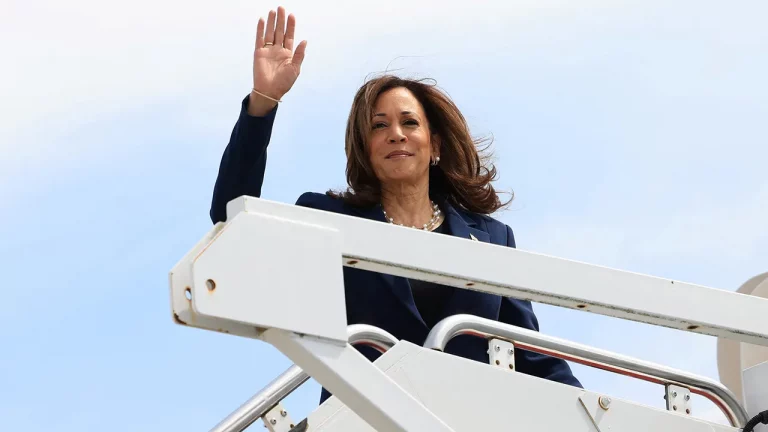
New Mexico Governor Michelle Lujan Grisham has proposed initiatives to obtain treated water from oil and gas drilling byproducts. While related legislation faced obstacles in the Legislature, the governor remains determined to pursue these water sourcing strategies.
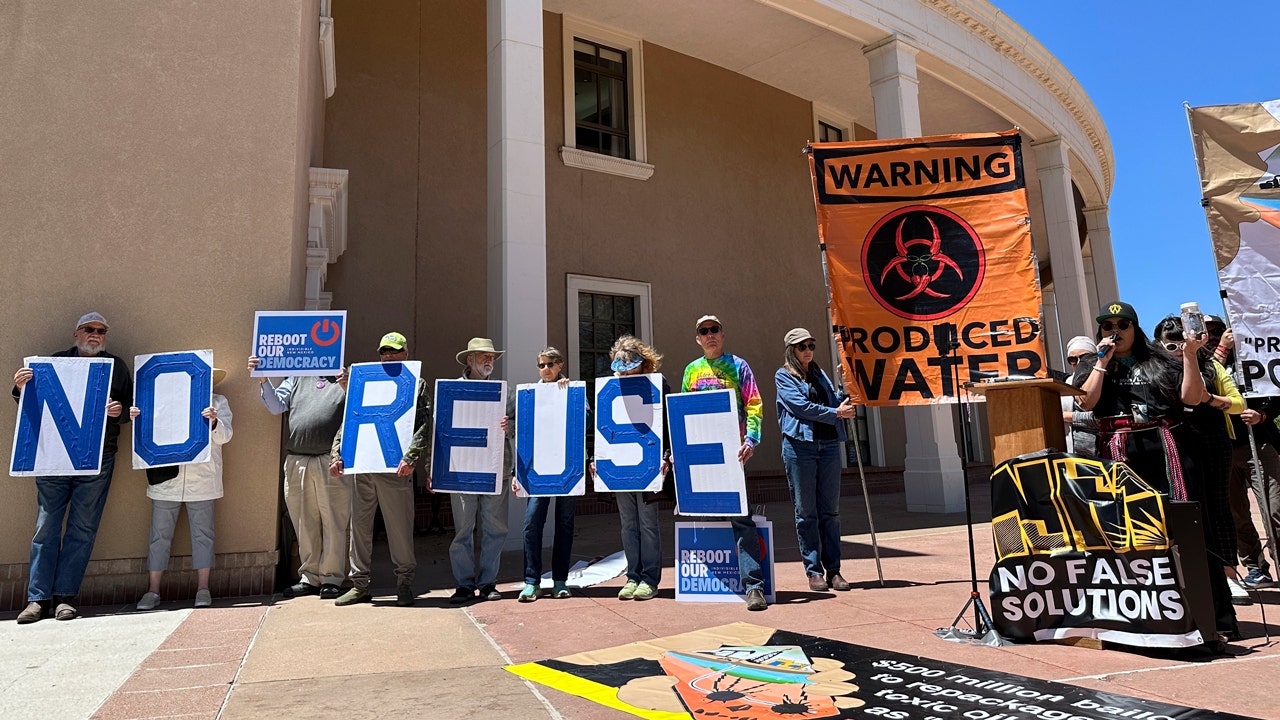
Protests against the oil wastewater rule have emerged, with demonstrators advocating for stronger measures to prevent pollution. Reyes DeVore of the Pueblo Action Alliance expressed opposition to using toxic wastewater beyond the oil fields, questioning the efficacy of the proposed water supply solution.
Industry experts are warning about future water scarcity in New Mexico, with increasing competition among various sectors for limited water resources. John D’Antonio emphasized the far-reaching impacts of water shortages on municipal planning, population growth, and economic activities.
Oil companies are facing challenges in disposing of growing volumes of produced water, exacerbated by concerns such as seismic activity linked to injection wells. Robert Balch from the Petroleum Research Recovery Center highlighted the significant volume of wastewater generated in relation to oil production.