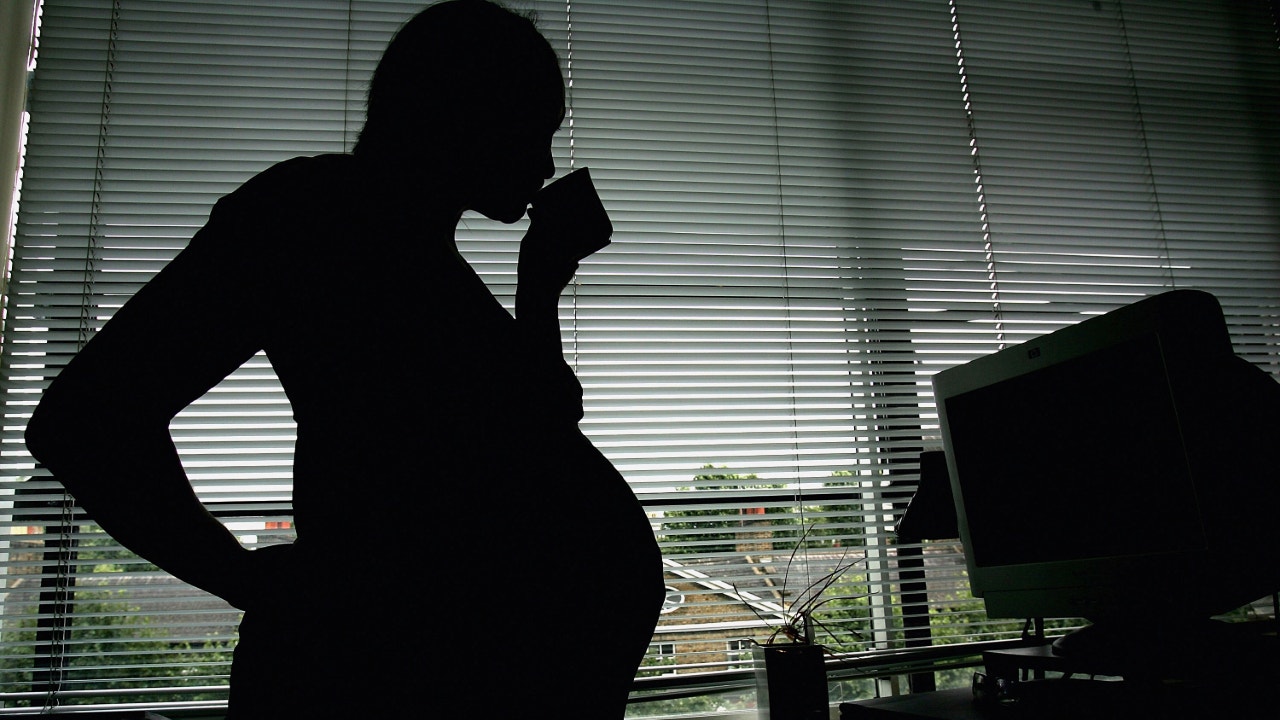
New parents in Baltimore would receive $1,000 baby bonus
The city of Baltimore, Maryland, is at the forefront of a bold new initiative to combat childhood poverty by providing new parents with a $1,000 “baby bonus” starting at birth. This measure, set to be decided by voters in the upcoming November elections, aims to address the systemic issues that contribute to poverty and create a more equitable society for all.
The idea behind the “baby bonus” is not a new one. Inspired by a program in Flint, Michigan, where expectant mothers receive financial assistance during pregnancy and after birth, supporters of the Baltimore initiative see it as a critical step towards breaking the cycle of poverty that plagues many families across the country.
Nate Golden, a dedicated high school math teacher and president of the Maryland Child Alliance, passionately supports the “baby bonus,” believing that early intervention can have a lasting impact on a child’s future. He advocates for allocating resources where they can make the most significant difference, citing research that underscores the importance of investing in children from birth.
In a city where an alarming 31% of school-aged children live in poverty, the need for action is clear. While federal relief programs provided some respite during the COVID-19 pandemic, the rate of childhood poverty has since risen back to about 12% nationwide in 2022. This troubling statistic highlights the urgency of addressing the root causes of poverty and supporting families in need.
Golden, who witnesses the effects of poverty on his students firsthand, emphasizes that addressing the underlying needs of children is essential for fostering a conducive learning environment. By offering financial assistance to new parents, the “baby bonus” program aims to provide families with the support they need to thrive and succeed.
If passed, the “baby bonus” initiative will not result in increased taxes for Baltimore residents. The $7 million estimated annual cost of the program, which amounts to a mere 0.16% of the city’s operating budget, will be funded through existing resources. However, the specifics of fund allocation will be determined by the City Council should the measure be approved.
While existing federal programs like the child tax credit have made strides in alleviating childhood poverty, they often come with bureaucratic hurdles that exclude some families in need. Advocates for the “baby bonus” argue that a more direct and accessible approach is needed to ensure that all families can benefit from financial assistance.
Maryland Governor Wes Moore has also expressed his commitment to supporting vulnerable residents, signing legislation earlier this year to provide grant funding for community organizations in high-poverty areas. In addition, Baltimore launched a pilot program in 2022 offering income assistance to young parents using federal pandemic-relief funds, further demonstrating the city’s dedication to addressing poverty at its core.
As November approaches, the residents of Baltimore have the opportunity to make a difference in the lives of children and families by voting in favor of the “baby bonus” initiative. By supporting this measure, voters can send a powerful message to policymakers that investing in early childhood development is essential for creating a more prosperous and equitable future for all.