New York court denies Trump’s request to speak publicly
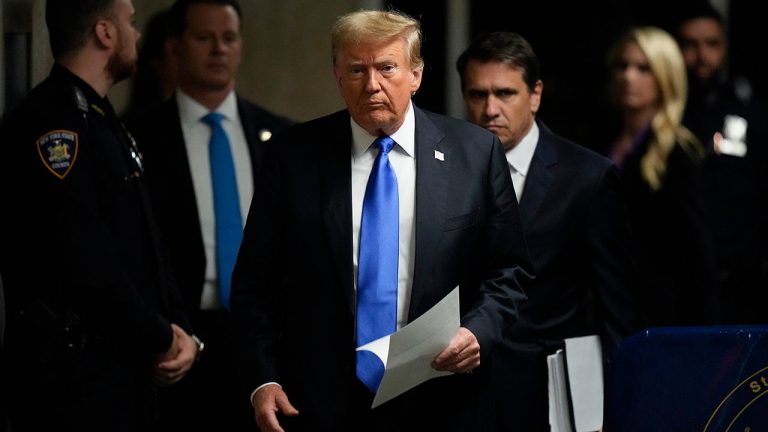
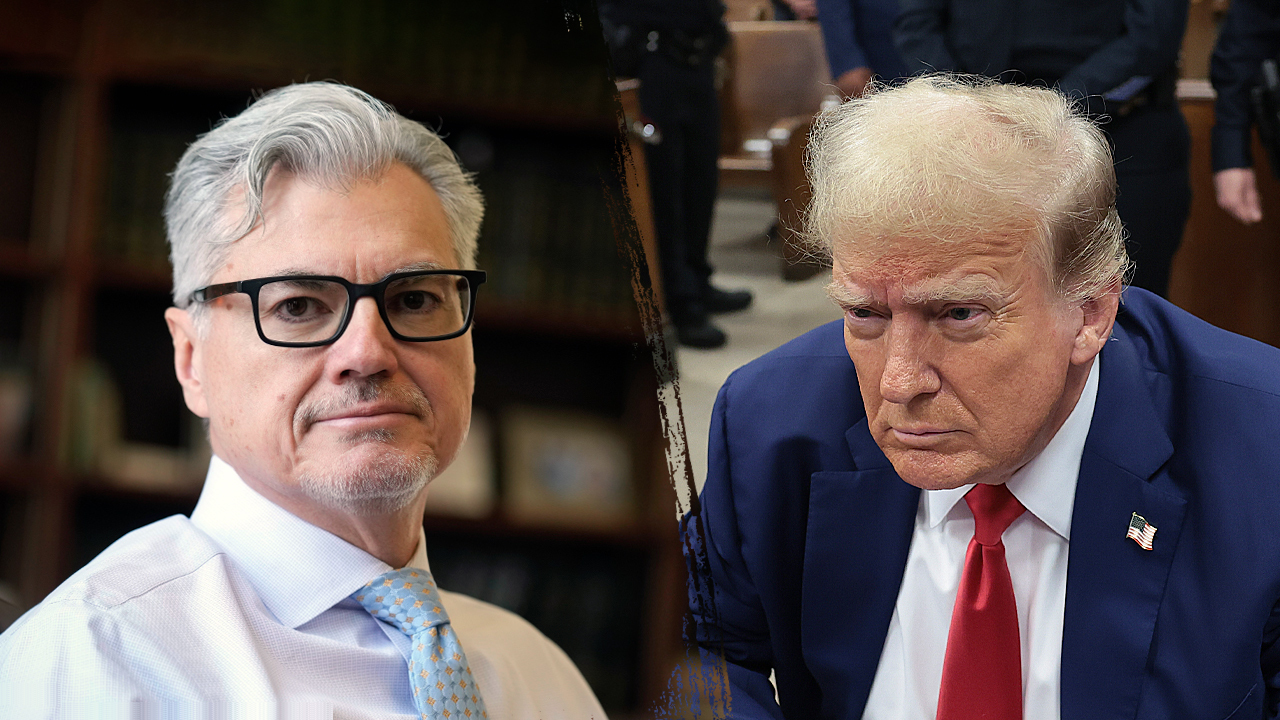
The New York Court of Appeals made a decision on Tuesday that has significant implications for former President Donald Trump and his legal team. The court rejected Trump’s appeal to have a gag order lifted, which had been imposed by Judge Juan Merchan. This gag order prohibits Trump from discussing witnesses and the case following the conclusion of his trial. Trump’s lawyers argued that the gag order violated his First Amendment rights, especially considering his status as the presumptive Republican nominee for the 2024 presidential election. However, the court stood firm in its decision to uphold the gag order.
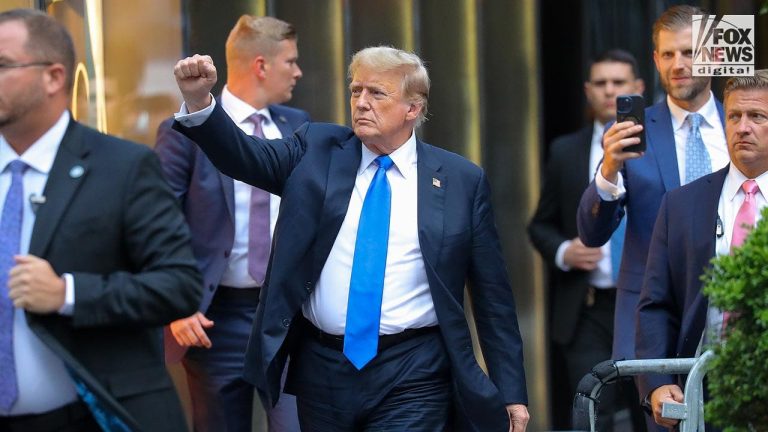
Steven Cheung, a spokesman for Trump’s campaign, expressed the team’s determination to fight against what they perceive as an unconstitutional restriction on their ability to communicate with the public. The gag order specifically targets Trump, preventing him from speaking out while his political opponents face no such restrictions. This unequal treatment has raised concerns about the impact on free speech and transparency in the political process.
Trump’s trial, which lasted six weeks, ended with his conviction on all 34 counts of falsifying business records. The case was brought by Manhattan District Attorney Alvin Bragg, who has been at the center of controversy surrounding the prosecution of Trump. Despite repeated appeals by Trump’s legal team, the gag order remained in place throughout the trial and continues to affect his ability to address the public.
Trump’s legal counsel, Todd Blanche, emphasized the need to lift the gag order now that the trial has concluded. Blanche questioned the justification for the order in the first place and argued that it was no longer necessary given the change in circumstances. With the upcoming presidential debate and the intense focus on the 2024 election, Trump’s team believes that he should be allowed to speak freely without facing legal repercussions.
Despite ongoing challenges and fines imposed by the court, Trump remains defiant and committed to exercising his right to free speech. The looming sentencing date of July 11 adds another layer of complexity to the situation, as it coincides with the Republican National Convention where Trump is expected to receive the nomination for the presidential race. The outcome of this legal battle will have far-reaching implications for Trump’s future political aspirations and the broader landscape of free speech in America.