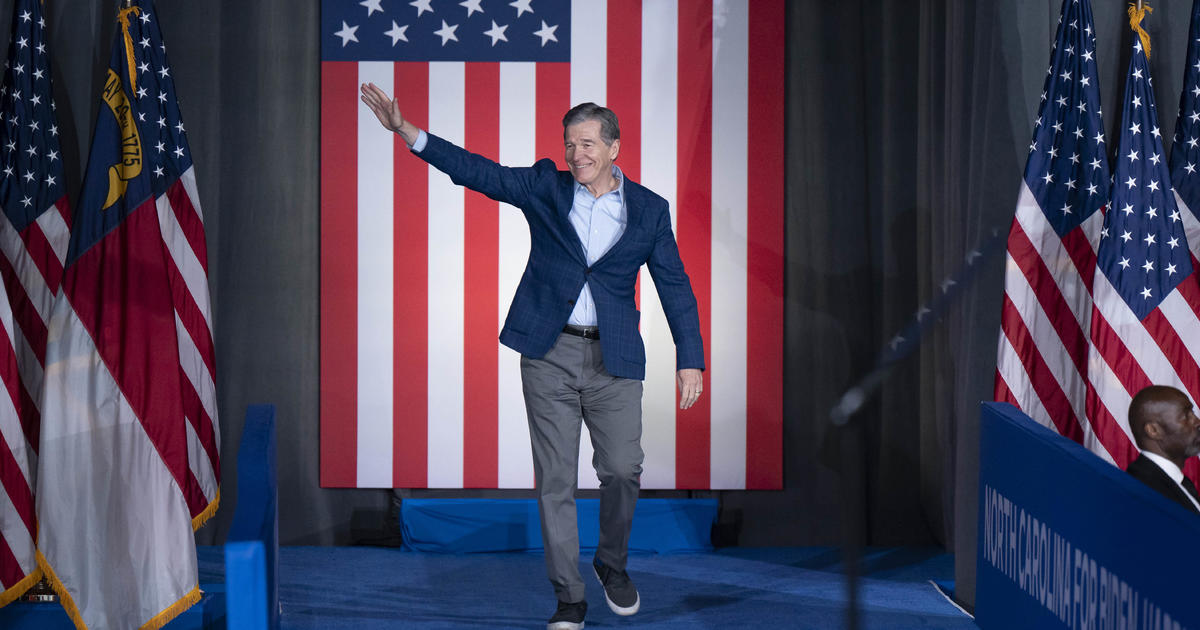
North Carolina Governor Roy Cooper decides not to be considered as Harris VP.
What is the process behind vetting potential candidates for the Vice President position? Recently, North Carolina Governor Roy Cooper has withdrawn himself from consideration as Vice President Kamala Harris’ potential running mate, according to sources familiar with the vetting process. This development was initially reported by the New York Times.
Cooper was among approximately a dozen individuals undergoing vetting for the role. Other names in consideration include Senator Mark Kelly of Arizona, Governor Josh Shapiro of Pennsylvania, Governor Tim Walz of Minnesota, Governor Andy Beshear of Kentucky, and Transportation Secretary Pete Buttigieg.
With Cooper being 67, he was the oldest candidate in the mix. He managed to win both of his gubernatorial races during the same years that Donald Trump secured victories in North Carolina. In 2016, Cooper defeated Republican incumbent Pat McCrory, becoming the first candidate to unseat a sitting governor in the state’s history. Due to term limits, Cooper is unable to seek a third term as governor.
Michigan Governor Gretchen Whitmer has also made it clear that she is not interested in becoming Vice President, stating on “CBS Mornings” that she is not part of the vetting process. Whitmer emphasized her commitment to serving as governor until the end of her term in 2026.
It is essential for political leaders at all levels to undergo thorough vetting processes when being considered for positions of national importance. These processes ensure that candidates have the qualifications, background, and character necessary to serve effectively in crucial roles like the Vice Presidency.
One of the key aspects of the vetting process is to assess a candidate’s political and professional experience. In the case of potential Vice Presidents, their track record as governors, senators, or other public officials is closely scrutinized. This scrutiny helps determine whether they have the leadership skills and policy knowledge required for the position.
Candidates’ personal background and integrity are also essential components of the vetting process. Investigations into their financial history, legal record, and personal relationships are conducted to identify any potential liabilities or conflicts of interest that could pose challenges if they were selected as Vice President.
Furthermore, the vetting process includes a review of a candidate’s public statements, speeches, and policy positions. This examination helps assess their alignment with the values and priorities of the party’s nominee for President, as well as their ability to effectively communicate and advocate for those positions.
Given the high stakes involved in selecting a Vice President, thorough vetting is crucial to ensure that the individual chosen is not only capable of stepping into the role of President if needed but also complements the presidential nominee in terms of experience, expertise, and overall vision for the country.
As the vetting process for potential Vice Presidents continues, it will be essential for all candidates to undergo rigorous evaluations to determine their suitability for the position and their ability to effectively serve alongside the President in leading the nation.
Stay tuned for further updates as the selection process unfolds and more information becomes available about the candidates being considered for the role of Vice President.