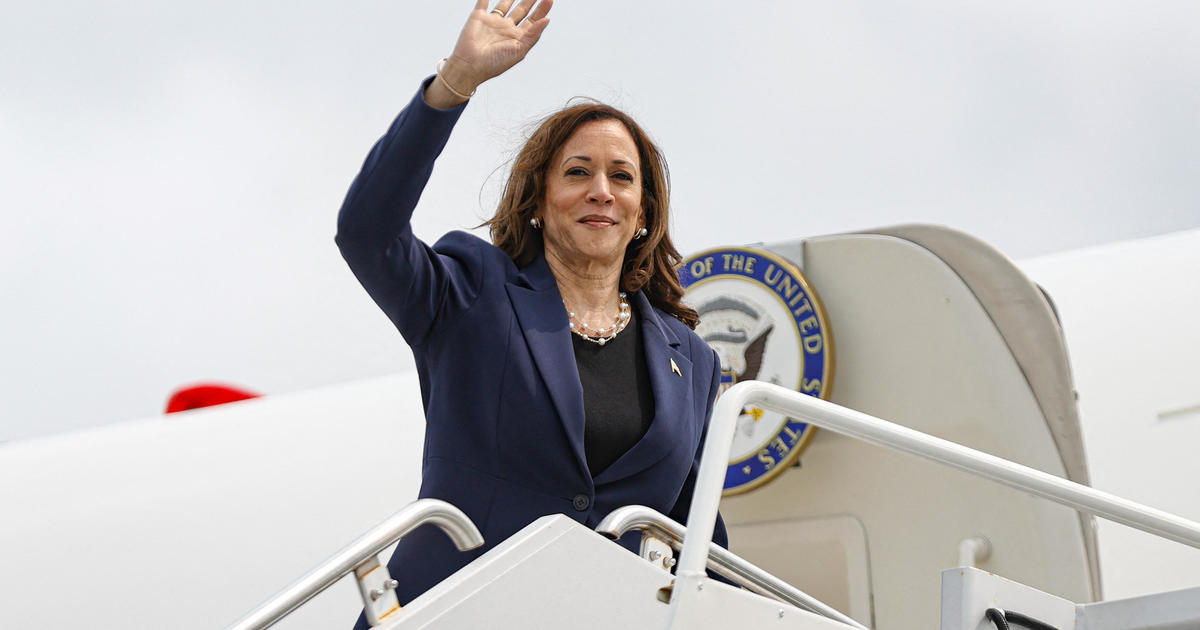
Online rumors about Kamala Harris’s citizenship and race resurface as she becomes likely Democratic nominee.
False claims targeting Vice President Kamala Harris have resurfaced on social media following President Biden’s withdrawal from the 2024 presidential race and his subsequent endorsement of her. These claims, many of which have been circulating for years, focus on aspects of her citizenship status, racial identity, and political achievements.
One of the most prominent false claims that emerged after the endorsement was the narrative that Harris, being born to foreign-born parents, is ineligible to serve in office. This misinformation quickly gained traction on social media platforms, garnering millions of views. However, Harris was born in Oakland, California, to Jamaican and Indian immigrants, and her parents’ immigrant status does not disqualify her from holding the positions of vice president or president.
Similar false claims about Harris’ citizenship were raised in the past, with some individuals citing an op-ed by pro-Trump lawyer John Eastman published in Newsweek in 2020. The op-ed suggested that the Constitution does not grant citizenship to children of individuals born outside the U.S. An editor’s note appended to the opinion clarified Newsweek’s stance, denouncing the spread of “vile Birtherism” directed at Senator Harris.
Another baseless narrative circulating on social media questions Harris’ racial identity, falsely alleging that she is lying about being Black. One such claim involved a photo depicting Harris standing between a man and woman purported to be her parents, falsely asserting that her father is not Black. Harris has vehemently denied these claims, asserting her pride in her Black heritage and emphasizing that such narratives aim to sow hate and division.
Harris’ father has acknowledged his lineage tracing back to an Irish-born slave owner, indicating that the Vice President likely descends from both enslaved individuals and a slave owner. Despite efforts to tarnish her racial authenticity, Harris has consistently reaffirmed her Black identity and dismissed attempts to delegitimize it.
In addition to false claims about her background, manipulated audio and visual clips of Harris have been disseminated online to portray her negatively. These altered materials often take her statements out of context or doctor them to misrepresent her intentions. For instance, a digitally altered video purportedly showing Harris making incoherent statements during a speech at Howard University circulated widely on social media, garnering millions of views on various platforms.
Furthermore, manipulated images, such as one depicting Jeffrey Epstein’s face superimposed on Harris’s husband’s, have been used to falsely associate Harris with the convicted sex offender. These deceptive tactics aim to tarnish Harris’s reputation and credibility through misleading and doctored content.
Even genuine videos of Harris have been taken out of context to perpetuate false narratives. For instance, a video in which Harris introduces herself by stating her name, pronouns, and attire for visually impaired audience members was misinterpreted by some, including Elon Musk, who shared the video with a misleading caption. Such instances highlight the susceptibility of social media content to misinterpretation and manipulation.
Experts in disinformation caution against immediate emotional responses to sensational claims about Harris on social media, advising users to pause and critically evaluate the information they encounter. Outrageous and emotionally charged narratives often serve as clickbait and are instrumental in spreading misinformation. By exercising caution and skepticism, users can combat the proliferation of false claims and ensure that accurate information prevails.