People on social media, who are unwell, say that the shooting at Trump rally was not real.
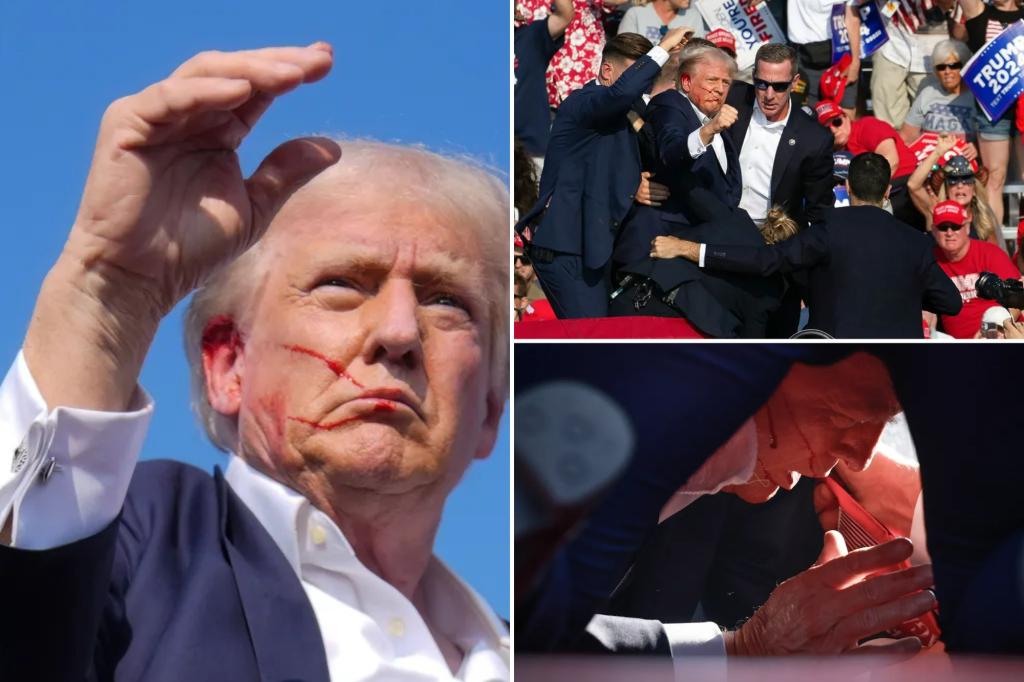
On November 14, 2019, a tragic shooting incident took place during a Trump rally in New Hampshire. The incident left two people injured, drawing attention and concern from people across the country. However, in a disturbing turn of events, sick social media trolls began spreading false claims that the shooting was staged or fake. This outrageous conspiracy theory not only undermines the real suffering and trauma experienced by the victims but also exemplifies the dangerous consequences of misinformation in the digital age.
As news of the shooting spread, numerous videos and posts began circulating on social media platforms like Twitter, Facebook, and YouTube, claiming that the entire incident was a hoax. These trolls baselessly argued that the footage of the shooting was staged with actors, asserting that the event was orchestrated to garner sympathy for President Trump and his supporters. Such baseless and harmful claims not only disrespect the victims and their families but also contribute to a culture of distrust and division.
The spread of misinformation and conspiracy theories on social media is a growing concern in today’s society. With the rise of platforms that prioritize engagement and virality, false information can spread rapidly and reach a wide audience within minutes. In the case of the Trump rally shooting, the irresponsible actions of these trolls not only perpetuated harmful lies but also posed a threat to the real-life safety and well-being of those involved.
It is crucial for social media users to be vigilant and discerning when consuming and sharing information online. While social media can be a powerful tool for communication and connection, it is also a breeding ground for misinformation and harmful content. By critically evaluating the sources and credibility of information before sharing it, individuals can help combat the spread of fake news and conspiracy theories.
Furthermore, platforms like Twitter, Facebook, and YouTube have a responsibility to monitor and regulate the content shared on their sites. By implementing stricter guidelines and algorithms to detect and remove misinformation, these companies can help create a safer online environment for their users. In the case of the Trump rally shooting, prompt action by these platforms to remove false claims and ban malicious accounts is essential to preventing further harm.
It is important to remember that behind every news story and online post, there are real people with real experiences and emotions. The victims of the Trump rally shooting deserve respect and empathy, not exploitation and disbelief. As a society, we must strive to uphold the truth, hold ourselves accountable for the information we consume and share, and support those affected by tragedy with compassion and understanding.
In conclusion, the spread of false claims and conspiracy theories surrounding the Trump rally shooting is a stark reminder of the dangers of misinformation in today’s digital age. By promoting critical thinking, responsible social media use, and accountability for online content, we can work together to combat the spread of fake news and create a more informed and compassionate society.