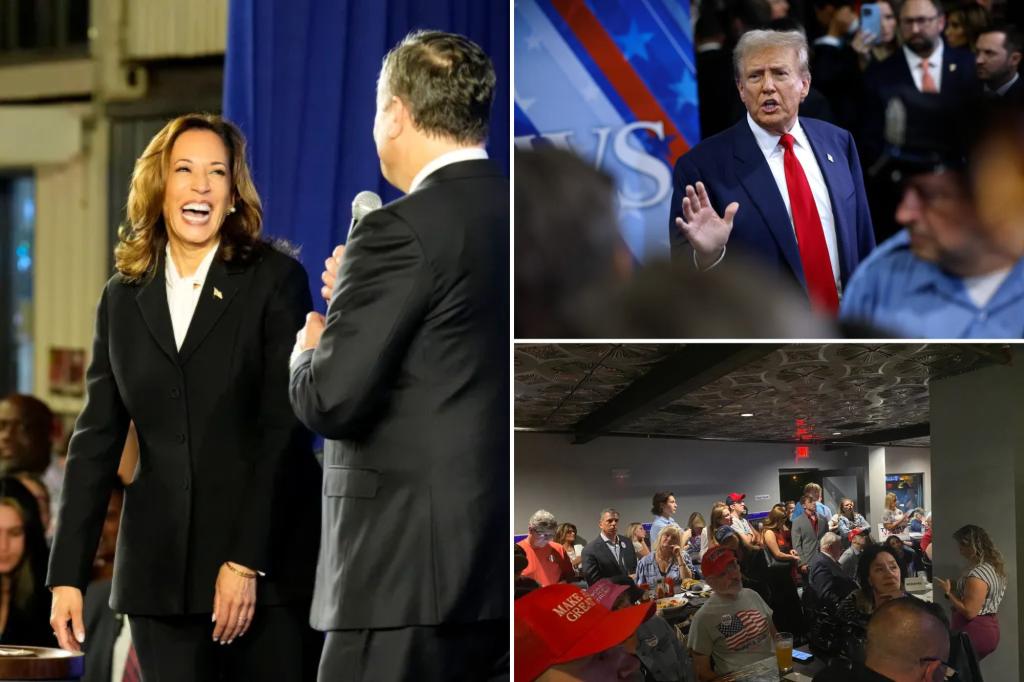
Pittsburgh Republicans say Trump did not win the debate
During the recent presidential debate, there was a notable agreement from Pittsburgh Republicans that Trump lost the debate. This admission is significant, as it shows a shift in perception and acknowledgment of defeat from a group traditionally supportive of the former president. Let’s delve into the details of this revelation and what it means for the political landscape.
Amidst the heated exchange of words and differing ideologies that unfolded during the debate, many observers pointed out Trump’s lackluster performance. His aggressive demeanor, interruptions, and failure to address key issues were highlighted as shortcomings that ultimately contributed to his loss in the eyes of Pittsburgh Republicans.
One particular Republican from Pittsburgh stated, “It was difficult to ignore the fact that Trump appeared unprepared and defensive throughout the debate. His inability to articulate his plans for the future and address concerns raised by the opposing candidate highlighted his vulnerability and ultimately led to his defeat in the debate.”
The admission of Trump’s loss from Pittsburgh Republicans marks a significant departure from their previous unwavering support. It demonstrates a level of critical thinking and evaluation that extends beyond party lines and reflects a growing recognition of the need for accountability and transparency in political discourse.
Furthermore, this acknowledgment signals a potential shift in the political landscape, where blind allegiance is being replaced by a more thoughtful and nuanced approach to evaluating candidates and their performance. By recognizing Trump’s shortcomings in the debate, Pittsburgh Republicans are paving the way for a more constructive and open dialogue within the party.
As we move forward into the upcoming elections and political events, it will be crucial to see how this admission influences the decisions and actions of Pittsburgh Republicans. Will it lead to a reevaluation of their support for Trump and a reexamination of their values and beliefs, or will it be a temporary diversion from the norm? Only time will tell.
Regardless of the outcome, the acknowledgment of Trump’s loss in the debate by Pittsburgh Republicans marks a significant moment in political discourse. It highlights the importance of critical thinking, accountability, and open dialogue in shaping the future of our nation and the role of political parties in driving meaningful change.
In conclusion, the admission of Trump’s debate loss by Pittsburgh Republicans serves as a wake-up call for the party and the broader political landscape. It challenges us to think beyond party lines and blind allegiance and encourages us to hold our leaders accountable for their actions and performance. As we navigate the complexities of modern politics, let us remember the power of critical thinking, constructive dialogue, and the impact they can have on shaping a better future for all.