Political consultant charged with making fake Biden robocall.
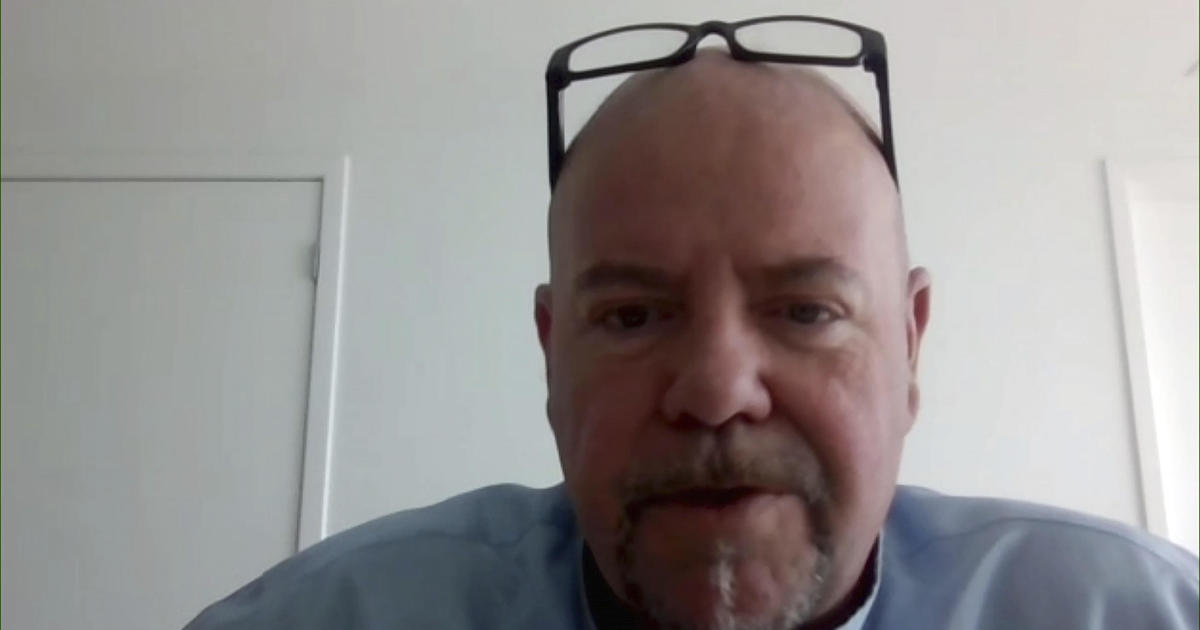
The political consultant at the center of a scandal involving a fake robocall impersonating President Biden in New Hampshire’s Democratic primary earlier this year has been hit with serious charges. Steve Kramer, the mastermind behind the illegal robocall, is facing 26 charges including felony counts of voter suppression, bribery, and impersonation of a candidate in multiple state jurisdictions. Additionally, Kramer has been fined a substantial $6 million by the Federal Communications Commission for his role in the deceptive robocalls.
The fake robocall featured a voice that closely resembled President Biden’s, urging Democratic voters in New Hampshire to withhold their votes during the primary and instead save them for the November general election. The voice manipulatively claimed that voting in the primary would only benefit Republicans and the reelection of Donald Trump, emphasizing the importance of the November election. This incident marked the first instance of “deepfake” technology being used in a U.S. election, raising concerns about the potential misuse of generative AI in the political landscape.
Steve Kramer, in a bid to raise awareness about the implications of artificial intelligence in politics, admitted to orchestrating the robocall. He expressed his desire for federal and state regulations on the use of AI, noting that he spent $500 to create the fake Biden voice which reached around 5,000 recipients. Kramer emphasized that his intention was not personal gain or recognition but to spark a discussion about the need for regulatory frameworks in AI deployment.
Following the exposure of the fraudulent robocall, the Federal Communications Commission swiftly declared AI-generated voices in robocalls illegal with a unanimous ruling in early February. Lingo Telecom, the provider responsible for initiating Kramer’s calls, was separately fined $2 million for violating caller ID authentication rules. The ease and affordability with which such deceptive calls can be created, as evidenced by a New Orleans magician who claimed to have made the call in under 20 minutes for only $1, underscore the urgency for robust regulations against such malicious practices.
New Hampshire Attorney General John Formella, in response to the indictments against Kramer, emphasized the importance of deterring any interference in elections, whether through AI or other means. The swift and stringent legal actions taken against Kramer and the telecom provider serve as a stern warning to potential offenders contemplating similar election meddling tactics.
Notably, Congressman Dean Phillips, who was vying for the Democratic nomination against Mr. Biden and campaigned extensively in New Hampshire, disavowed any involvement with the robocall. While reports surfaced linking Kramer to assisting with ballot access for the Phillips campaign, a spokesperson clarified that Kramer acted independently in creating the deceptive call and that the campaign unequivocally condemns his actions. Congressman Phillips refrained from commenting on the matter following inquiries.
The scandal surrounding the fake robocall in New Hampshire’s Democratic primary serves as a stark reminder of the ethical and legal implications of utilizing AI in political communications. As AI technology continues to evolve, it is imperative for regulatory bodies and policymakers to establish clear guidelines to safeguard the integrity of electoral processes and prevent fraudulent activities that undermine the democratic foundation of elections.