Poll shows voters prefer drinking with Harris over Trump
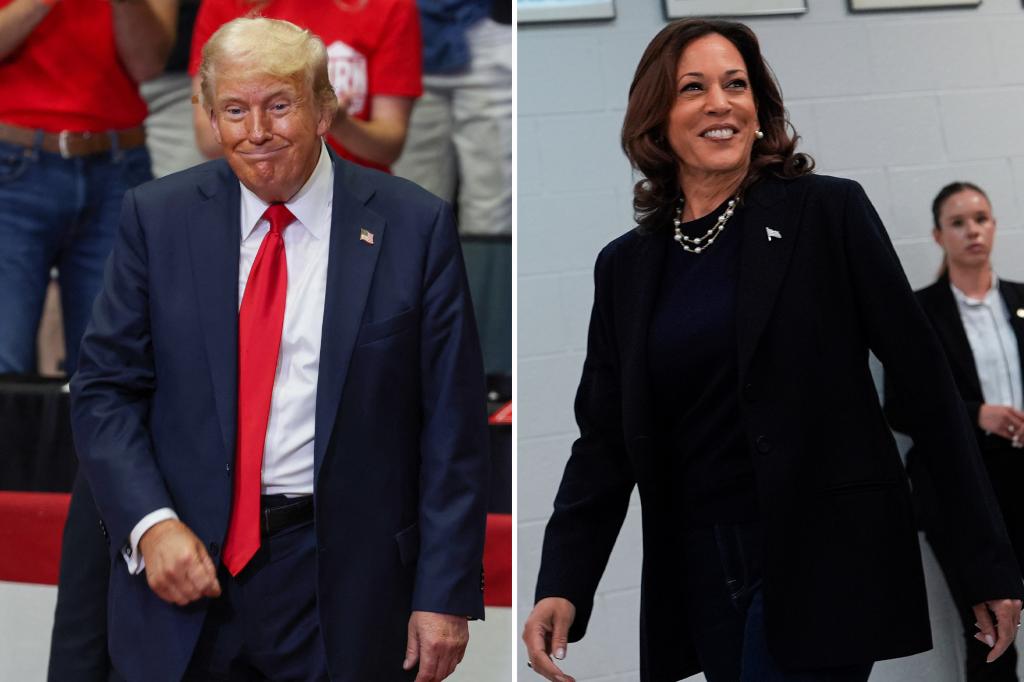
According to a recent survey, it has been found that ‘Blue Wall’ voters would prefer to have a drink with Vice President Kamala Harris rather than former President Donald Trump. The survey, which aimed to gain insight into the preferences and opinions of voters in key swing states, revealed some interesting findings.
The term ‘Blue Wall’ refers to the traditionally Democratic-leaning states in the Midwest that have been crucial in recent presidential elections. These states include Pennsylvania, Michigan, and Wisconsin, among others. The survey targeted voters in these states to gauge their preferences regarding social interactions with political figures.
One of the most striking revelations from the survey was that a majority of ‘Blue Wall’ voters expressed a preference for having a drink with Kamala Harris over Donald Trump. The reasons for this preference varied, with some citing Harris’s approachability and relatability, while others mentioned a desire to engage in meaningful conversations about important issues.
It is important to note that the survey did not delve into specific policy preferences or approval ratings for the two political figures. Instead, it focused on the perceived likability and comfort levels that voters associate with Harris and Trump. The results suggest that Harris’s public persona may be more appealing to ‘Blue Wall’ voters in a social setting.
Experts analyzing the survey results have suggested that this preference for Harris over Trump could have implications for future elections. While social interactions may seem trivial in comparison to policy debates and ideological differences, they can play a significant role in shaping public perception and influencing voter behavior.
Additionally, the survey findings shed light on the importance of likability and relatability in political leadership. In an era where personalities and public image are scrutinized more than ever before, the ability to connect with voters on a personal level can make a substantial difference in electoral outcomes.
As the political landscape continues to evolve and new leaders emerge on the national stage, understanding the nuances of voter preferences and perceptions becomes increasingly crucial. Surveys like this provide valuable insights into the mindset of the electorate, offering a glimpse into the factors that drive voting decisions beyond policy positions and party affiliations.
Ultimately, the survey results serve as a reminder that politics is not just about ideologies and agendas, but also about personalities and relationships. The dynamics of human interaction play a significant role in shaping our perceptions of political figures, influencing how we engage with them on both a personal and political level.
While the survey focused on a specific demographic within the United States, its implications extend far beyond the boundaries of ‘Blue Wall’ states. They speak to the broader trends in contemporary politics, highlighting the complex interplay between personality, perception, and public opinion.
In conclusion, the survey findings offer valuable insights into the social dynamics of contemporary politics, emphasizing the importance of likability and relatability in shaping public opinion. As we look towards future elections and leadership transitions, understanding these dynamics will be crucial in navigating the ever-changing landscape of American politics.