Port workers are on strike and Biden is feeling pressure as the election nears.
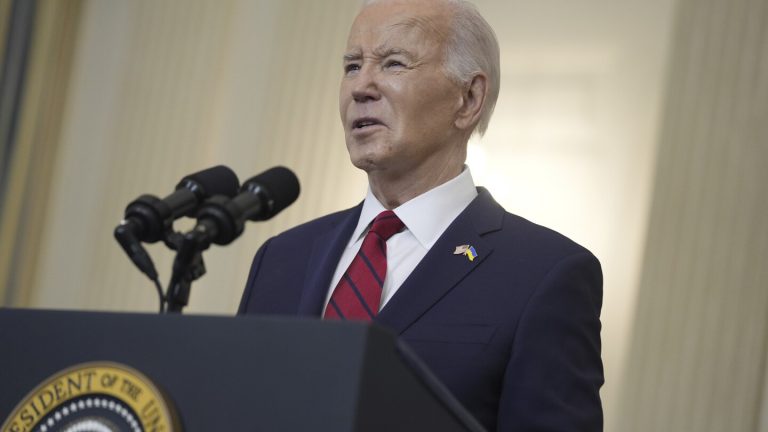
The recent longshoremen’s strike that has affected ports along the U.S. East Coast and Gulf Coast is creating significant challenges for President Joe Biden as the presidential election approaches. Tens of thousands of dockworkers initiated the strike early on Tuesday morning due to a contract dispute with the group representing port employers, causing potential disruptions to the flow of goods such as fruit and auto parts transported by container ships.
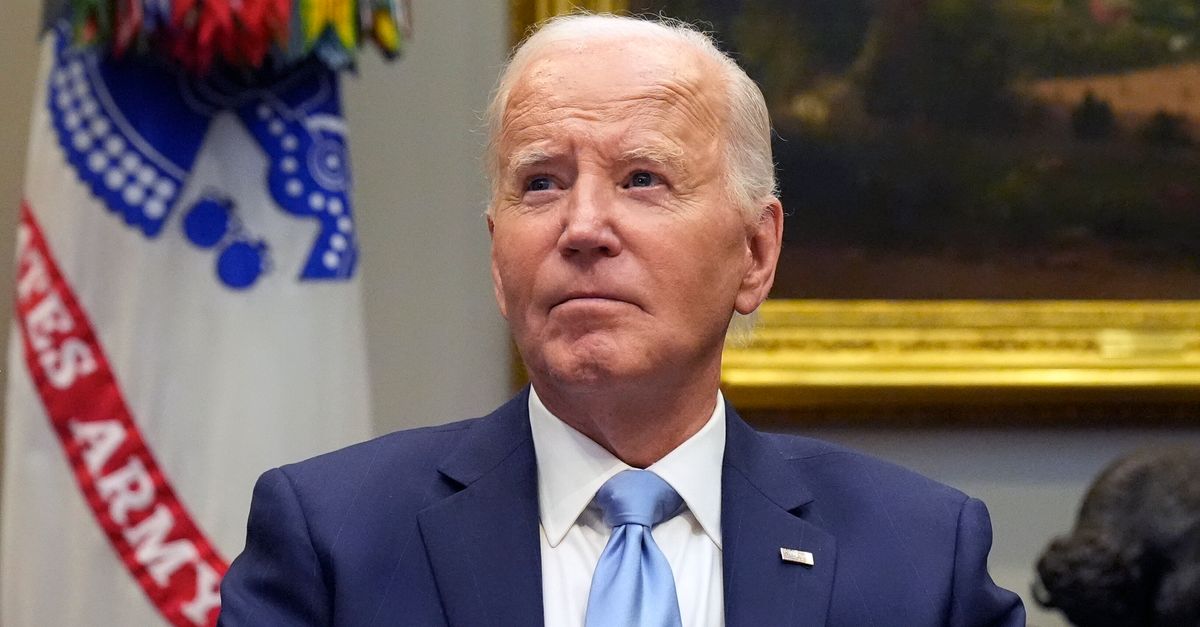
This situation is placing President Biden in a difficult position, torn between his support for workers’ rights and the potential economic consequences that could impact Vice President Kamala Harris and other Democrats in the upcoming election. While Biden aims to empower workers and advocate for strong contracts with fair wages, he also needs to consider the broader economic implications of a prolonged strike.
According to Seth Harris, a former Biden administration official and current professor at Northeastern University, there is a growing pressure on the president to intervene if the strike persists for weeks or even months. However, Biden expressed his reluctance to invoke the Taft-Hartley Act, a law that allows the president to intervene in labor disputes affecting national security, emphasizing his commitment to collective bargaining.
President Biden has voiced his support for the dockworkers, highlighting the significant profits made by ocean carriers during the pandemic and emphasizing the need for fair wage increases for workers who played a crucial role in keeping ports operational during challenging times.
The International Longshoremen’s Association, representing East and Gulf Coast dockworkers, has proposed a $5 per hour raise each year for a six-year contract, aiming to increase hourly wages from $39 to $69 by 2030 and secure protections against automation that could threaten jobs.
While negotiations were reportedly making progress before the strike, the United States Maritime Alliance, representing employers, refrained from commenting on the situation. The potential impact of the strike on various sectors adjacent to the ports, such as transportation and warehousing, underscores the economic risks at stake.
Industry groups and Republican lawmakers have urged the White House to intervene using the Taft-Hartley Act to end the strike, citing potential economic repercussions for businesses reliant on imports. Despite these calls, the Biden administration has focused on facilitating a resolution behind the scenes, with Acting Labor Secretary Julie Su and other officials engaging with both sides to reach a fair agreement.
Amidst the calls for intervention, Biden’s decision to support collective bargaining and avoid direct intervention reflects his stance on empowering private parties to resolve their issues. However, the evolving economic landscape and potential consequences of a prolonged strike may test his resolve in the coming weeks.
As the situation unfolds, President Biden faces a delicate balancing act between supporting workers and safeguarding the broader economy, with the outcome of the strike likely to have significant implications for his administration’s relationship with organized labor and the upcoming election.