Pro-Palestinian group decides not to support Harris, remains undecided on other candidates
The Uncommitted Movement: A Voice for Change
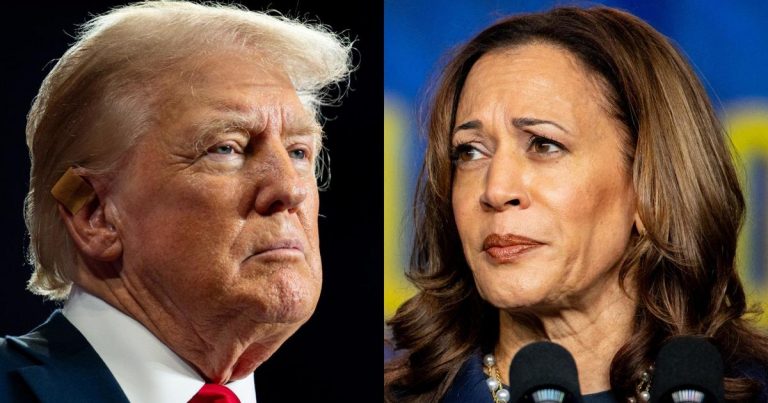
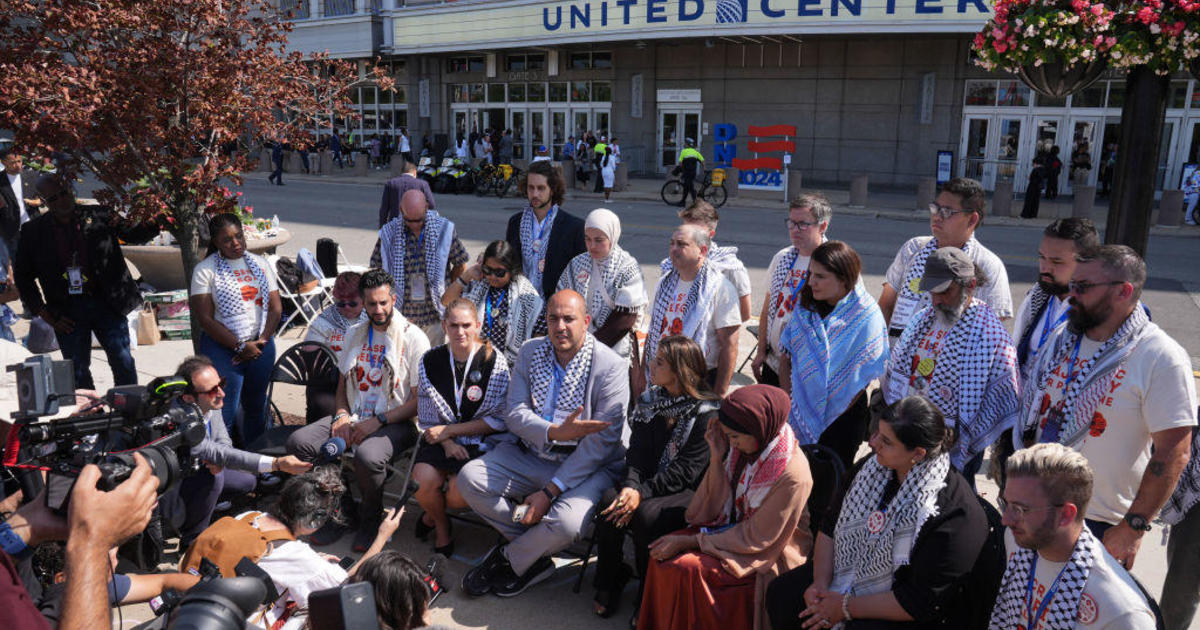
The “uncommitted” movement, comprised of pro-Palestinian and anti-war Democrats, made headlines during the primaries for their protest votes against President Biden. They have now announced their decision to refrain from endorsing Vice President Kamala Harris for the upcoming White House race. Despite this stance, the group has made it clear that they do not advocate for supporters to abstain from voting or to choose third-party candidates.
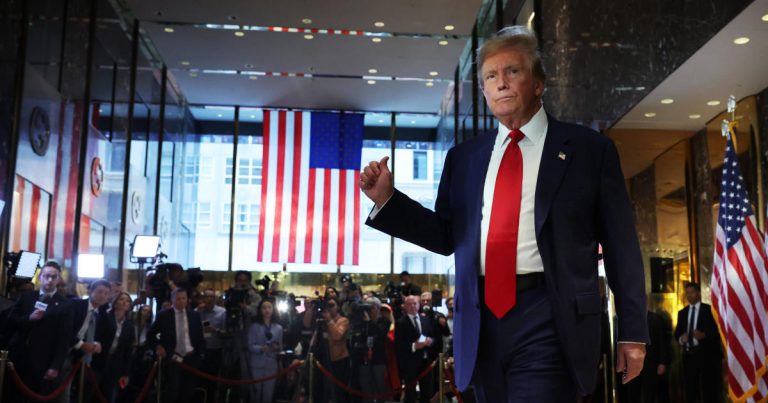
With a strong focus on preventing former President Donald Trump from reclaiming office, the movement emphasized that his agenda poses a threat to their core values. They raised concerns about Trump’s plans to escalate violence in Gaza and suppress anti-war activism, which are issues that resonate deeply with their members.
While the group acknowledges the importance of blocking Trump’s resurgence, they also caution against votes for third-party contenders like Jill Stein of the Green Party. The fear is that such votes could inadvertently contribute to a Trump victory due to the flaws within the current electoral college system. Stein has been actively courting Muslim American voters who hold differing views on Gaza compared to Harris.
One of the central demands of the movement has been for Harris to support an embargo on U.S. weapons being supplied to Israel, a country with a long-standing alliance with the United States. They also called for an immediate and lasting cease-fire in Gaza, a region that has witnessed a devastating loss of life in Israeli military operations since the attacks initiated by Hamas on October 7, 2023.
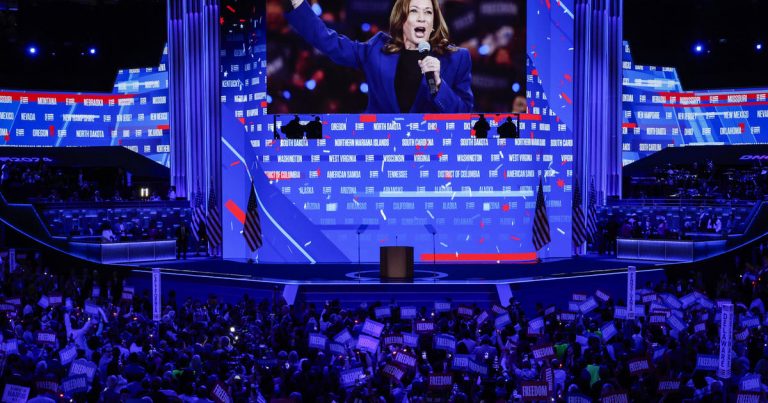
Despite months of advocacy from the uncommitted delegation, which included an overnight sit-in at the Democratic National Convention, their request for a meeting with Vice President Harris was not granted by the specified deadline. The group’s commitment to social justice and their disappointment with the lack of engagement from Harris’s team underscored the challenges they faced in making their voices heard.
In a statement released recently, the uncommitted movement encouraged their supporters to cast “anti-Trump votes” in all electoral races. They expressed frustration over the limited interaction with Harris but clarified that their decision should not be interpreted as a directive to overlook the presidential ballot.
Abbas Alawieh, a delegate from Michigan within the movement, highlighted the diversity of opinions among its leaders regarding the upcoming election. The overarching message remains focused on the imperative of opposing Trump, even if that entails making individual voting choices based on conscience.
Layla Elabed, the sister of Michigan Representative Rashida Tlaib, affirmed her decision not to support Harris. She emphasized the critical nature of the election by stressing the potential consequences of failing to prevent a Trump victory.
During a recent interview with the National Association of Black Journalists, Harris reiterated her commitment to achieving a cease-fire in Gaza while underscoring Israel’s right to self-defense. When questioned about potential changes to U.S. policy on arms sales to Israel, Harris mentioned a temporary pause on certain weapons shipments in May but did not delve into future policy shifts.
In response to the uncommitted movement’s stance, a spokesperson for the Harris campaign reiterated the vice president’s dedication to earning the support of every voter. Campaign manager Julie Chavez Rodriguez engaged with Arab American and Jewish American communities in Michigan in an effort to address concerns and build bridges with diverse constituencies.
The inception of the uncommitted movement in Michigan, a crucial swing state with a sizable Arab-American population, underscores the potential impact they could have on the electoral landscape. The significant number of primary voters in Michigan who opted to remain “uncommitted” surpasses Trump’s victory margin in 2016 and closely aligns with Biden’s narrow win in 2020.
The uncommitted movement continues to assert its influence on the political discourse, promoting accountability and advocating for policies that align with their values. As the nation gears up for a consequential election, their voice serves as a poignant reminder of the power of grassroots activism and the imperative of being engaged citizens.