Pro-Palestinian Movement Gaining Strength as Biden Shifts Towards Support
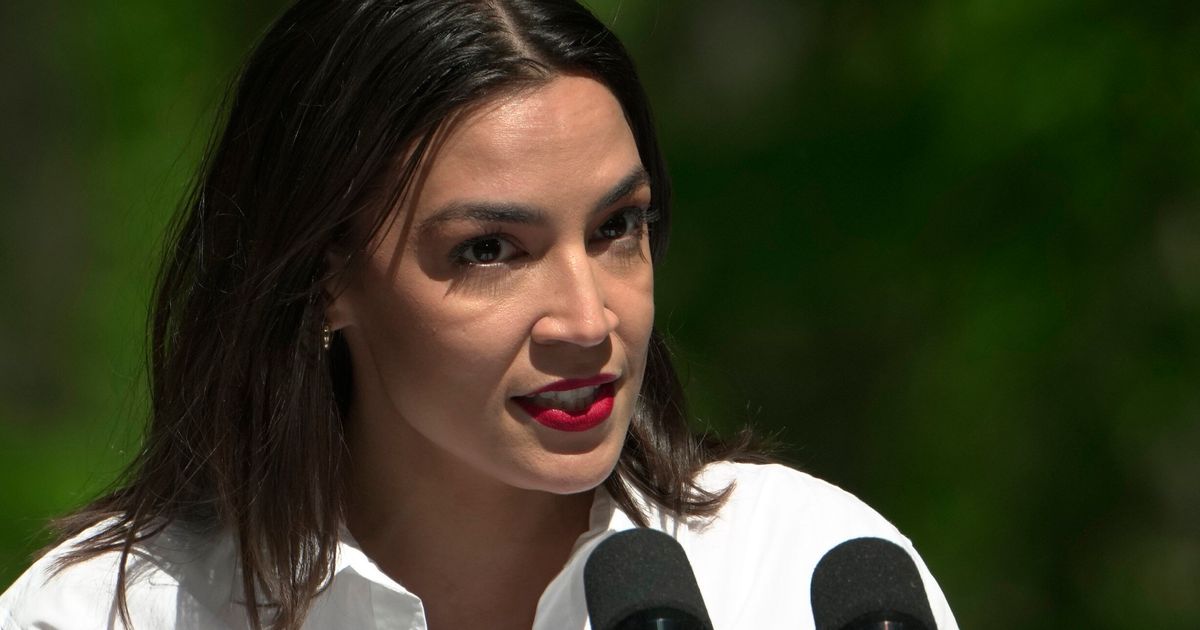
Over the past week, the political landscape regarding the conflict in Gaza has seen significant shifts. Last Friday, a senior political aide to Rep. Alexandria Ocasio-Cortez (D-N.Y.) held a virtual meeting with progressive pro-Palestinian groups to discuss strategy. The discussions were timely, coming on the heels of President Joe Biden’s announcement that his administration had paused an offensive weapons shipment to Israel, with potentially more transfers being withheld if Israel initiated a full-scale invasion of Rafah, a city in southern Gaza where over a million Palestinians are seeking shelter.
The aide from Ocasio-Cortez’s office emphasized the importance of acknowledging Biden’s historic decision and rallied the activists to show support when the president moves in their direction. Many advocates for Palestinian rights, including lawmakers like Sen. Bernie Sanders and Reps. Ilhan Omar and Jamaal Bowman, expressed approval of Biden’s actions. Various organizations, from Arab American groups to liberal pro-Israel associations, also offered qualified credit to the administration for its stance.
However, not all voices were in unison, as some pro-Palestinian groups remained critical of Biden’s actions, pointing to the ongoing suffering of Palestinian civilians and the continued flow of U.S. aid to Israel. This divergence in responses underscores the complexities and challenges inherent in advocating for Palestinian rights amidst escalating violence.
Despite the commendation from some quarters, concerns linger about the ambiguity surrounding Biden’s ultimatum to Israel regarding the situation in Rafah. The White House’s recent notification to Congress about approving additional weapons transfers to Israel further added to these uncertainties, with questions arising about the effectiveness of the administration’s red line in halting the violence.
The State Department’s assessment, indicating potential violations of international law by Israel using U.S.-supplied weapons, was met with a mix of criticism and disappointment, with calls for clearer accountability measures from the administration. The reactions from various groups and politicians reflect both the progress made in pushing for Palestinian rights and the challenges of sustaining meaningful change in U.S. policy towards the conflict.
Amidst these developments, the reluctance of some pro-Palestinian activists to fully embrace Biden’s actions underscores a broader debate within progressive circles about prioritizing human rights in U.S. foreign policy. The concerns about potential backlash from pro-Israel groups and donors complicate the political calculus for Biden’s administration, highlighting the delicate balance between upholding principles and managing political realities.
As the conflict in Gaza continues to unfold, the spotlight remains on the need for a coherent and effective approach from the U.S. government that addresses the root causes of the violence and prioritizes the protection of civilians. The divergent reactions to Biden’s recent decisions underscore the complexities and challenges of advocating for a just resolution to the long-standing Israeli-Palestinian conflict.