Recap: Tim Walz and JD Vance in Vice Presidential Debate – 4 Key Moments from Tuesday’s Debate
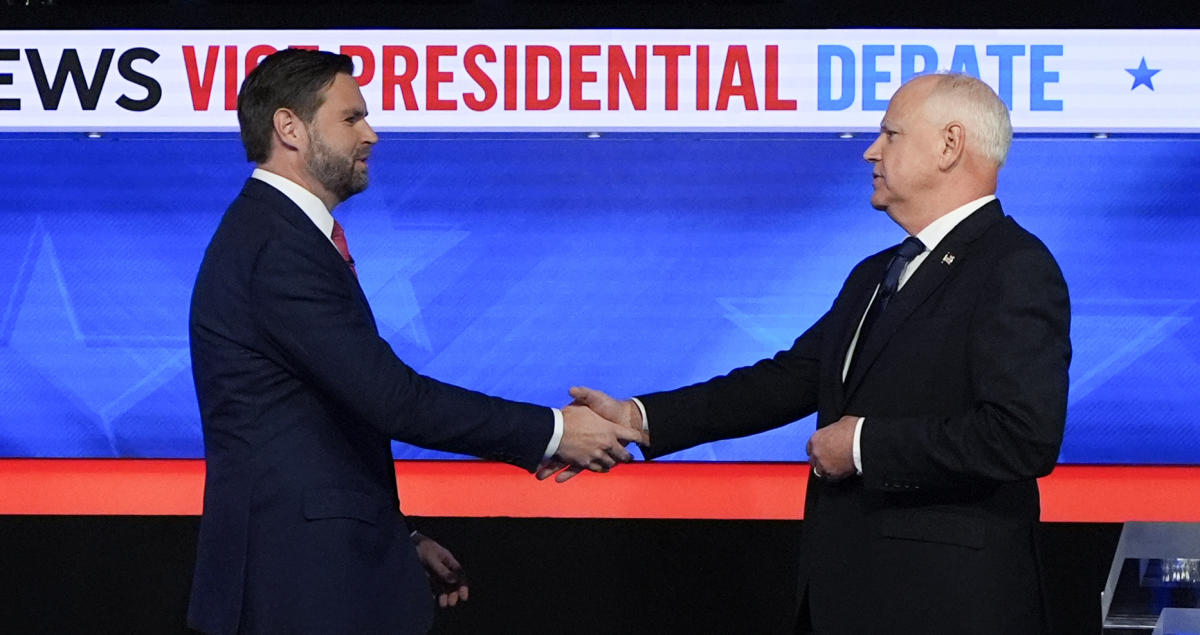
On a momentous Tuesday night, Ohio Sen. JD Vance and Minnesota Gov. Tim Walz took the stage in New York City for what could very well be their final debate of the 2024 campaign cycle. This debate held particular significance since Former President Donald Trump had declined further debates with Vice President Kamala Harris, making this one of the last opportunities for both tickets to engage with a national audience before the impending Election Day, potentially influencing the minds of voters in a significant way.
Here are the key takeaways from the compelling clash between Walz and Vance:
1. A Night of ‘Civility’ Makes a Comeback
The 2024 campaign has been characterized by its peculiarity, with the term “weird” finding a prominent place in the political discourse, thanks in part to Walz’s portrayal of MAGA Republicans like Vance. However, in a surprising turn of events, this debate showcased a level of politeness and civility seldom seen in the highly contentious landscape of U.S. politics, especially during the turbulent years of the Trump administration.
While Vance and Walz did not shy away from debating on critical issues ranging from the Middle East to climate change and affordability to abortion, they refrained from demonizing each other. Instead, both candidates extended a certain level of generosity towards their opponent, showcasing a rare exhibition of mutual respect and understanding.
The moderated exchange saw Vance acknowledging his agreement with Walz on certain points, emphasizing a desire for problem-solving while highlighting his differences with Harris. Conversely, Walz expressed agreement with certain aspects of Vance’s arguments, emphasizing the contrasts with his running mate. This deliberate strategy aimed at humanizing the candidates and showcasing their Midwestern roots appeared to benefit Vance, considering his recent controversies and declining favorability ratings.
While this cordial dynamic could potentially impact the race, the closely tied poll numbers suggest that one night of relative civility may not drastically alter the election trajectory.
2. A Stark Difference on Jan. 6
Amidst the general amiability of the debate, a moment of confrontation arose towards the end when Vance, questioned about his stance on the certification of the 2020 election results, evaded a direct response. This led Walz to highlight the severity of the January 6 events, stressing the critical divergence in views between the candidates on the threat posed to democracy. The exchange underscored the contrasting perceptions regarding one of the most contentious episodes in recent American history.
3. Vance Attempts to Clean Up Trump’s Messaging Missteps
Prior to the debate, Trump’s advisors had outlined a strategy to consistently draw attention to Harris’s tenure as vice president, questioning the efficacy of her leadership in addressing pressing issues. While Trump failed to execute this plan effectively during the preceding presidential debate, Vance adeptly leveraged this narrative during his debate with Walz. Skillfully redirecting the focus towards Harris’s incumbency, Vance sought to hold her accountable for unrealized promises and initiatives.
Throughout the discussion, Vance adeptly balanced acknowledging the merit of Harris’s proposals with questioning the lack of implementation. By emphasizing Harris’s existing position and calling for action based on her authority, Vance aimed to present a more disciplined and strategic debating style compared to his running mate.
4. Too Slick on Abortion?
A defining moment in Vance’s debate performance emerged during a discussion on abortion, where he tactfully shifted the narrative by invoking personal anecdotes and advocating for a holistic pro-family approach. This nuanced approach, drawing on Vance’s personal experiences and advocating for broader socio-economic support, aimed to resonate with a diverse audience, transcending political divides.
However, Walz raised concerns about the authenticity of Vance’s stance, critiquing the perceived slickness of his rhetoric. Walz emphasized Harris’s commitment to strengthening the federal safety net for families and highlighted the necessity of concrete proposals over rhetorical flourishes, challenging Vance’s approach.
In conclusion, the Vance-Walz debate uncovered significant contrasts in style, approach, and substance, offering voters a glimpse into the divergent visions and strategies of the two vice presidential candidates. As the 2024 election draws near, the impact of this debate on the electoral landscape remains uncertain, with the potential to sway undecided voters and shape the final outcome.