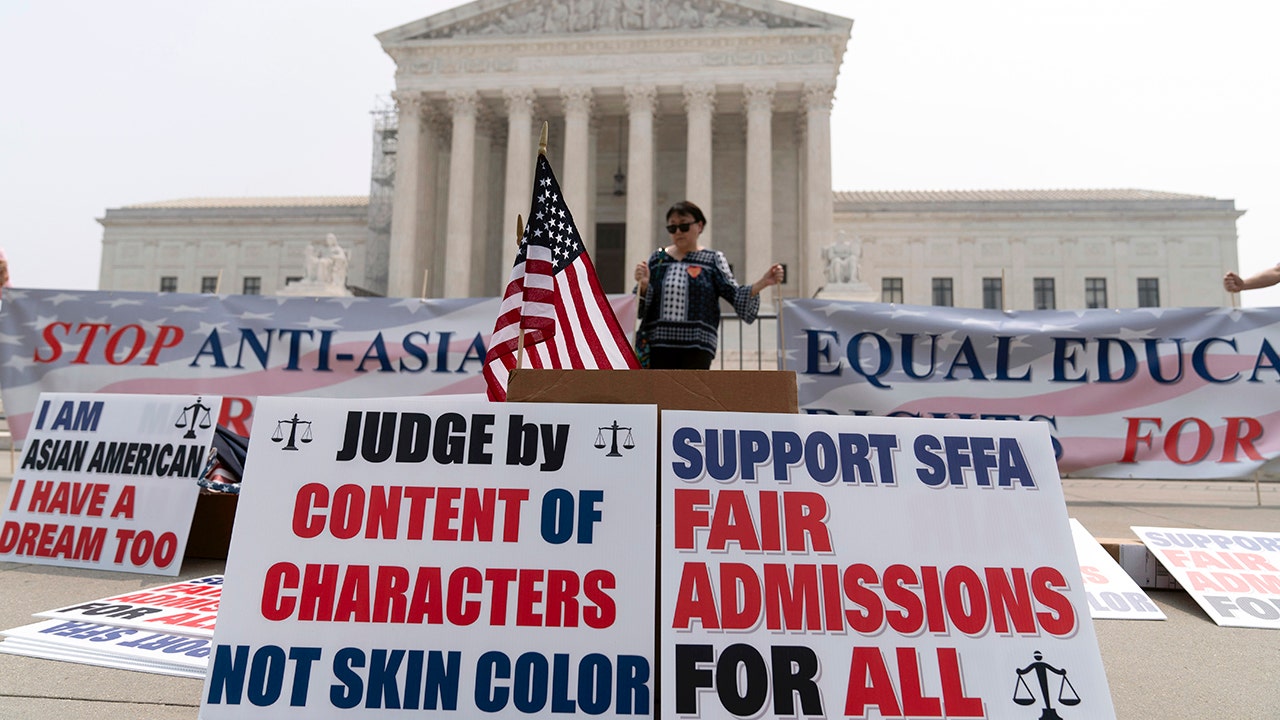
Report shows medical schools are not following Supreme Court ruling on affirmative action.
Medical Schools Skirting Supreme Court Affirmative Action Ruling, Study Finds
An association of medical professionals has raised concerns about medical schools across the country evading the Supreme Court’s ruling that requires admissions programs to eliminate race as a factor in their selection process. Do No Harm, a group of physicians, nurses, and other medical professionals, who are dedicated to maintaining a merit-based approach in medical education, recently released new research revealing that despite the landmark affirmative action case’s decision, many within the healthcare establishment continue to advocate for racial favoritism over race-blind admissions.
The study, titled “Skirting SCOTUS: How medical schools will continue to practice racially conscious admissions,” highlights how admissions programs utilize the concept of ‘holistic admissions’ to prioritize racial diversity rather than academic qualifications. While holistic admissions are meant to take a more comprehensive view of an applicant’s profile, in practice, this often translates into a covert form of affirmative action.
One of the key cases that influenced this debate was Students for Fair Admissions v. Harvard, which prohibits the use of race in college admissions. Despite this legal precedent, many medical schools are exploring ways to bypass this ruling in their selection process and maintain diversity. Several leading medical organizations have expressed their discontent with the Supreme Court’s decision and are actively seeking loopholes to circumvent it.
For instance, the Association of American Medical Colleges (AAMC) released a statement emphasizing the importance of a diverse healthcare workforce and indicated that they would adapt to comply with the ruling while continuing their efforts to promote inclusivity and diversity in medical education. AAMC’s president, David Skorton, reiterated their commitment to diversifying medical school classes and the healthcare workforce, underscoring the benefits of a more inclusive medical community.
Similarly, the American College of Physicians, represented by President Omar Atiq, pledged to advocate for policies that enhance diversity and equity in medicine. Both organizations emphasize the value of considering a candidate’s race and ethnicity alongside other factors like socioeconomic background and geographic location to combat discrimination in admissions.
The study also sheds light on the disparities that emerged when affirmative action policies were in place, particularly affecting Asian applicants. It reveals that during that period, Black applicants with average academic scores were four times more likely to be admitted to medical school compared to academically equivalent Asian candidates. This unequal treatment underscores the need for a fair and merit-based admissions process to ensure that medical schools are selecting the most qualified candidates.
Dr. Goldfarb, a prominent figure in the medical community, voiced concerns about the consequences of continuing racially conscious admissions, warning that institutions could face legal challenges in the future. He emphasized the responsibility of medical schools to prioritize the qualifications and capabilities of their students to deliver the highest standard of care to patients. Any deviation from this principle could undermine the quality of healthcare services and expose organizations to potential lawsuits.
In conclusion, the debate over affirmative action in medical school admissions continues to spark controversy within the healthcare sector. As medical institutions navigate the legal landscape and strive to uphold diversity and equity in their programs, the ultimate goal remains to cultivate a healthcare workforce that is both competent and inclusive, reflecting the diverse needs of patients and communities.