Report: Speaker Johnson says Harris didn’t want to pick Shapiro because he is Jewish.
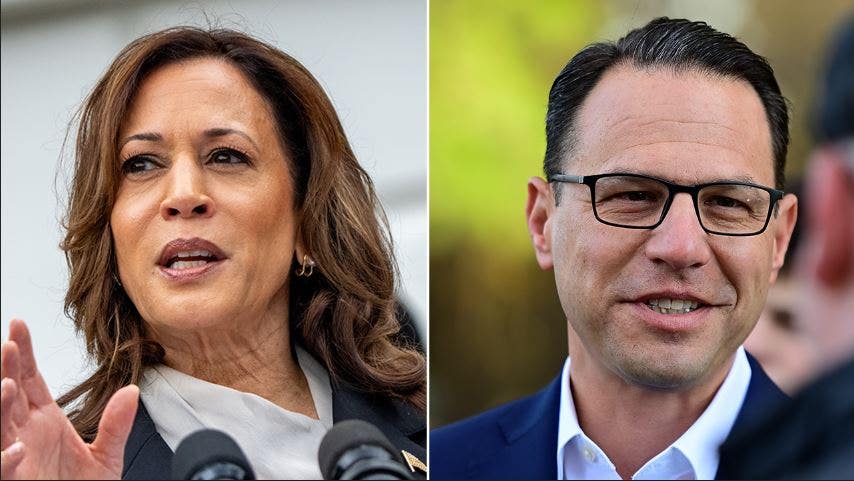
House Speaker Mike Johnson recently expressed his opinion that Pennsylvania Governor Josh Shapiro would have made a “stronger choice” as Vice President Kamala Harris’ running mate. Johnson suggested that Harris may have been hesitant to choose Shapiro due to his Jewish heritage, citing a perceived split within the Democratic Party on issues related to Israel and Palestine.
Johnson elaborated on his belief, stating that Harris may have overlooked Shapiro because of his Jewish background, which he believes was a significant factor in her decision-making process. Despite Shapiro being frequently mentioned as a potential candidate for the vice presidential role, Harris ultimately selected Minnesota Governor Tim Walz as her running mate.
During their first joint rally in Philadelphia, Shapiro introduced Harris and Walz, showcasing unity within the Democratic Party despite the speculated reasons behind Shapiro’s exclusion from the ticket. Johnson refrained from labeling Harris’ decision as antisemitic, emphasizing that he believes her choice was heavily influenced by political considerations.
Shapiro has faced criticism from progressive groups for his stance on the conflict in Gaza and has received higher unfavorable ratings from Gen Z voters compared to other potential candidates. In a recent NPR/PBS News/Marist Poll, Shapiro’s unfavorable ratings were significantly higher than those of Arizona Senator Mark Kelly and Governor Walz.
While Shapiro has expressed pro-Israel views, including support for the country during its confrontation with Hamas, he has also been critical of Israeli Prime Minister Benjamin Netanyahu. Shapiro has previously referred to Netanyahu as “one of the worst leaders of all time,” illustrating his nuanced approach to the complex issues surrounding the Middle East.
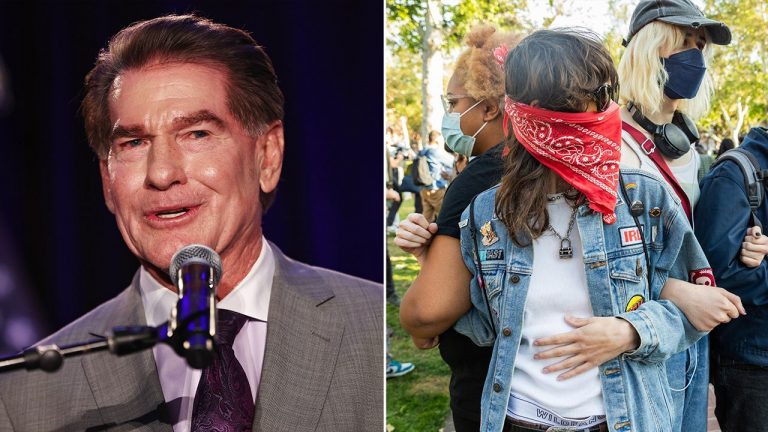
Rep. Ritchie Torres of New York highlighted the hypocrisy of anti-Israel protesters who protested against the Biden administration’s policies towards Israel while simultaneously expressing opposition to Shapiro’s potential selection as Harris’ running mate. Torres condemned the antisemitic undertones present in the rejection of Shapiro solely based on his Jewish heritage.
Despite the controversy surrounding Shapiro’s exclusion from Harris’ vice presidential considerations, the Democratic Party has rallied behind Harris and Walz as their chosen ticket for the upcoming election. The decision to nominate Walz alongside Harris has sparked debate and reflection within the party, prompting discussions on diversity, representation, and political considerations in candidate selection.
As the campaign progresses, the Democratic Party must navigate the delicate balance between ideological alignment, demographic representation, and political pragmatism to appeal to a broad base of voters. The exclusion of Shapiro and the selection of Walz serve as poignant reminders of the complexities and nuances involved in crafting a successful electoral strategy.
Ultimately, Harris’ decision to choose Walz over Shapiro has ignited conversations about identity, policy positions, and the future direction of the Democratic Party. As the election season unfolds, the implications of this decision will continue to reverberate throughout political discourse, shaping the narrative of the campaign and influencing voter perceptions.