Republican Party strengthens Michigan campaign as Democrats lose advantage in Senate incumbent race.
Republicans are gearing up for a fierce battle for the open Senate seat in Michigan. With the departure of Sen. Debbie Stabenow, D-Mich., Democrats are facing the loss of their incumbency advantage, creating an opportunity for the GOP to flip the long-held Democratic seat.
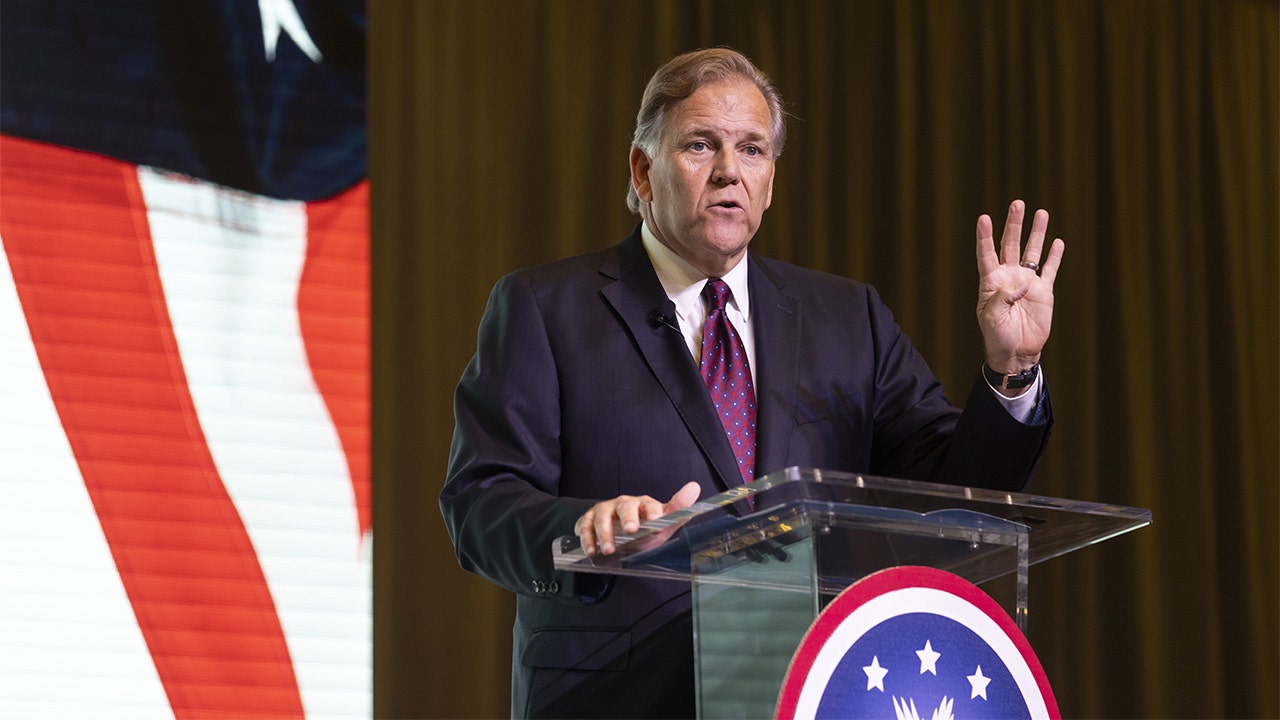
The National Republican Senatorial Committee (NRSC) has made an early move by announcing a significant investment in a new field program in the battleground state. This seven-figure expenditure aims to boost GOP frontrunner, former Rep. Mike Rogers, months before the state’s official primary election. Despite facing competition from wealthy businessman Sandy Pensler and former Rep. Justin Amash, Rogers, who is endorsed by former President Trump, is expected to emerge victorious in the Aug. 6 primary.
The NRSC’s investment includes ground-level infrastructure targeted at increasing Republican voter turnout and engaging individuals who are yet to finalize their plans for the November election. NRSC spokesperson Maggie Abboud expressed confidence in Rogers’ ability to secure the seat, stating, “The Michigan Senate race is one of our top pickup opportunities in 2024. This investment is a direct reflection of our confidence in Mike Rogers’ ability to flip this seat in November.”
Rogers’ campaign spokesperson, Chris Gustafson, also emphasized the significance of this investment, highlighting the partnership with the Trump campaign and other Republicans in expanding outreach and conveying Rogers’ message through a data-driven approach. The goal is to defeat the Biden-Slotkin agenda and turn Michigan red in November.
With Stabenow’s retirement, Republicans have a chance to challenge a Democratic frontrunner without the advantages of an incumbent. Rep. Elissa Slotkin, D-Mich., is expected to secure the Democratic nomination, but she faces competition from actor Hill Harper in the primary. The non-partisan Cook Political Report rates the Michigan Senate race as “Lean Democratic,” indicating a competitive contest similar to other battleground states like Pennsylvania, Arizona, and Wisconsin.
Responding to the NRSC’s investment, DSCC spokesperson Maeve Coyle criticized the Republican primary as damaging to their eventual nominee and highlighted alleged controversial aspects of Rogers’ candidacy. Coyle pointed out issues such as Rogers’ support for a national abortion ban, ties to Chinese businesses, and living in Florida instead of Michigan.
As the battle for the Michigan Senate seat intensifies, both parties are gearing up for a high-stakes contest that could have significant implications for the Senate majority. Stay tuned as the race unfolds and candidates make their case to the voters of Michigan.