Secret Service finds mistakes before Trump assassination attempt
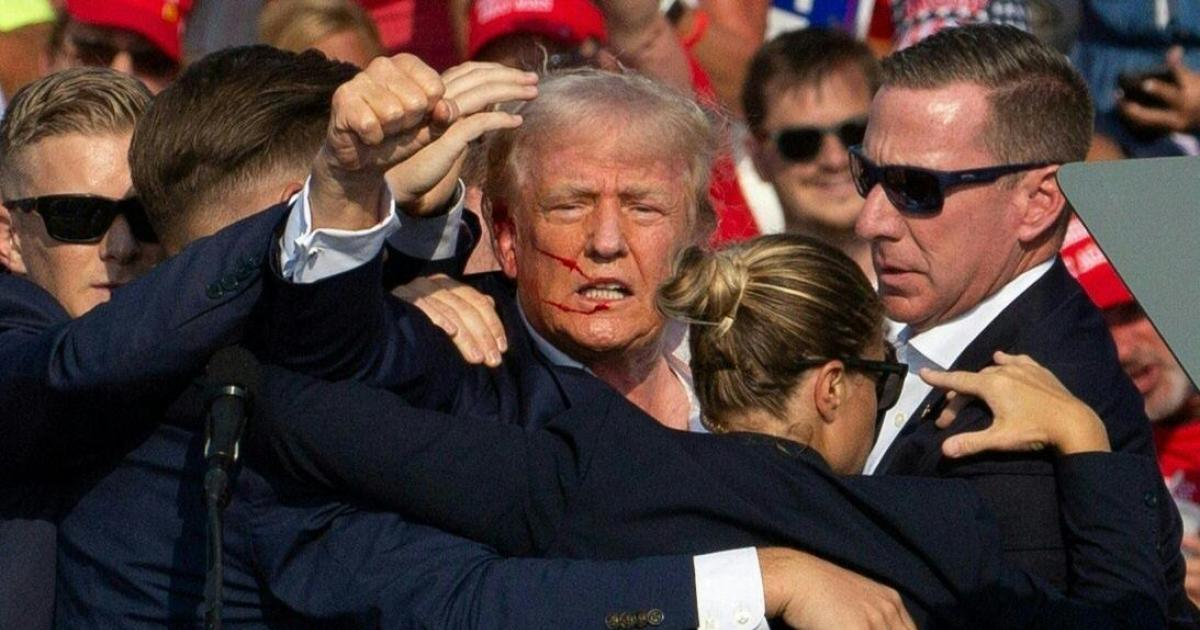
The recent Secret Service assessment following the attempted assassination of former President Donald Trump on July 13 revealed significant failures in communication and due diligence. The findings detailed multiple issues with law enforcement at the campaign rally site in Butler, Pennsylvania, and a lack of thoroughness in Secret Service operations.
Acting Secret Service Director Ronald Rowe emphasized the need for a paradigm shift in protective operations to adapt to evolving threat levels. He highlighted the importance of a holistic approach in agency operations.
Rowe described the sequence of events leading up to the shooting where gunman Thomas Matthew Crooks opened fire, injuring Trump and two others, and killing an attendee. The lack of relayed information about the individual on the building’s roof where Crooks was positioned highlighted critical communication breakdowns.
Responding to concerns raised during the investigation, Rowe admitted to deficiencies in advance planning and implementation by Secret Service employees, hinting at accountability measures within the agency.
Following the assassination attempt, the Secret Service’s response drew public criticism and led to the resignation of the then-director Kimberly Cheatle. As investigations continue, a bipartisan congressional task force and the FBI are delving into the incident for further insights.
The Secret Service’s subsequent report summary underscored the communication gaps with state and local law enforcement partners assisting at the rally. Issues related to sniper team positioning and knowledge gaps about law enforcement personnel at the rally site were highlighted.
The failure to broadcast crucial information about the suspect prior to the attack hindered collective awareness among Secret Service personnel, stressing the need for improved communication protocols.
In a startling parallel, a second apparent assassination attempt on Trump occurred when Ryan Wesley Routh was arrested near the former president’s Florida golf course with a high-powered rifle. The swift action taken by a Secret Service agent averted the threat and underscored the efficiency of the protective procedures.
In response to the escalating security concerns, the House unanimously passed a measure to enhance Secret Service protection for major presidential and vice-presidential candidates to align with the incumbent president. The Secret Service, already implementing heightened protection levels post-July 13, is engaged in discussions for potential funding boosts to meet resource demands.
Rowe affirmed Trump’s Secret Service protection at the highest levels, emphasizing the agency’s commitment to maximizing its resources efficiently in the face of growing security challenges.
The Biden administration’s recent request to increase Secret Service funding highlights the urgency of bolstering security measures in the wake of recent incidents. As the investigations and reforms unfold, the Secret Service is poised to adapt to the evolving threat landscape with renewed vigor and preparedness.