Senate to vote on IVF package as Democrats try to pressure Republicans following Trump’s remarks
Welcome to the latest political news from Washington, where the Senate is gearing up for a critical vote on legislation that aims to protect access to In Vitro Fertilization (IVF). The bill, known as the Right to IVF Act, focuses on ensuring individuals’ rights to receive and provide IVF services, with an emphasis on making these treatments more financially accessible. This initiative has gained traction among Democrats, who are using it to shed light on the Republican stance on IVF, especially in light of former President Donald Trump’s recent endorsement of fertility treatments.
In a bold move, Democratic Senator Tammy Duckworth from Illinois, who spearheaded the bill, challenged Republicans to support the legislation. She pointed out that Trump’s vocal support for IVF has the potential to sway GOP members to vote in favor of the bill, emphasizing the influence the former president still holds within his party.
The national conversation around IVF was sparked earlier this year when the Alabama Supreme Court ruled that embryos should be considered children under state law. This decision led to a temporary halt in fertility treatments in the state, raising concerns about access to IVF services across Alabama and beyond. In response, many Republicans, including Trump, have expressed their backing for IVF treatments, underscoring the importance of this issue in the current political landscape.
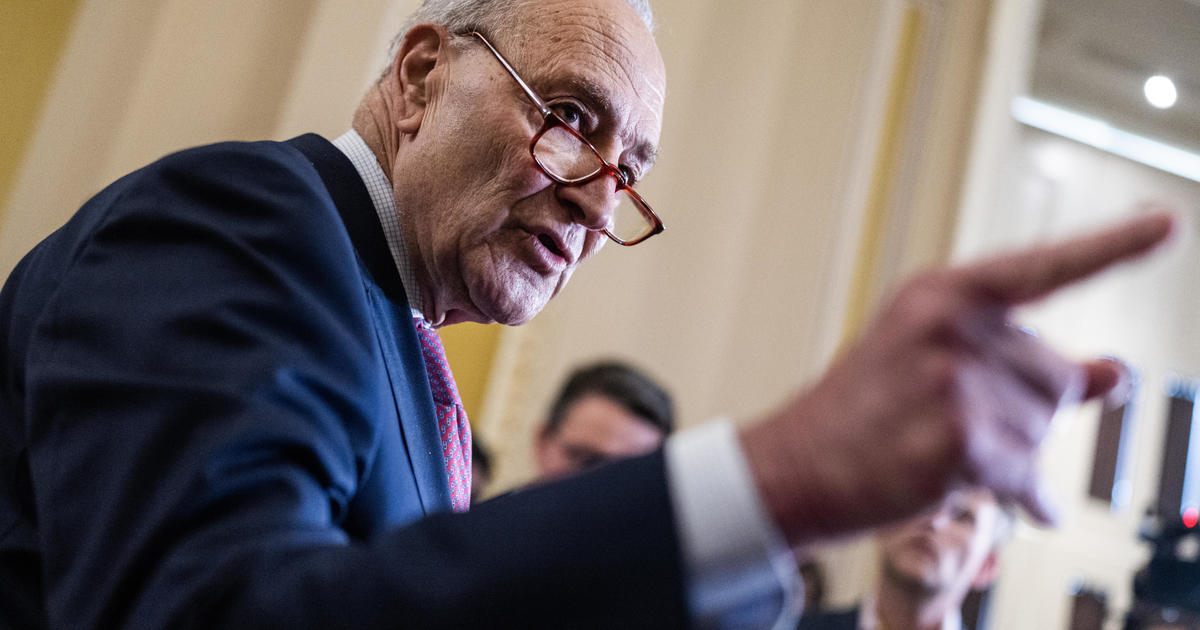
Democrats have connected the debate over IVF to broader reproductive rights, citing the 2022 decision that overturned Roe v. Wade as a catalyst for potential restrictions on various medical procedures. Senate Majority Leader Chuck Schumer cautioned that IVF could be the next target for conservative lawmakers seeking to limit reproductive freedoms, urging his colleagues to revisit the bill in light of Trump’s recent endorsements.
Despite Republican support for IVF, disagreements persist over the scope and enforcement of the Democratic legislation. Earlier attempts by GOP senators to introduce their own bill to safeguard IVF access were met with skepticism by Democrats, who questioned its provisions regarding Medicaid funding and enforcement mechanisms. This impasse has hindered bipartisan cooperation on the issue, setting the stage for another contentious Senate vote on the IVF bill.
Trump, who has faced mounting pressure on reproductive rights issues, finds himself in a contentious position regarding IVF and abortion. While he has championed his judicial appointments that led to the Roe v. Wade reversal, he has also voiced support for state-level decisions on abortion. His recent advocacy for expanded access to IVF has drawn criticism from conservative factions opposed to the practice, further complicating the political landscape surrounding fertility treatments.
As the Senate prepares for a crucial vote on the Right to IVF Act, the outcome remains uncertain. Both Democrats and Republicans are entrenched in their positions on the legislation, underscoring the complex interplay between reproductive rights, healthcare access, and political ideologies in contemporary America.