Senator suggests buying Canada instead of spending on relief bill
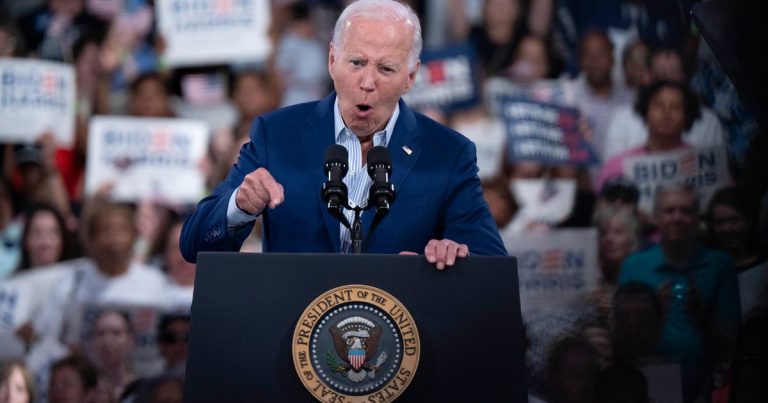
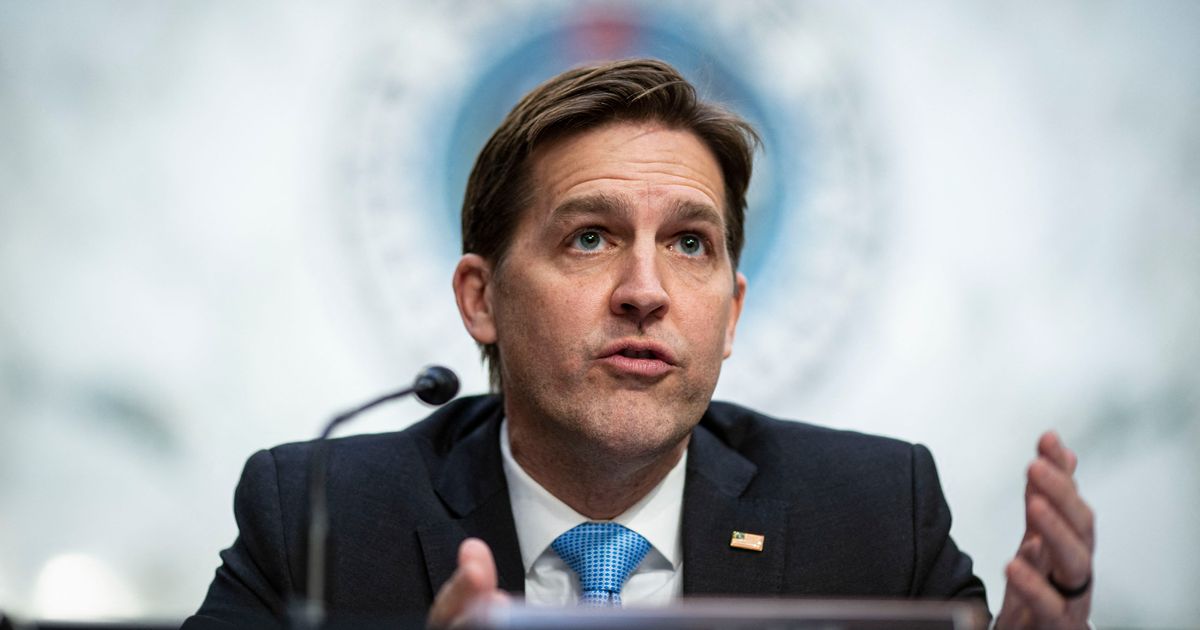
Sen. Ben Sasse, a Republican senator from Nebraska, made a striking comparison over the weekend regarding President Joe Biden’s $1.9 trillion USD relief bill. Sasse highlighted that the cost of this bill exceeds the entire annual economy of Canada, bringing attention to the massive scale of the proposed spending.
The U.S. Senate recently approved the COVID-19 relief bill with a narrow 50-49 vote along party lines. Titled the American Rescue Plan, the bill includes provisions for a new round of $1,400 USD stimulus checks for individuals earning less than $75,000 annually, as well as extended federal unemployment benefits.
In a statement on Saturday, Sasse criticized the Democrats’ $1.9 trillion proposal, characterizing it as a platform for excessive spending under the guise of addressing the pandemic. He expressed concern over the lack of emphasis on vaccine-related efforts within the bill.
Furthermore, Sasse raised alarm about the inclusion of what he deemed as unnecessary expenditures in the relief package. He described the bill as a means for senators to sneak unrelated items, such as funding for random projects and programs, into the legislation. The senator likened the bill to a vehicle for “midnight spending,” encapsulating a sentiment of reckless allocation of funds.
The staggering price tag of the relief bill prompted Sasse to humorously suggest that the U.S. should have “just bought Canada too” to put the expenditure into perspective. This illustration showcases the enormity of the proposed spending in the bill, emphasizing the need for responsible financial decisions.
As the relief bill progresses through Congress, Prime Minister Justin Trudeau faces pressure to negotiate exemptions for Canada from the protectionist measures outlined in the legislation. These measures aim to prioritize U.S. companies for contracts related to the relief bill, potentially impacting Canadian businesses.
A statement from Sasse’s office further highlighted concerns about additional funding being allocated in the bill, pointing out the existence of billions of unspent dollars from previous COVID relief packages. This revelation adds a layer of scrutiny to the current proposed spending and calls for a reevaluation of the necessity of certain provisions.
With the relief bill now awaiting a final vote in the House of Representatives, the focus shifts to the upcoming decision that will determine the fate of this monumental piece of legislation. The implications of this bill extend beyond immediate relief efforts, signaling a pivotal moment in the country’s approach to economic recovery amidst the ongoing pandemic.
The discourse surrounding the relief bill underscores the importance of transparency, accountability, and fiscal responsibility in shaping the nation’s response to the challenges posed by the COVID-19 crisis. As lawmakers navigate the complexities of this legislation, the eyes of the nation are fixed on the decisions that will impact millions of Americans and shape the trajectory of recovery in the months to come.