Supreme Court denies Biden’s request to bring back student debt relief plan
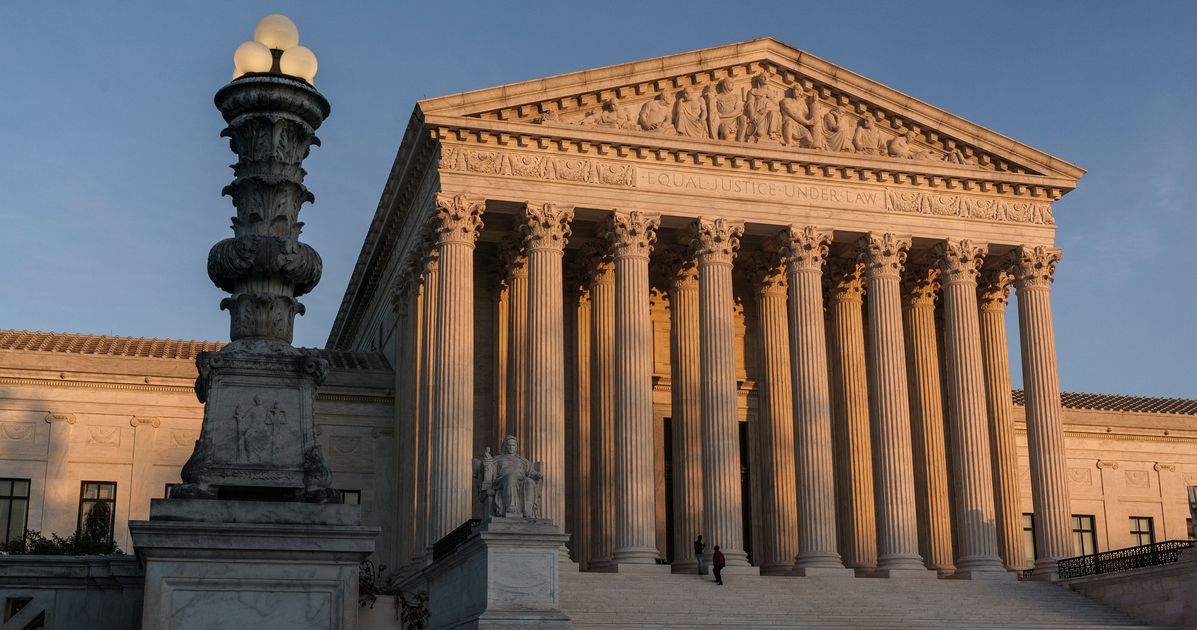
WASHINGTON (AP) — The Supreme Court recently made a decision to put a hold on the Biden administration’s latest multibillion-dollar plan aimed at reducing payments for millions of borrowers. The plan would have lowered monthly repayments and provided a faster path to loan cancellation for borrowers across the country.
The justices rejected the administration’s request to put most of the plan back into effect, following a ruling by the 8th U.S. Circuit Court of Appeals that blocked the implementation of the plan. In an unsigned order, the court expressed its expectation for the appeals court to issue a comprehensive decision on the plan in a timely manner.
The Education Department’s proposed plan includes lowering monthly income-based repayments from 10% to 5% of a borrower’s discretionary income. Additionally, the plan would eliminate the requirement for borrowers to make payments if they earn less than 225% of the federal poverty line, which is currently $32,800 a year for a single person.
This decision comes after the Supreme Court’s conservative majority rejected a previous plan that aimed to erase over $400 billion in student loan debt. The current plan, known as the SAVE plan, has faced two separate legal challenges in federal courts, with judges in Kansas and Missouri issuing orders to block significant portions of the plan in June. Despite these challenges, debt that had already been forgiven under the plan remained unaffected.
While the 10th U.S. Circuit Court of Appeals allowed the Education Department to move forward with certain provisions of the plan, the 8th Circuit’s ruling blocked the entire plan, prompting the states to request intervention from the Supreme Court. However, the justices noted that with the 8th Circuit’s decision, there was no longer a need for the Supreme Court to intervene.
The Justice Department had proposed that the Supreme Court consider taking up the legal battle over the new plan, similar to their review of the earlier debt forgiveness plan. However, the justices opted not to proceed with this course of action at this time.
In conclusion, the future of the Biden administration’s plan to provide relief to student loan borrowers remains uncertain as it navigates the complexities of legal challenges in the lower courts. The impact of these decisions on millions of borrowers across the nation is significant, highlighting the ongoing debate surrounding student loan debt and repayment options.