The Truth About Kamala Harris and Immigration
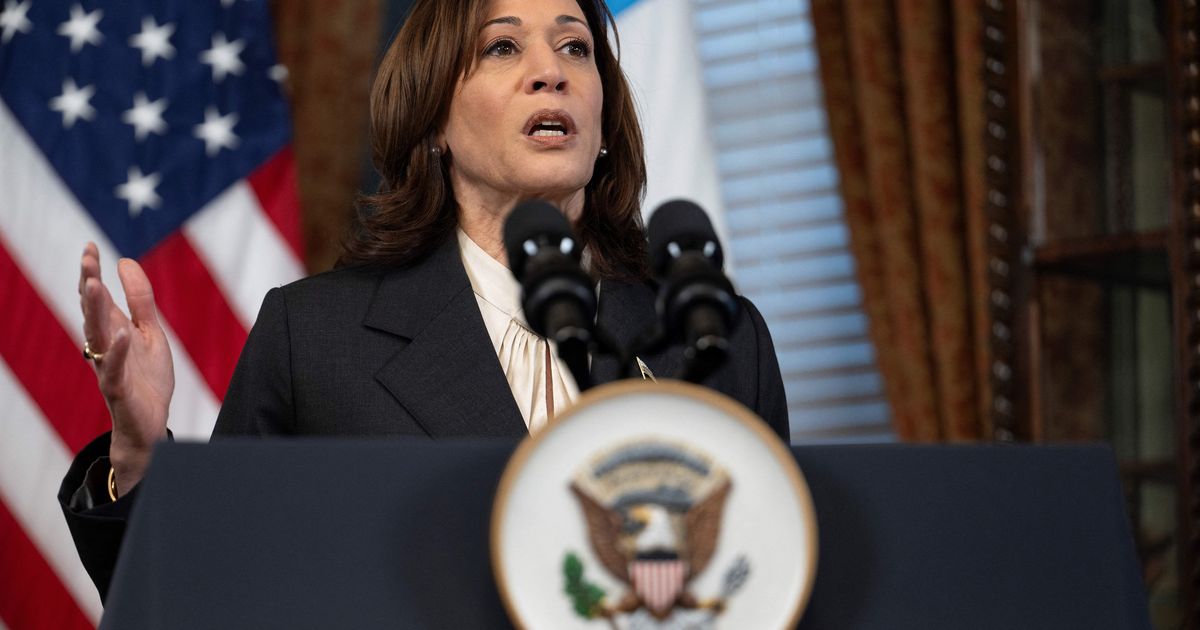
The scrutiny surrounding Vice President Kamala Harris’ role as the administration’s point person on immigration policy has long been a topic of discussion. Since the spring of 2021, when President Joe Biden tasked Harris with leading initiatives to address the surge of migration at the Southern border, her reputation has been criticized by Republican lawmakers and a significant portion of voters.
A late July YouGov poll revealed that only 30% of voters trusted Harris over Donald Trump when it came to immigration. The Republican Party has been relentless in its attacks on Harris, attributing the current border situation to what they deem as her extreme immigration policies. Former President Trump even accused her of overseeing the “largest invasion in history” at the border. However, a closer examination of Harris’ actual responsibilities paints a different picture.
Contrary to the title of “border czar” that has been wrongly associated with Harris, her role has been focused on addressing the root causes of migration from countries like El Salvador, Guatemala, and Honduras. Her mission is to collaborate with foreign governments, businesses, and local organizations to tackle the underlying issues that drive people to seek refuge in the U.S. While Harris cannot evade questions about the administration’s immigration policies, it is essential to understand the context in which she operates.
To grasp the complexity of the immigration challenges facing the Biden administration, it is necessary to look back to the surge of migrants at the Southern border during Obama’s presidency. Biden was then tasked with addressing the root causes prompting individuals from the Northern Triangle countries to seek asylum in the U.S. High rates of gang violence, lack of economic opportunities, and government corruption were identified as key factors contributing to the mass exodus.
Biden’s 2021 initiatives to address these issues were interrupted by the unexpected rise in migration flows, exacerbated by policy changes during the Trump administration and the impact of the COVID-19 pandemic. While Harris has been at the forefront of engaging with regional leaders and advocating for solutions to stem the flow of migrants, her efforts have been met with mixed reviews.
Advocates and analysts have differing opinions on the efficacy of Harris’ root causes strategy. Some argue that it is a long-term approach that requires sustained commitment and collaboration across multiple sectors. Others remain skeptical about the impact of corporate investments and the ability to address deep-rooted issues like corruption and inequality in the region.
Despite the challenges Harris faces in addressing immigration, her focus on gender-based violence, support for reform-minded leaders in Central America, and efforts to establish safe mobility centers have been acknowledged by experts. The complexity of the issue demands a multifaceted approach that balances border security with humanitarian considerations.
Looking ahead, the outcome of the 2024 election will significantly influence the trajectory of U.S. immigration policy. A Trump presidency would likely prioritize stringent border enforcement and mass deportations, while a Harris administration would advocate for legislative reforms aimed at enhancing border security and facilitating legal pathways for migrants. The path forward will require navigating political obstacles and finding a middle ground that addresses the diverse needs of migrants and the challenges of enforcement.
As Harris continues to grapple with the complexities of immigration policy, her approach is poised to shape the future of U.S. border management and migrant protection. The intricacies of the issue demand a nuanced strategy that balances security concerns with humanitarian imperatives. By addressing root causes and engaging with regional partners, Harris embodies a vision of comprehensive and sustainable immigration policy that seeks to address the underlying drivers of migration.