Trump and Biden’s opinions on immigration at the US-Mexico border
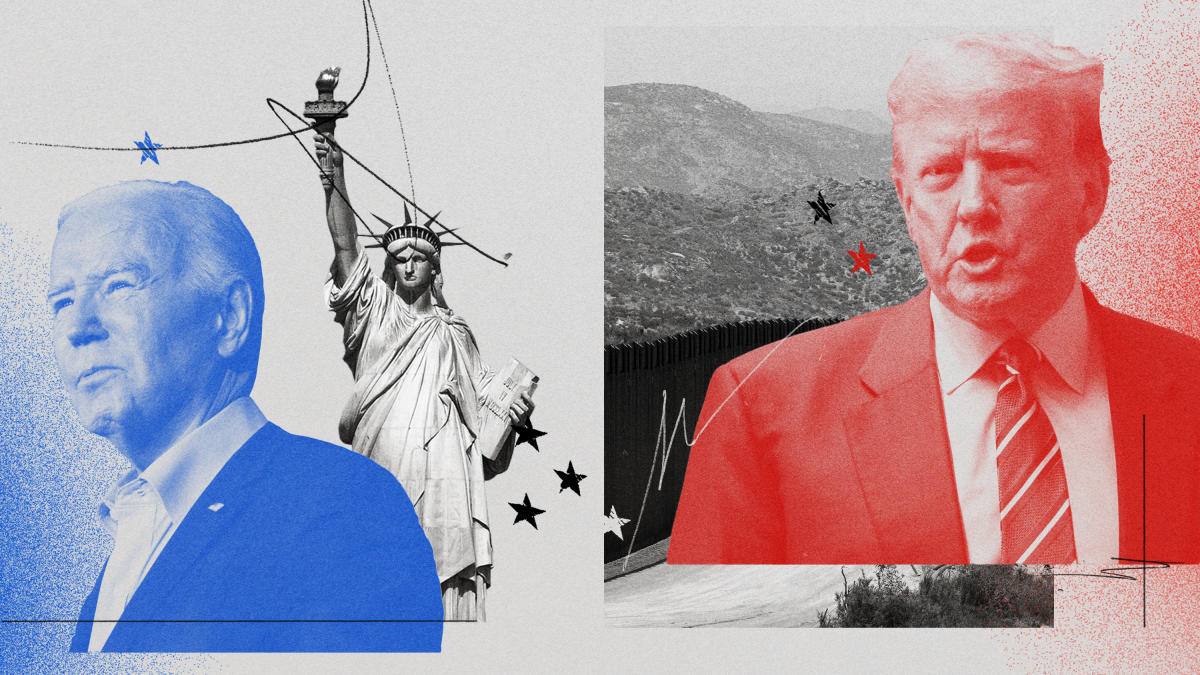
Welcome to part two of our ongoing series on some of the most pressing issues in U.S. politics. Today, we delve into the contentious situation at America’s southern border and how it has become a focal point for debate and policymaking. From President Biden’s pivotal executive order to the differences between his approach and that of former President Trump, there’s a lot to unpack regarding U.S. border policy.
President Biden’s recent executive order, which allows for temporary closure of the southern border during surges in crossings, has been described as the most restrictive border policy implemented by a modern Democrat. Since taking office and overturning some of Trump’s policies, the number of illegal crossings has skyrocketed, surpassing 2 million per year on average. Supporters of Biden argue that the underlying causes of this surge are complex and precede his presidency, citing issues like foreign violence, economic hardships, and criminal cartels profiting from illegal crossings.
On the other side of the aisle, Republican critics claim that Biden’s policies have incentivized migrants to attempt illegal crossings by expanding immigration parole and halting most ICE arrests and deportations. So, how do these divergent approaches between Biden and Trump impact the future of U.S. border policy?
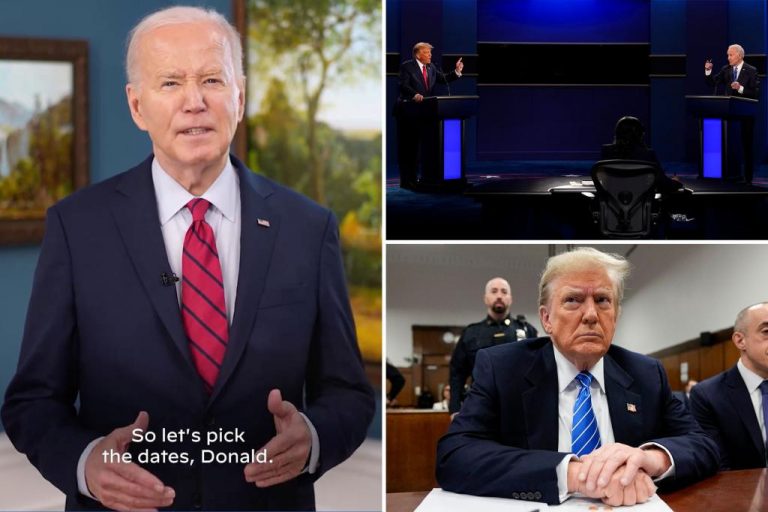
The upcoming election, featuring two former presidents as major-party nominees, provides a unique opportunity to compare and contrast the White House records of Biden and Trump. Let’s take a closer look at what each president has done regarding border policy and what they intend to do next.
Trump’s Approach:
Former President Trump built his political persona on a hard-line stance on immigration. From launching his presidential campaign with controversial remarks about Mexican immigrants to advocating for a border wall with Mexico, Trump’s policies stirred widespread debate. He also proposed initiatives like a Muslim travel ban and mass deportations of unauthorized immigrants to address border security concerns.
As president, Trump issued numerous executive actions related to immigration, including implementing the controversial Title 42 health authority to expel asylum seekers during the COVID-19 pandemic. His administration’s policies, characterized by stringent enforcement measures and restrictions on asylum, aimed to deter illegal crossings.
Biden’s Approach:
President Biden entered office with a commitment to roll back Trump’s immigration policies and introduce comprehensive reforms. He swiftly implemented changes such as halting border wall construction, reuniting separated migrant families, and restoring DACA protections for Dreamers. Biden also ordered a pause on most ICE arrests and deportations, prioritizing national security threats and serious criminals.
Despite these efforts, new challenges emerged at the border, leading to increased crossings and strained resources. While Biden emphasized his commitment to enhancing legal pathways for migration and toughening penalties for violations, the border situation remained a point of contention among policymakers and the public.
What’s Next:
Looking ahead, the contrasting visions of Trump and Biden for U.S. border policy offer insights into their respective agendas. Trump’s proposed policies include a massive deportation operation, border camps for detained migrants, and revived restrictions on refugees and asylum seekers. In contrast, Biden aims to address border challenges through a mix of executive actions and legislative efforts, balancing enforcement with humanitarian considerations.
The ongoing debate over border policy underscores the broader ideological divide in U.S. politics and the complex challenges of immigration management. As the situation at the southern border continues to evolve, the choices made by policymakers will shape the future of U.S. border security and immigration policy.
Stay tuned for the next installment in our series for more insights on critical issues facing the nation, and join the conversation on the future of U.S. border policy.