Trump and Harris’ Actions and Plans Regarding Abortion
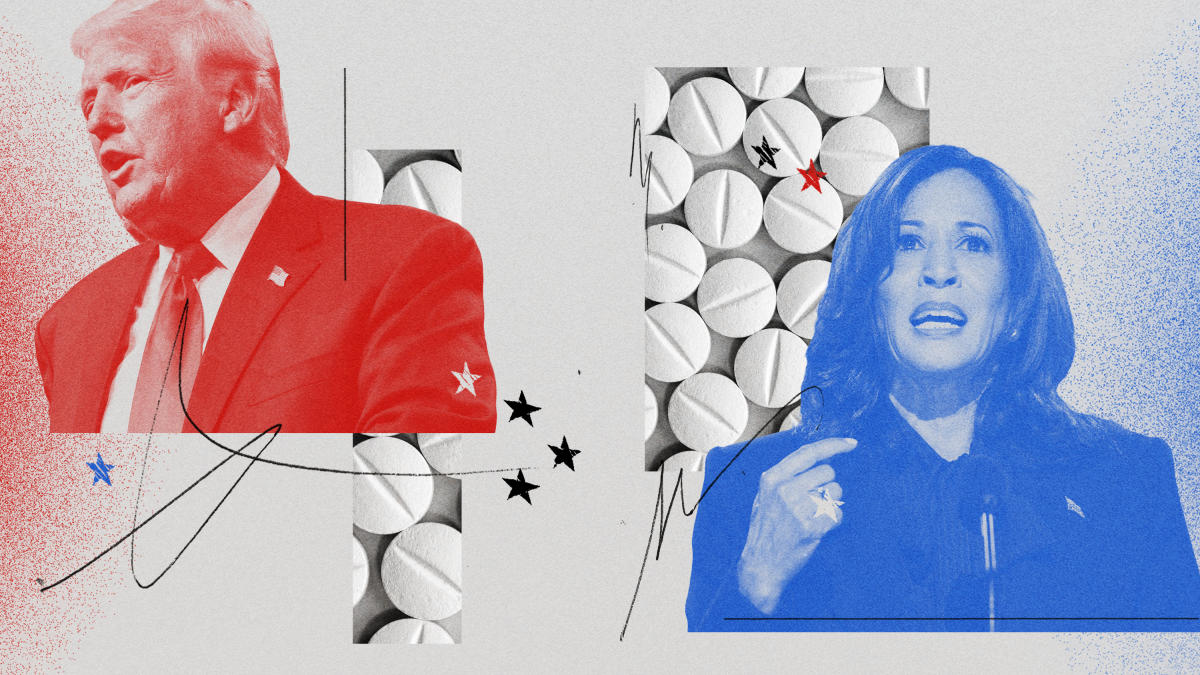
Welcome to the latest installment in our ongoing series examining where the 2024 presidential candidates stand on critical issues that matter most to voters. In this edition, we delve into the pressing topic of abortion, which has seized the spotlight ever since the Supreme Court’s landmark decision to overturn Roe v. Wade in June 2022.
The GOP has generally aligned with the Court’s ruling, signaling a shift in the national landscape regarding abortion rights. This decision opened the door for individual states to enact restrictions or outright bans on the procedure, a significant departure from nearly five decades of established legal protections.
But amidst this seismic change, where do Vice President Kamala Harris and former President Donald Trump stand on the contentious issue of abortion?
Abortion has remained an enduring focal point throughout the 2024 presidential campaign. Former President Trump made headlines on April 8 by declaring that he would delegate the authority to outlaw abortion to individual states. In response, the Biden campaign lambasted Trump, accusing him of endorsing draconian abortion bans across states, even those without exceptions.
Since ascending to the Democratic ticket in place of President Biden, Vice President Harris has only ramped up the pressure on Trump. Reports from the New York Times indicate that Trump privately recognizes the potential political peril posed by the abortion question, acknowledging that it could jeopardize his chances of victory in November.
During a debate in Philadelphia on September 10, Harris articulated her stance on the issue, emphasizing the harrowing consequences faced by pregnant women in scenarios where access to abortion care is restricted. She painted a vivid picture of women grappling with miscarriages being denied vital emergency medical attention due to fear of legal repercussions.
Trump, seeking to reposition himself on the issue, criticized abortion bans in states like Arizona and Florida. He softened the GOP’s abortion stance and asserted that his administration would advocate for women’s reproductive rights.
As we hurtle towards November’s election, a historic showdown looms, pitting a former president against the current vice president, steeped in their respective White House legacies.
Let’s delve into the track records of Harris and Trump on abortion, exploring their past actions and their envisioned paths forward.
Where they’re coming from
Where Harris is coming from: Harris has emerged as a staunch advocate for reproductive rights, diverging from Biden’s more nuanced stance on abortion. As California’s attorney general, she waged legal battles against anti-abortion groups that sought to smear abortion providers through surreptitious recordings. In the U.S. Senate, Harris championed maternal health legislation and spearheaded bills aimed at combating racial disparities in pregnancy-related complications.
In a forceful address in 2019, Harris underscored the urgent need to address the healthcare system’s implicit biases that disproportionately imperil Black mothers. She co-sponsored legislation to expand access to birth control and support care for conditions like uterine fibroids.
During her bid for the Democratic presidential nomination in 2020, Harris proposed federal oversight, akin to the Voting Rights Act, to preemptively block discriminatory abortion restrictions in certain states.
Where Trump is coming from: Trump’s views on abortion have evolved over time. While initially professing a pro-choice stance, he transitioned to adopt a pro-life position during his 2016 presidential campaign. Trump pledged to nominate Supreme Court justices committed to overturning Roe v. Wade, a vow that materialized with the appointments of Neil Gorsuch, Brett Kavanaugh, and Amy Coney Barrett.
As President, Trump pursued policies aimed at restricting abortion rights, endorsing a federal ban post the 20-week pregnancy mark and curbing federal funding for organizations offering abortion services.
Trump has portrayed himself as a trailblazer for the pro-life cause, flaunting his role in dismantling Roe v. Wade.
What they’ve done in office
What Harris has done as vice president: Harris navigated two distinct phases on abortion during her vice presidency – predating and postdating the Dobbs v. Jackson Women’s Health Organization ruling. Before the Court’s decision, Harris concentrated on maternal health issues, particularly highlighting the disparities confronting Black women in pregnancy outcomes.
Following the Court’s ruling, Harris spearheaded efforts within the Biden administration to expand abortion pill access, reinforce emergency care for pregnancy-related cases, and bolster patients’ ability to traverse state boundaries for abortions. She emerged as a prominent figure championing abortion rights, with a marked emphasis on restoring the safeguards of Roe v. Wade.
Harris’s advocacy culminated in her unprecedented visit to an abortion clinic, underscoring her commitment to safeguarding reproductive rights.
What Trump did as president: Trump’s presidential tenure witnessed the appointment of three conservative Supreme Court justices instrumental in overturning Roe v. Wade. He championed a federal abortion ban post the 20-week gestation period and imposed restrictions on abortion providers’ federal funding.
Trump’s administration heralded a slew of anti-abortion measures, cementing his legacy as a proponent of the pro-life movement.
What they want to do next
What Harris wants to do next: In light of the Dobbs ruling, Harris has pledged to lead the charge in Congress to reinstate the protections enshrined in Roe v. Wade nationwide. She has expressed readiness to circumvent Senate filibuster rules to advance abortion legislation, underscoring a resolute commitment to codifying abortion rights into law.
Should she ascend to the presidency, Harris envisions fortifying the federal protections initiated under Biden’s tenure, offering enduring safeguards against potential legal challenges.
What Trump wants to do next: Trump’s post-Dobbs strategy diverges from his initial fervor for a national abortion ban, opting instead to leave abortion regulation to individual states. He has cautioned against overly stringent abortion laws within his party, advocating for a more decentralized approach following recent electoral setbacks in pro-life states.
Amidst mounting state-level abortion restrictions, Trump’s allies are reportedly devising executive actions to tighten abortion regulations, signaling a potential reinforcement of anti-abortion policies without necessitating new legislation.
In conclusion, the 2024 presidential race teems with divergent views and approaches to the thorny issue of abortion. As the campaign unfolds, voters are poised to weigh the contrasting visions espoused by Harris and Trump, casting a ballot that could reshape the nation’s abortion landscape for years to come.