Trump asks judge to stop more evidence in 2020 election case
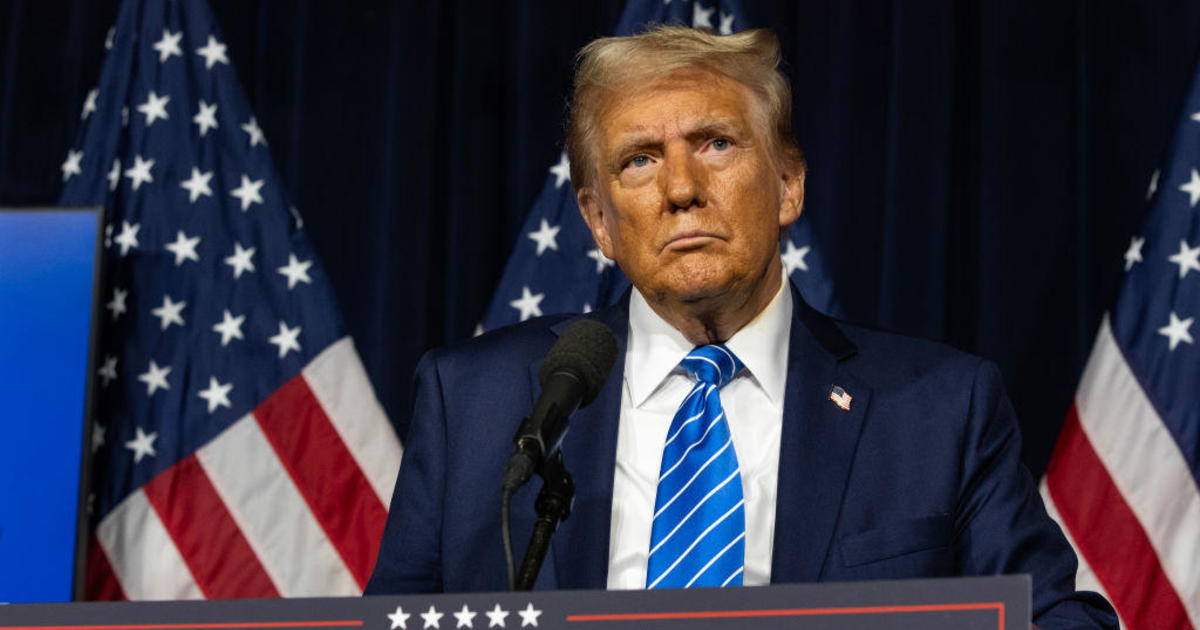
Former President Donald Trump’s legal team is currently embroiled in a high-stakes legal battle over the release of evidence related to his prosecution regarding the 2020 election. The federal district judge overseeing the case, Tanya Chutkan, is at the center of this controversy, with Trump’s lawyers urging her to keep key evidence hidden from the public view.
In a two-page filing, Trump’s legal team raised concerns about the potential impact of releasing this evidence during the 2024 presidential election, accusing special counsel Jack Smith of trying to influence the election by exposing damaging information while voters are casting their ballots.
The former president’s legal team vehemently argued against any further disclosures of what they view as improperly selected and misrepresented evidence by the Special Counsel’s Office. They emphasized that the release of such information lacks a legal basis and could unduly influence the ongoing presidential election.
On the other hand, the special counsel’s office remained tight-lipped about the matter, leaving the decision in the hands of Judge Chutkan. The judge must now weigh the arguments presented by both parties and determine whether to release the appendix containing potentially sensitive information.
Meanwhile, prosecutors have refuted Trump’s claims of political bias, asserting that their primary goal is to uphold the law rather than engage in partisan politics. This assertion reinforces the notion that the special counsel’s office is focused on executing its prosecutorial duties without any political motives.
Chutkan previously allowed the release of a redacted version of the brief submitted by Smith, which omitted certain names and references deemed sensitive. The special counsel’s office justified these redactions by citing the need to protect individuals’ identities and grand jury proceedings.
Furthermore, prosecutors have proposed limited redactions to publicly available information, such as Trump’s tweets, to prevent potential threats, harassment, or interference with trial witnesses. These precautionary measures aim to safeguard the integrity of the legal proceedings and ensure a fair trial for all involved parties.
The case against Trump gained new momentum after the Supreme Court ruled in favor of granting former presidents limited immunity from criminal charges related to their official duties. Subsequently, prosecutors pursued a revised indictment against Trump to align with the Supreme Court’s decision and address specific legal constraints.
Trump, facing multiple charges stemming from the aftermath of the 2020 election, continues to plead not guilty and invoke presidential immunity as a defense. The ongoing legal dispute revolves around the interpretation of presidential immunity and its applicability to the allegations leveled against Trump.
Smith’s detailed legal brief provided a comprehensive overview of the evidence collected by federal prosecutors, shedding light on Trump’s actions post-election and during the Capitol riot on January 6, 2021. The evidence presented in the brief played a crucial role in shaping the narrative of the case and highlighting the sequence of events leading to Trump’s indictment.
Despite Smith’s arguments against Trump’s claim of immunity, the former president’s legal team remains steadfast in their defense strategy, aiming to dismiss the entire case based on constitutional grounds. The conflicting perspectives on presidential immunity and the alleged criminal conduct underscore the complexity of the legal battle unfolding in court.
As the legal proceedings continue, the public remains eager to learn the outcome of Judge Chutkan’s decision regarding the disclosure of sensitive evidence. The implications of this decision extend beyond the current case, setting a precedent for future legal battles involving former presidents and the scope of their immunity from criminal prosecution.
In conclusion, the legal showdown between Trump’s legal team and federal prosecutors underscores the intersection of law, politics, and presidential accountability. The unfolding drama in the courtroom captures the attention of both legal scholars and everyday Americans, highlighting the complexities of navigating the legal system in pursuit of justice and accountability.