Trump falsely claims Kamala Harris is not Black.
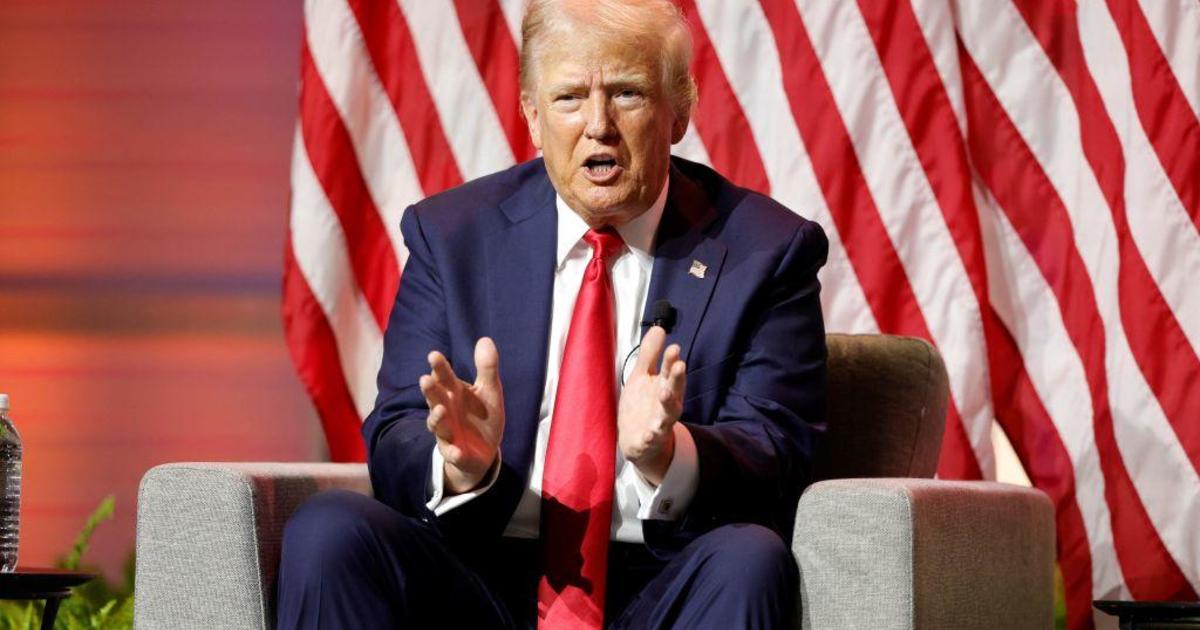
Former President Donald Trump made racially insensitive remarks about Democratic nominee Kamala Harris during a panel discussion at the National Association of Black Journalists conference in Chicago. Trump falsely questioned Harris’s racial background, claiming she “happened to turn Black” a few years ago. These comments have sparked controversy and backlash from the public.
Harris, whose mother is from India and father is from Jamaica, has a diverse heritage. She attended Howard University, a historically black school, and has been actively involved in Black organizations throughout her career. Despite her clear identification as a woman of color, Trump’s comments undermine her identity and are seen as disrespectful.
This is not the first time Trump has raised doubts about a public figure’s background. Previously, he falsely questioned President Barack Obama’s heritage in an attempt to discredit his presidency. In his recent remarks, Trump also made divisive comments about undocumented immigrants taking “Black jobs,” further fueling racial tensions.
During the panel discussion, Trump faced scrutiny from ABC’s Rachel Scott regarding his definition of a “Black job.” His response, met with laughter from the audience, highlighted his lack of understanding and sensitivity to issues of race and identity. The press secretary, Karine Jean-Pierre, condemned Trump’s comments as insulting and derogatory towards individuals of color.
Trump’s lack of empathy and understanding was evident when discussing the case of Sonya Massey, an unarmed Black woman fatally shot by a sheriff’s deputy. Trump claimed ignorance about the details of the case and suggested that police officers should receive federal immunity. These statements dismiss the serious concerns surrounding police violence and accountability in communities of color.
Overall, Trump’s remarks at the NABJ conference have reignited conversations about race, identity, and accountability in politics. His divisive rhetoric and lack of understanding of diverse experiences continue to be a point of concern for many Americans. As the country moves forward, it is essential to address these issues and strive for a more inclusive and respectful dialogue in the public sphere.