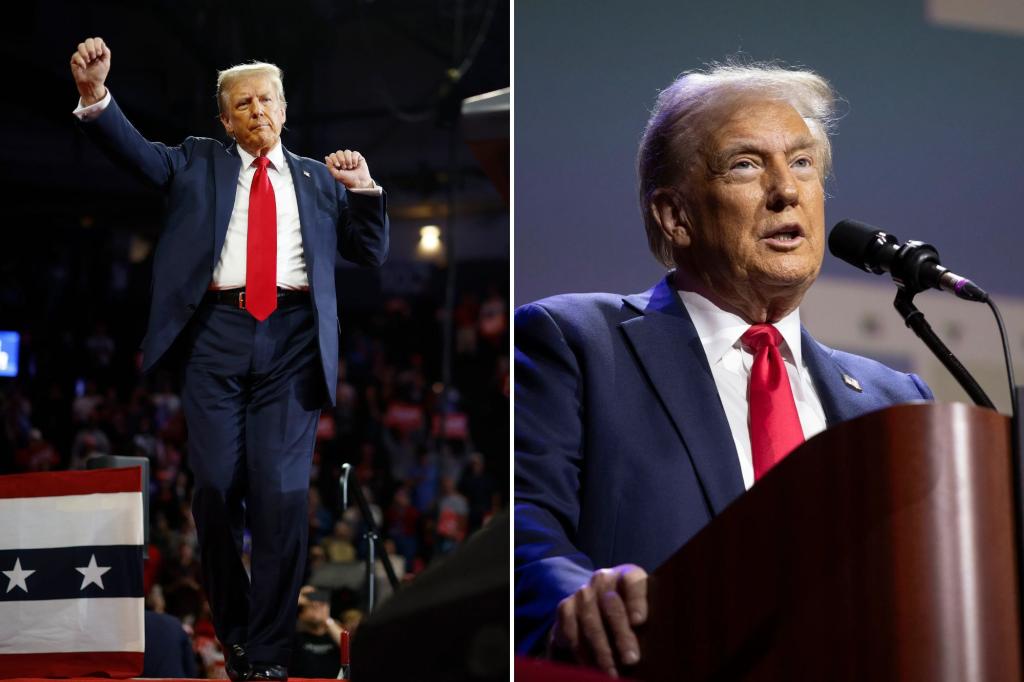
Trump plans to allow tax deductions on car loan interest and eliminate double taxation on foreign income.
President Donald Trump has made a bold announcement that could potentially have a significant impact on Americans’ finances. During a recent press conference, he revealed his plan to make car loan interest deductible and end the double tax on foreign income. This proposal has sparked a wave of discussion and debate across the country, with experts and citizens weighing in on the potential implications of these changes.
One of the key points of Trump’s proposal is the idea of making car loan interest deductible. This would mean that individuals who take out loans to purchase a car would be able to deduct the interest they pay on those loans from their taxable income. Currently, the tax code allows for deductions on certain types of interest, such as mortgage interest, but car loan interest is not included in this list.
Supporters of this proposal argue that making car loan interest deductible would provide much-needed financial relief to hardworking Americans. With the average cost of a new car hovering around $30,000, many families rely on financing to make such a significant purchase. Allowing them to deduct the interest on these loans would help lower their overall tax burden and free up more money for other expenses.
However, critics of the proposal have raised some valid concerns. They argue that making car loan interest deductible could disproportionately benefit wealthier individuals who are more likely to take out loans for expensive luxury vehicles. This could potentially widen the wealth gap and lead to further inequality in the country.
Another major aspect of Trump’s plan is the proposal to end the double tax on foreign income. Currently, American citizens who earn income abroad are required to pay taxes on that income both in the country where it was earned and in the United States. This results in a double tax burden that many expats find burdensome and unfair.
The President’s plan to end this double taxation has been met with mixed reactions. On one hand, this change could make it more attractive for Americans to work overseas and could potentially stimulate economic growth. It could also simplify the tax filing process for expats and reduce the administrative burden of compliance with two different tax systems.
However, opponents of the proposal argue that ending the double tax on foreign income could lead to a loss of revenue for the government. They also point out that some Americans who work abroad already benefit from tax treaties and foreign tax credits that mitigate the impact of double taxation.
Overall, Trump’s announcement has sparked a lively debate about the potential impact of these proposed changes. While some view them as a positive step towards reducing tax burdens and promoting economic growth, others are concerned about the potential drawbacks and unintended consequences.
As the debate continues, it will be important for policymakers to carefully consider all perspectives and weigh the potential benefits against the risks. Ultimately, any changes to the tax code should aim to create a fairer and more equitable system that benefits all Americans.
Whether or not Trump’s proposals will ultimately come to fruition remains to be seen. In the meantime, it is clear that these changes have already ignited a passionate discussion about the future of taxation in the United States.