Trump supports Jan. 6 rioters in debate.
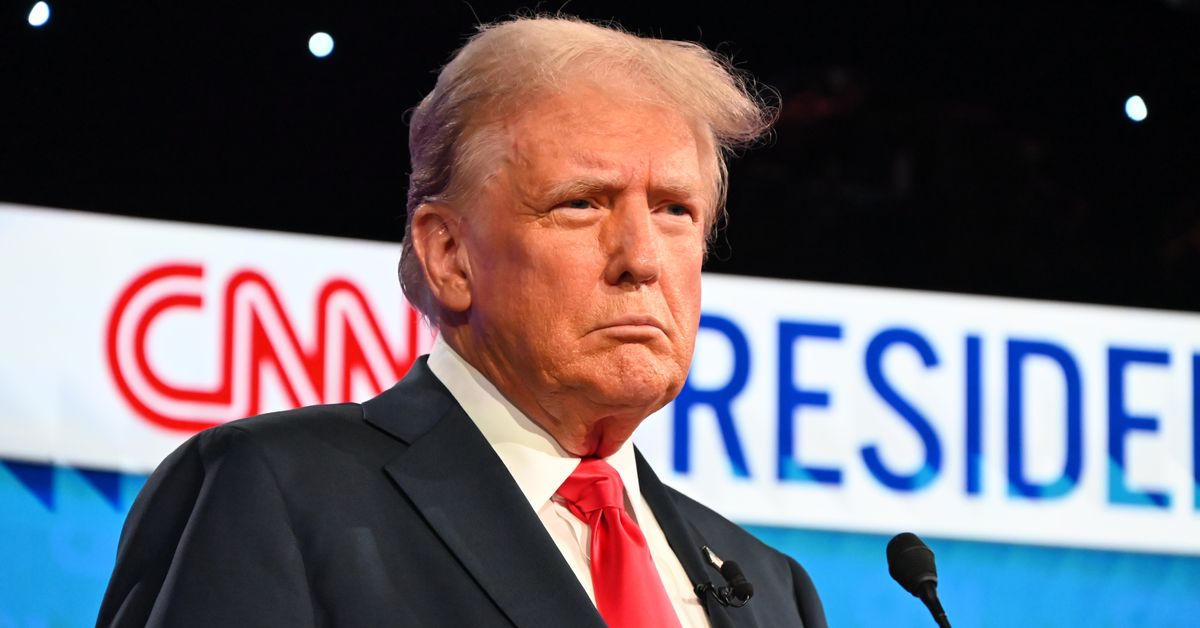
On the national debate stage, former President Donald Trump once again showed his unwavering support for the rioters who attacked the U.S. Capitol on January 6, 2021. When President Joe Biden mentioned Trump’s desire to “forgive” and commute the sentences of the January 6 convicts, Trump did not deny it. Instead, he chose to side with the rioters.
He criticized the federal prosecutions against the Capitol rioters, accusing the government of destroying the lives of innocent people. Trump then veered off into a tangent about calling in the National Guard on Black Lives Matter protesters in 2020. His remarks underscored his consistent defense of the January 6 defendants, who engaged in violent actions to disrupt the peaceful transfer of power.
According to an NPR tally, the vast majority of the over 1,400 defendants in the January 6 cases have either pleaded guilty or been found guilty at trial. Many are still awaiting trial, with only three defendants being acquitted of all charges so far.
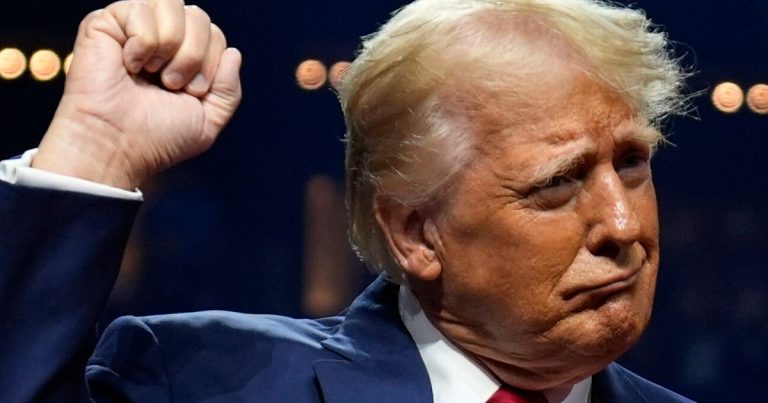
Trump has made multiple statements expressing his support for the release of some or all of the January 6 rioters. In January 2022, he vowed to treat them “fairly” and indicated a willingness to grant pardons if necessary. He referred to the rioters as “patriots” and vowed to consider pardoning them seriously, highlighting his belief that they are being treated unfairly compared to terrorists and murderers.
These statements are just a few examples of Trump’s ongoing advocacy for the January 6 defendants. He has referred to them as “hostages” and “political prisoners,” even playing a song recorded by jailed rioters at campaign rallies. In March of this year, he pledged to prioritize freeing the “January 6 hostages” if he were to be elected as the next President.
During the recent debate, when asked if he had violated his oath of office on January 6, Trump evaded the question and instead focused on his administration’s accomplishments in various areas like border security and taxes. When pressed for a direct response, he claimed he had little involvement on that day, alleging that he was merely there to make a speech.
However, Trump’s efforts to distance himself from the events of January 6 are contradicted by his own actions leading up to that day. He had actively promoted the rally and urged his supporters to attend, fueling the atmosphere that led to the violent insurrection. In a speech prior to the breach of the Capitol, Trump had urged his followers to “fight like hell,” suggesting a direct link between his rhetoric and the subsequent actions of the rioters.
Furthermore, Trump’s claim that he offered 10,000 soldiers for security on January 6, only to have the offer rejected by Speaker Nancy Pelosi, is inaccurate. Pelosi has not admitted to turning down such an offer, casting doubt on the credibility of Trump’s statements.
As the debate continued, Trump’s defense of the January 6 rioters and his attempts to downplay his role in inciting the violence raised further questions about his commitment to upholding the rule of law and the democratic process. His ongoing support for those involved in the Capitol insurrection highlights the deep divides within the political landscape and the challenges facing the country as it seeks to address the aftermath of January 6.