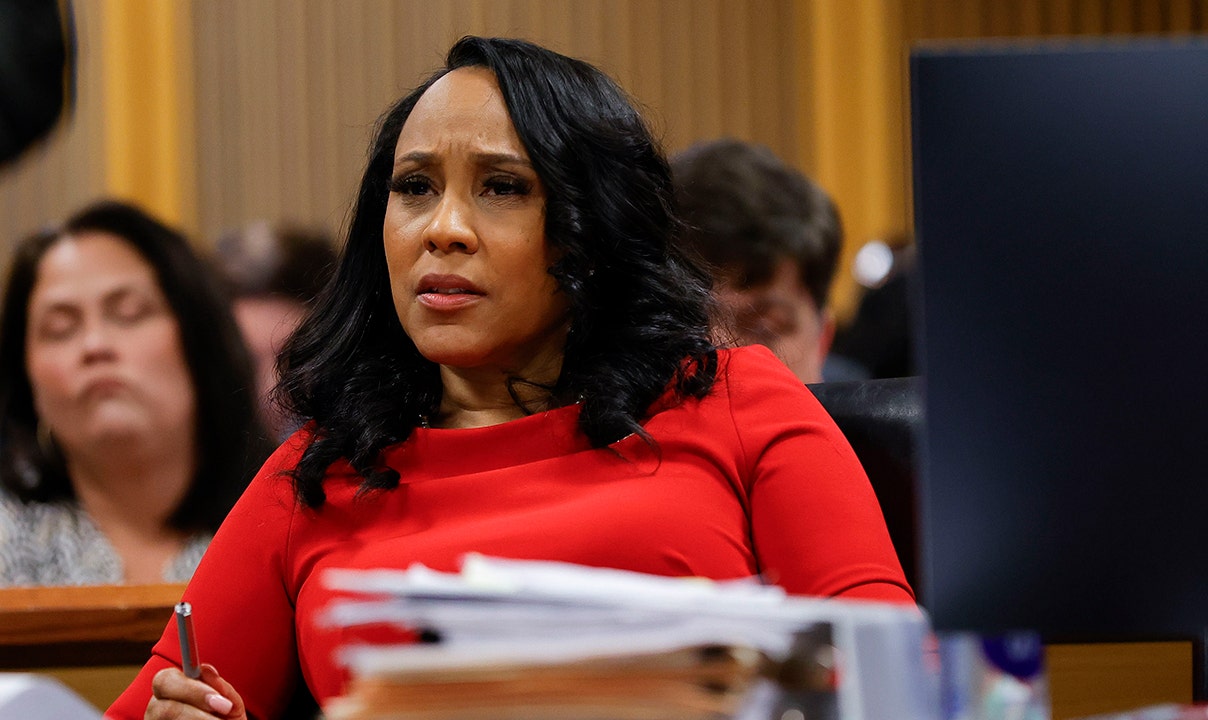
Trump wants Fani Willis disqualified for misconduct.
Former President Trump’s legal team has taken the first step in appealing a court order seeking to disqualify Fulton County District Attorney Fani Willis from a significant electioneering case in Georgia. The appeal brief argues that Willis should have been dismissed from the case due to alleged forensic misconduct and a perceived conflict of interest with former assistant DA Nathan Wade, with whom Willis had a romantic relationship.
Lead attorney Steve Sadow expressed optimism that the Court of Appeals would rule in their favor after agreeing to hear arguments on the matter on October 4. The appeal seeks to address whether a prosecutor should be disqualified for ethical violations and creating an appearance of impropriety that undermines the fairness of the legal process.
The legal battle between Trump and Willis has cast a shadow over the impending election, with the appeals court temporarily halting proceedings in the case. Willis, who has faced mounting challenges in prosecuting Trump and his co-defendants, filed a motion earlier this month to dismiss the appeal, asserting that there was no substantial evidence to prove a conflict of interest on her part.
Trump and 18 others were indicted in August as part of a prolonged investigation into allegations of election interference in Georgia. The charges include violating the RICO Act, solicitation of violations of oath by a public officer, conspiracy to commit impersonation, forgery, and filing false documents.
Despite facing setbacks in court, Willis has pushed forward with the case, disavowing claims of improper conduct and asserting her commitment to upholding the rule of law. In response to accusations of a romantic entanglement with co-counsel Wade, Willis maintained that they had split shared expenses and followed appropriate procedures.
Following hearings and legal deliberations, Judge McAfee ordered Wade’s removal from the case to prevent any further appearance of impropriety. While noting the unusual nature of the financial arrangements between Willis and Wade, McAfee ultimately found insufficient evidence to suggest that their relationship influenced the prosecution’s decision-making.
As the legal battle unfolds, questions linger over the integrity of the case and the potential for outside influences to taint the proceedings. McAfee’s decision to allow the defendants to seek immediate review underscores the gravity of the situation and the need for transparency in the legal process.
With the fate of the electioneering case hanging in the balance, the appeal to disqualify Willis stands as a pivotal moment in Trump’s legal saga. As the Court of Appeals prepares to weigh the arguments of both sides, the outcome will have far-reaching implications for the future of the case and the pursuit of justice.