Trump’s campaign has paid a lot of money for ads against transgender people.
Former President Donald Trump’s campaign and his allies have been making significant investments in political ads focusing on transgender rights issues as the election approaches. The Trump campaign alone has spent over $19 million on two television advertisements that have collectively aired nearly 55,000 times since October 1. In addition, Make America Great Again Inc., the prominent super political action committee supporting Trump, has allocated more than $1.1 million for a similar ad that has been broadcast over 6,000 times during the same period.
These ads are currently being broadcast in all battleground states, strategically timed to air during NFL and college football games according to a Trump campaign official. The content of these ads primarily revolves around taxpayer-funded gender transitions for individuals in prison and immigrant detainees. Leveraging Vice President Kamala Harris’ comments from 2019 supporting transgender inmates’ access to gender-affirming surgery, the ads aim to draw a clear distinction between Kamala Harris and Donald Trump.
One of the ads states, “Kamala is for they/them. Trump is for you.” However, Harris’ communications director, Michael Tyler, refuted the implication made by the ads, stating in an interview with Fox News in September that the questionnaire responses from 2019 do not reflect Harris’ current policy proposals or campaign platform.
Despite the significant investment in ads focusing on transgender rights, recent polling data suggests that only 38% of voters consider transgender rights to be extremely or very important factors in their voting decisions for the upcoming election. Furthermore, a Gallup poll from 2023 indicated a growing majority of Americans believe transgender athletes should only compete on teams corresponding to their gender at birth. Only 26% of respondents supported allowing transgender athletes to participate based on their gender identity.
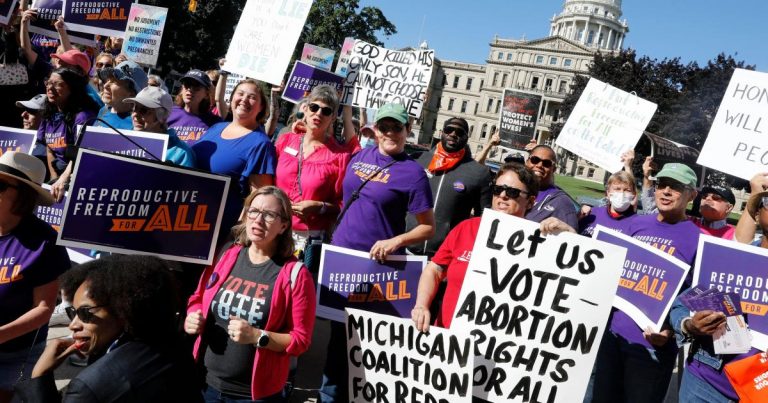
It’s evident that voters’ primary concerns revolve around issues such as the economy, abortion, and immigration, relegating transgender rights to a lower priority on their decision-making spectrum. The Trump campaign, however, seems to be banking on the notion that as the election draws nearer, the discourse around transgender rights can be weaponized to sway voters more effectively than discussions on the economy or immigration.
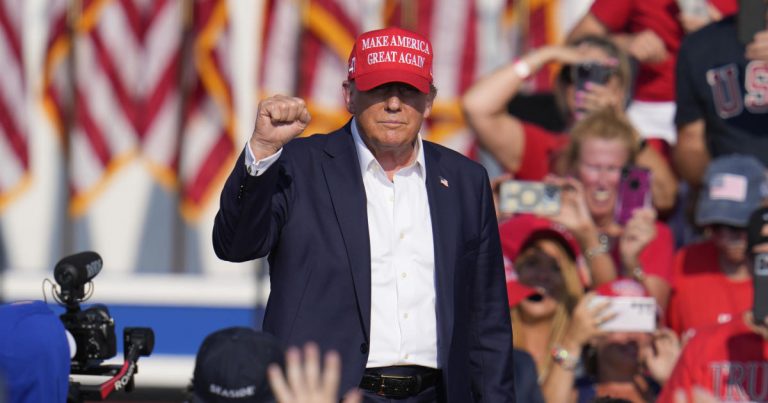
Chris LaCivita, co-campaign manager for Trump, emphasized this strategy in an interview with NBC News, stating, “It’s the last thing on Earth they want to talk about, so we’ll talk about it for them.” Trump himself has actively campaigned on this front, emphasizing phrases like “keeping men out of women’s sports” during his rallies, much to the applause of his supporters.
Trump is not alone in utilizing transgender rights as a focal point in his campaign strategy. The debate over transgender girls participating in sports and accessing locker rooms has also been featured in Republican ads targeting key Senate races. Cameron Shelton, a professor specializing in political economy at Claremont McKenna College, highlighted that while political ads might not sway voters’ opinions, they can serve to reinforce existing sentiments that could potentially boost voter turnout.
Shelton explained, “[Republicans] are attempting to pinpoint an issue where the majority aligns with their stance. By emphasizing transgender rights, they are essentially saying, ‘Let’s set aside our differences on other matters. If I can remind you that you’re aligned with me on this issue, it might have a ripple effect.'” In a memo released earlier this month, the Human Rights Campaign reiterated the historically ineffective nature of anti-transgender ads in political campaigns, citing various instances where such fear-mongering tactics failed to yield desired results.
Brandon Wolf, a spokesperson for the Human Rights Campaign, remarked, “Anti-trans attacks have consistently proven to be ineffective in influencing the voting behavior of the American people. Despite attempts to spread fear and misinformation, the electorate has consistently shown a propensity to see through such tactics and make informed decisions at the polls.”