Trump’s key witness unable to testify after judge’s rulings.
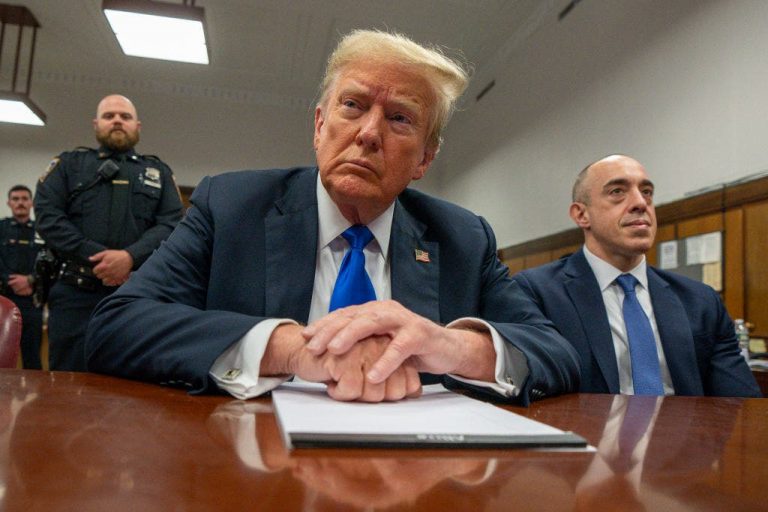
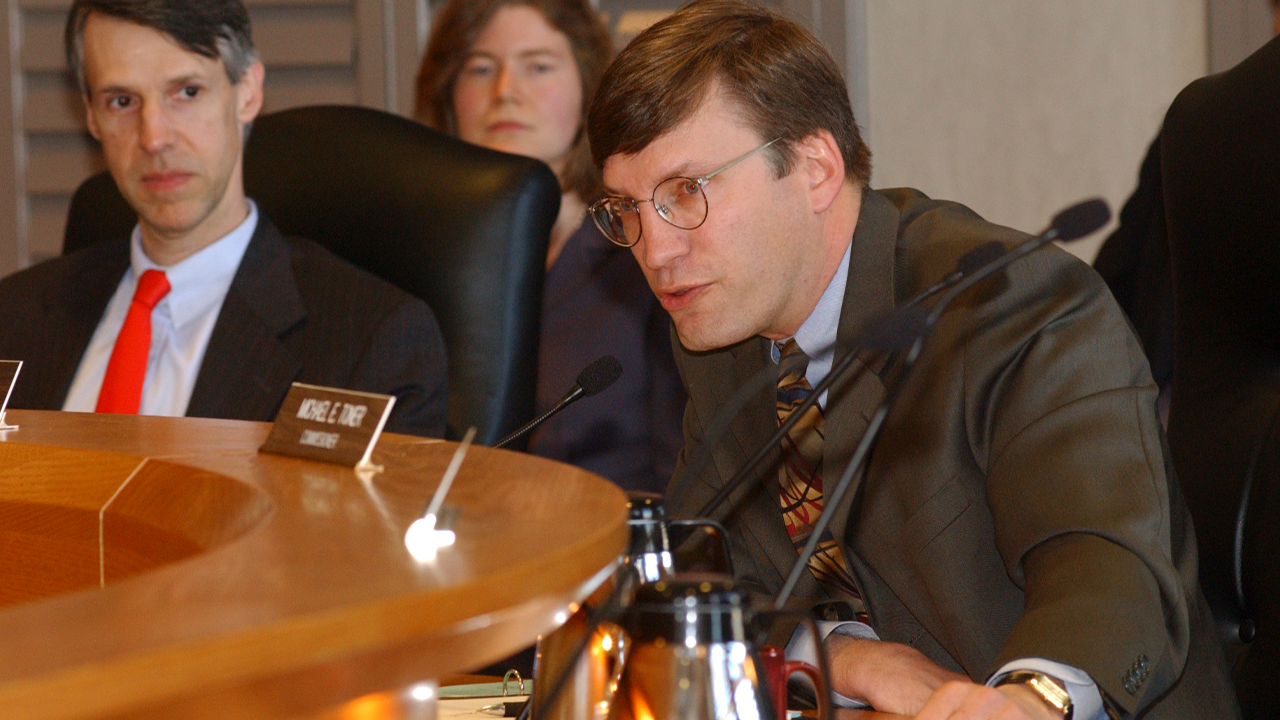
Former President Trump’s legal team planned to have a former commissioner of the Federal Election Commission testify in the NY v. Trump case, but the expert’s testimony was restricted by the presiding judge. This limitation prompted the defense to decide against calling the witness, as Judge Merchan narrowed the scope of what could be discussed before the jury.
Bradley Smith, a former FEC Commissioner, expressed his disappointment on social media, stating that the judge’s restrictions on his testimony led to the defense’s decision. Smith, known as an election law expert, was meant to shed light on allegations that Trump falsified business records to cover up an election violation.
In the case, Trump faced 34 counts of falsifying business records related to payments made to Stormy Daniels, a former porn actress. The Manhattan District Attorney had to prove to the jury that Trump not only falsified these records but did so to further a conspiracy related to the election.
Smith, who had previously chaired the FEC, was set to provide insights into the complex nature of campaign finance laws, challenging the prosecution’s focus on Trump’s business records. However, Judge Merchan’s ruling limited Smith’s testimony to basic definitions, preventing him from discussing interpretations of the law that he deemed crucial for the jury to understand.
In a conversation with the Washington Examiner, Smith highlighted the intricacies of campaign finance laws, emphasizing the complexity that a simple reading of the statute might not clarify for jurors. He intended to explain how the law has been interpreted and the nuances of provisions like personal use restrictions on campaign funds.
The case against Trump concerning the payments made has been refused prosecution by both the Justice Department and the FEC in recent years. Despite these decisions, the prosecution in the NY v. Trump case persists, attempting to prove that Trump’s actions were meant to influence the election through illegal means.
Smith, in an opinion piece, criticized the prosecution’s theory that Trump’s payments to Daniels were campaign expenditures. He argued that such payments did not fall under campaign-related expenses, thus challenging the core premise of the case being pursued by the Manhattan DA.
As the defense rested their case and the jury was dismissed for Memorial Day, the stage is set for closing arguments to take place after the holiday. The trial continues with its focus on whether Trump’s actions were a deliberate attempt to impact the election unlawfully, a stance that remains contested by expert witnesses like Bradley Smith.