Trump’s lawyers say Mar-a-Lago search was unjustified, prosecutors reject their claims
Attorneys representing former President Trump have claimed that the search of his Mar-a-Lago property in August 2022 was conducted without probable cause and violated his constitutional rights. On the other hand, federal prosecutors dismissed these allegations as a “conspiracy theory.”
Trump’s legal team and federal prosecutors appeared in the U.S. District Court for the Southern District of Florida before Judge Aileen Cannon in a hearing related to Trump’s motion for relief concerning the Mar-a-Lago raid and the alleged breach of attorney-client privilege.
The initial part of the hearing was held in a sealed session to protect grand jury materials and attorney-client privilege assertions. However, it was later opened to the public and the press to discuss the legality of the federal agents raiding Trump’s luxurious Mar-a-Lago estate.
The Trump legal team argued that the search was excessive, highlighting the vast size of the property and questioning the need for a search of the entire premises without specific probable cause. They also raised concerns about the areas where FBI agents took photos during the raid, claiming some areas were off-limits, such as Melania Trump’s bedroom, the gym, and Barron Trump’s room.
In response, Judge Cannon expressed doubt about the necessity of the search, pointing out that classified documents could potentially be found anywhere in the property. Trump’s attorneys also alleged that FBI agents were not adequately briefed on the scope of the search, leading to unauthorized exploration of personal spaces.
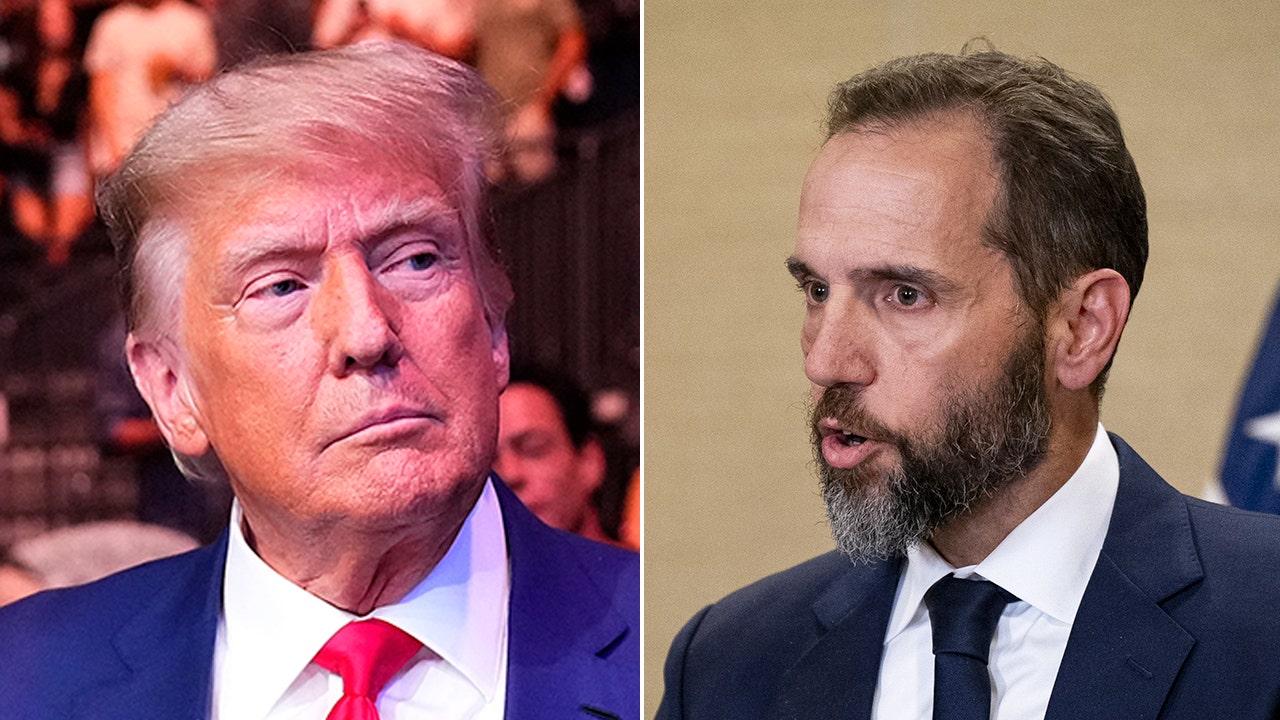
Special Counsel Jack Smith, who brought the charges against Trump following a lengthy classified records investigation, was also present during the hearing. Federal prosecutor David Harbach represented the special counsel’s team and argued that the defense failed to provide substantial evidence of deliberate falsehoods in the documentation presented to obtain the search warrant.
The prosecution maintained that there was a valid reason to search the entire Mar-a-Lago property, citing suspicions of classified documents being moved by Trump himself. Harbach contended that the agents executed the search professionally and within the boundaries of the warrant.
However, Trump’s lawyers contended that the raid extended beyond the scope of classified records, including the seizure of personal documents like medical and tax records. Harbach explained that the warrant allowed for the seizure of various items found on the property, including medical records that were later returned to Trump.
The FBI’s use of firearms during the raid on a property protected by the Secret Service was also a point of contention. Harbach defended the protocol of carrying firearms as standard procedure for FBI agents.
As the hearing progressed, both sides presented their arguments regarding the need for further hearings to assess the validity of the search warrant and the execution of the raid. Judge Cannon expressed skepticism about the defense’s claims but agreed to consider the motion for a Franks hearing.
Following a heated exchange between the defense and prosecution about the handling of the hearing, Judge Cannon decided to take the motion under advisement, further delaying Trump’s trial that had been indefinitely postponed due to procedural issues.
Trump faces multiple felony charges related to the retention of classified materials and obstruction of justice, to which he has pleaded not guilty. The proceedings surrounding the Mar-a-Lago raid underscore the complex legal battle between the former president and federal prosecutors.