Trump’s Legacy will Affect Canada-U.S. Relations
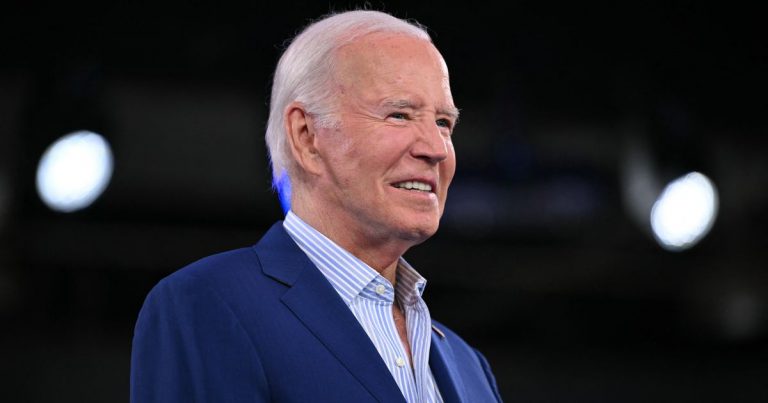
On a historic Wednesday, Joe Biden was sworn in as the 46th President of the United States, marking the official end of Donald Trump’s tumultuous term. Exactly two weeks prior, Trump had incited a violent mob of insurrectionists to storm the U.S. Capitol in a desperate attempt to overturn the election results.
In his inaugural address, President Biden called for unity and healing in a nation deeply divided by partisanship. He emphasized the importance of ending the “uncivil war” that has consumed the country, urging Americans to come together regardless of political affiliations. Biden reassured international allies that the U.S. would work to repair alliances and re-engage with the global community.
Prime Minister Justin Trudeau of Canada issued a statement following Biden’s inauguration, highlighting the strong bond between the two countries based on shared democratic values and economic ties.
The shocking events of January 6th, when the U.S. Capitol was besieged by violent rioters, sent shockwaves around the world. Images of armed Trump supporters marching through the halls of Congress highlighted the dangerous consequences of political extremism.
For Canadians watching from afar, the attempted coup struck a nerve and raised concerns about the stability of American democracy. Despite the chaos, there is hope that the foundations of democracy will prevail, as evidenced by the swift confirmation of two Democratic senators on the same day as the riots.
European studies professor Oliver Schmidtke described the Capitol riots as a defining moment of our time, underscoring the fragility of democracy in the face of extremism. The events resonated with Canadians as well, with some Trump supporters organizing smaller rallies in cities across the country.
The lingering effects of Trump’s divisive rhetoric have not been limited to the U.S., as Canadian politicians grapple with similar issues of polarization and misinformation. Former Conservative leader Andrew Scheer’s remarks denouncing mainstream media bias reflect a worrying trend of distrust in traditional institutions.
In a final act of defiance, Trump broke tradition by skipping Biden’s inauguration and leaving Washington D.C. for Florida. His departure marked the end of a tumultuous era in American politics, characterized by his unconventional leadership style and disregard for norms.
As the Biden administration takes office, Canada faces challenges in navigating its relationship with the new U.S. government. Biden’s protectionist policies, rooted in his Democratic ideology, may pose obstacles for Canada, particularly in the realm of trade.
The revocation of the Keystone XL pipeline permit on Biden’s first day in office signals a shift away from the pro-fossil fuel agenda of the previous administration. Canadian industries reliant on exports must adapt to these changing dynamics and diversify their trade partnerships.
Despite the uncertainty surrounding U.S.-Canada relations under Biden, there is optimism for renewed cooperation and collaboration. Prime Minister Trudeau expressed eagerness to work closely with the new administration to tackle shared challenges and rebuild post-pandemic economies.
As both countries navigate the complexities of a post-Trump era, the importance of strong leadership and diplomatic engagement cannot be understated. The road ahead may be fraught with obstacles, but the spirit of partnership and friendship between Canada and the U.S. remains resilient.