Understanding Project 2025: The plan for a second term under Trump.
Welcome to the Boston Post News network, where we bring you the latest updates on politics, policy, and everything in between. Today, we delve into the intriguing details surrounding “Project 2025,” a presidential transition project that has been making waves in recent weeks. Let’s take a closer look at what this initiative entails and how it could impact the future of American governance.
Project 2025, overseen by the conservative Heritage Foundation, is a comprehensive plan that outlines a vision for the next Republican president to overhaul the executive branch. Led by former Trump administration officials Paul Dans and Spencer Chretien, this initiative comprises four key components: a policy guide, a database of potential personnel, training for candidates, and a playbook for the first 180 days in office.
At the core of Project 2025 lies the policy book titled “Mandate for Leadership 2025: The Conservative Promise,” which spans nearly 900 pages and proposes significant changes across various government agencies. Drawing on input from key figures in the Trump administration, the recommendations cover areas such as education, immigration, social issues, and federal agency operations.
One notable aspect of the policy agenda is its stance on abortion and social issues. The initiative calls for rolling back FDA approvals of abortion pills, enforcing laws against abortion providers, and promoting pro-life initiatives within the Health and Human Services Department. Additionally, it advocates for a traditional view of marriage and family, challenging progressive norms in these areas.
Furthermore, Project 2025 aims to restructure federal agencies like the National Oceanic and Atmospheric Administration and the Department of Homeland Security, advocating for downsizing and realignment to enhance efficiency and address conservative priorities. The policy guide also targets diversity, equity, and inclusion initiatives in government, proposing changes to funding and personnel practices.
On the immigration front, the initiative supports completing the U.S.-Mexico border wall, deploying military personnel to address drug cartel activities, and revising enforcement guidelines for Immigration and Customs Enforcement. These proposals reflect Trump’s longstanding focus on immigration policy and national security.
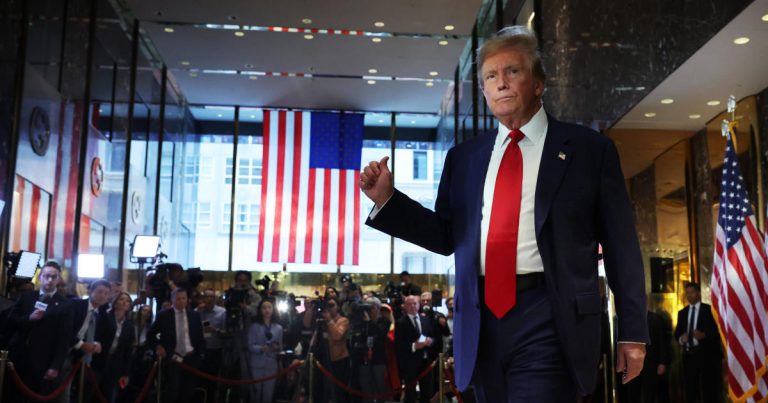
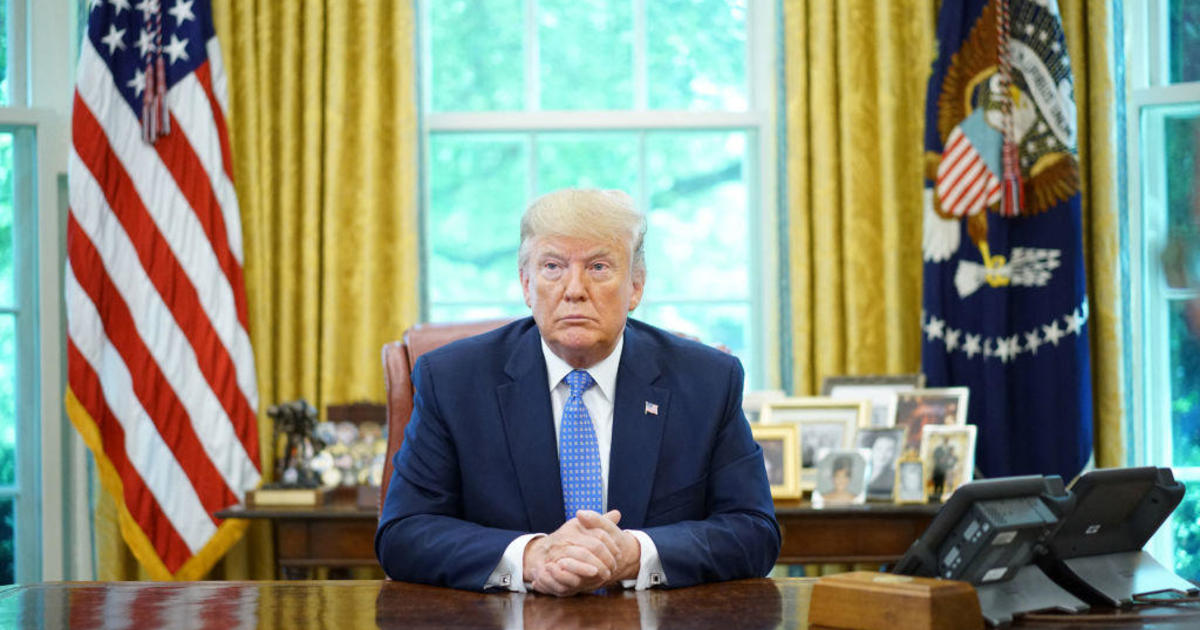
Despite efforts by Democrats to link Project 2025 to the Trump administration, the former president has distanced himself from the initiative, calling some of its recommendations “abysmal.” Trump’s advisers have emphasized that the project does not officially represent his campaign and that policy decisions will be made by him or his team directly.
While Democrats have expressed concerns about the implications of Project 2025 on U.S. democracy and individual freedoms, Republicans have characterized it as a collection of ideas from a conservative think tank rather than a definitive agenda for the next administration. Senators like Marco Rubio and J.D. Vance have underscored the importance of distinguishing between policy proposals and official platforms.
As the political landscape continues to evolve, Project 2025 remains a focal point of discussion and debate. Stay tuned for more updates on this intriguing initiative and its potential impact on the future of American governance. The road to 2025 is paved with challenges and opportunities, and only time will reveal the full extent of this ambitious transition project.
Thank you for joining us at the Boston Post News network, where we bring you the latest insights and analysis on the issues that matter most. Stay informed, stay engaged, and stay tuned for more riveting stories from the world of politics and policy. Until next time, remember that knowledge is power, and the truth shall set you free.