Unvaccinated voters support Trump and Biden over RFK.
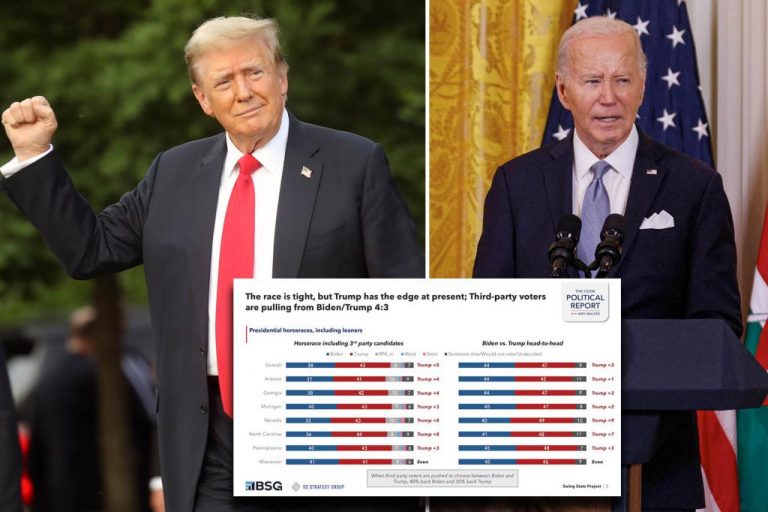
Recent studies have shown a fascinating trend in the political preferences of unvaccinated voters. Despite their refusal to receive the COVID-19 vaccine, a majority of unvaccinated individuals have shown overwhelming support for former President Donald Trump. Surprisingly, these same voters also prefer current President Joe Biden over the late Robert F. Kennedy Jr., a prominent figure in the anti-vaccine movement.
The data collected from various surveys conducted across different demographics have shed light on the complex relationship between political affiliations and vaccine hesitancy. While some may assume that unvaccinated individuals lean towards a certain political ideology, the results have presented a more nuanced picture.
One of the most striking findings from these surveys is the strong backing unvaccinated voters have shown towards Donald Trump. Despite being out of office, Trump continues to hold a prominent place in the hearts of many Americans who have chosen not to get vaccinated. His vocal opposition to vaccine mandates and public health guidelines may have resonated with this particular group of individuals.
On the other hand, the preference for Joe Biden over Robert F. Kennedy Jr. has raised eyebrows among experts and analysts. Kennedy, a well-known figure in the anti-vaccine movement, has long been an advocate for vaccine skepticism and has voiced concerns about the safety and efficacy of certain vaccines. Despite his stance against mandatory vaccinations, it appears that unvaccinated voters still favor Biden, possibly due to his overall political platform and leadership style.
These results highlight the diverse range of opinions and beliefs held by unvaccinated individuals and underscore the complexities of the current political landscape. As the debate over vaccine mandates and public health measures continues to evolve, understanding the perspectives of all individuals, regardless of their vaccination status, is crucial in shaping effective policies and strategies moving forward.
It is essential for policymakers and health officials to engage with communities that have expressed vaccine hesitancy and address their concerns in a transparent and respectful manner. Building trust and fostering open communication are key components in bridging the gap between different segments of the population and promoting widespread vaccination acceptance.
As the nation grapples with the challenges posed by the COVID-19 pandemic, the attitudes and preferences of unvaccinated voters will undoubtedly play a significant role in shaping the public health response and recovery efforts. By recognizing and addressing the underlying reasons behind vaccine hesitancy, we can work towards achieving a more united and resilient society that prioritizes the well-being of all its members.
Ultimately, the intersection of politics, public health, and individual beliefs highlights the complexity of the issues at hand. By approaching these challenges with empathy, understanding, and a commitment to inclusive dialogue, we can move towards a brighter and healthier future for all.