US celebrates as leaders of Sinaloa cartel are arrested
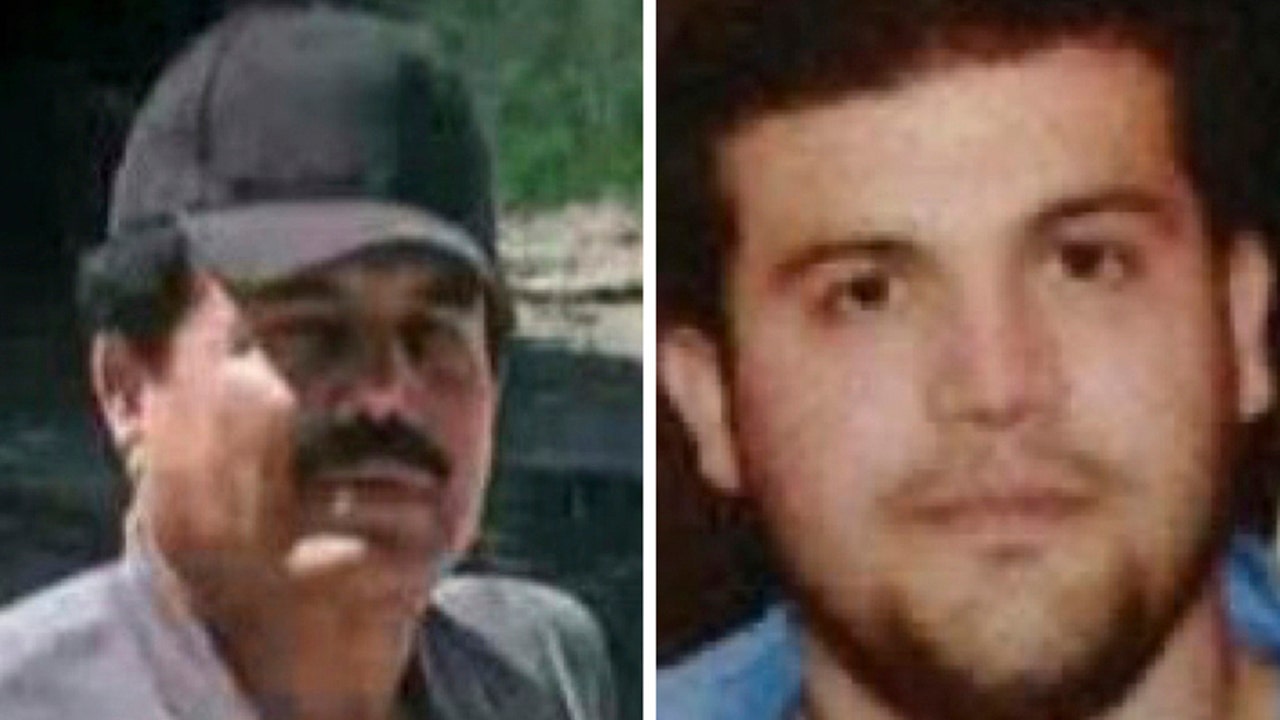
Ismael Zambada Garcia, also known as “El Mayo,” the co-founder of the infamous Sinaloa drug cartel, has been apprehended in El Paso, Texas. This significant capture also includes Joaquín Guzmán López, the son of the cartel’s other co-founder, Joaquin “El Chapo” Guzman.
“The Justice Department has taken into custody two additional alleged leaders of the Sinaloa Cartel, one of the most violent and powerful drug trafficking organizations globally,” U.S. Attorney General Merrick B. Garland announced. “Ismael Zambada Garcia, or ‘El Mayo,’ co-founder of the Cartel, and Joaquín Guzmán López, a son of its other co-founder, were arrested today in El Paso, Texas.”
Guzmán López boarded a private aircraft with El Mayo that purportedly would fly southward to Mexico; however, it headed north to El Paso, where both individuals were arrested. The Department of Justice had offered a $15 million reward for information leading to El Mayo’s capture, who now faces multiple indictments related to drug trafficking and organized crime in the United States.
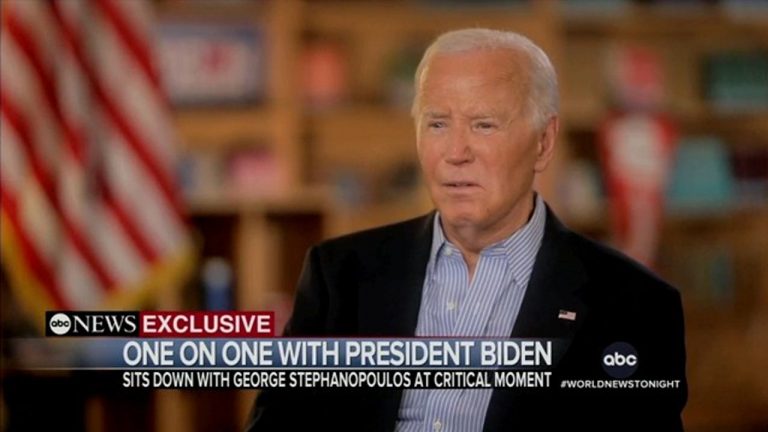
President Biden commended the arrest of the two men, emphasizing its impact on combating illicit fentanyl, primarily manufactured in Mexico and trafficked across the southern border into the U.S.
“I commend the work of our law enforcement officials for their ongoing efforts to bring Sinaloa cartel leaders to justice,” Biden stated. “Far too many lives have been lost to the devastation caused by fentanyl. My administration remains dedicated to holding drug traffickers accountable and protecting American lives.”
“I cannot thank the agents of FBI, DEA, and HSI enough. This was a result of good, old-fashioned fieldwork,” remarked Gonzales, acknowledging the crucial role of law enforcement in the apprehension of these cartel leaders.
Despite the success of capturing El Mayo and Guzmán López, Gonzales cautioned about the potential power vacuum that may arise within the cartel following their arrest.
“Typically, after such arrests, criminal organizations may splinter into smaller, more ruthless factions. We must acknowledge the positive outcome of these captures while also preparing for the aftermath and the void in leadership within these criminal organizations,” explained Gonzales.
He disclosed being in discussions with DOJ officials regarding the necessity of additional resources or strategic measures to address the potential challenges that may emerge post-capture.
As the operations against drug cartels continue, the efforts to dismantle these criminal organizations persist, emphasizing the importance of collaboration between law enforcement agencies to combat drug trafficking and organized crime effectively.