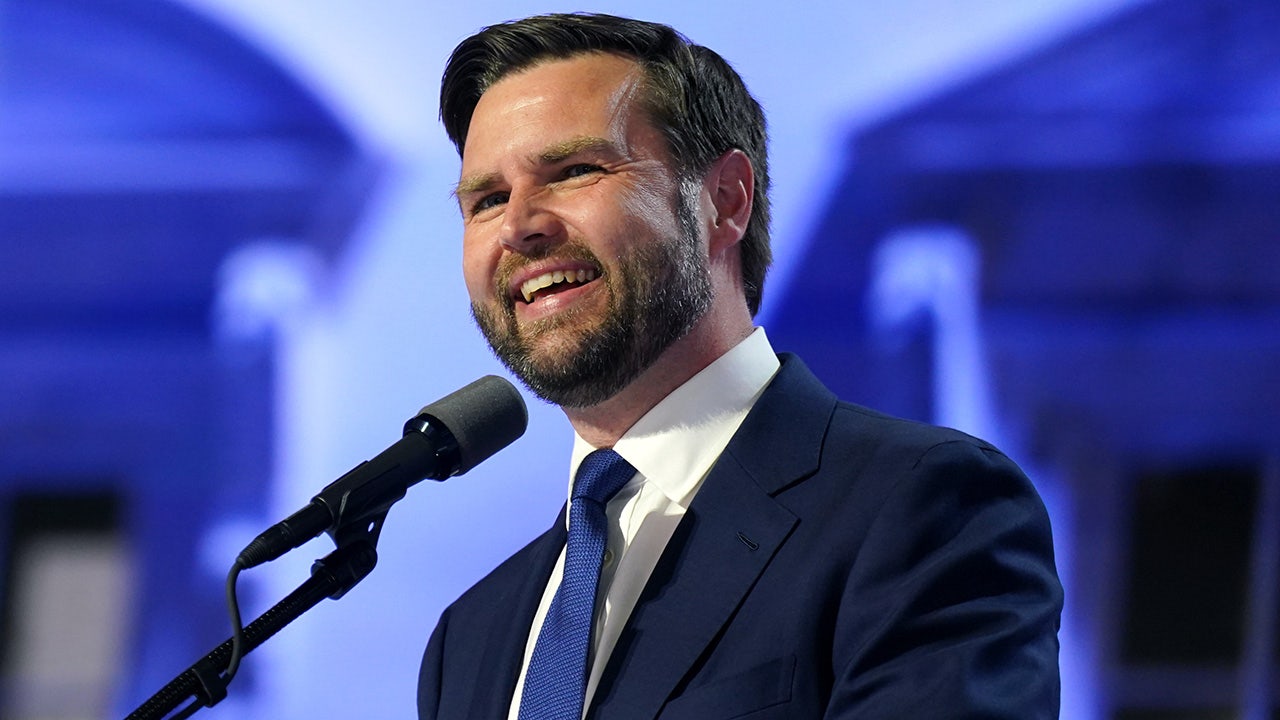
Vance visiting Arizona’s southern border
Former President Trump’s running mate, Sen. JD Vance, R-Ohio, will be embarking on a crucial journey to the key swing state of Arizona this Thursday, with plans to pay a visit to the southern border. This significant border stop comes as the Trump campaign shifts its focus towards running against Vice President Kamala Harris, who was thrust into the spotlight at the top of the ticket following President Biden’s recent exit from the race.
Trump and Vance have made it a top priority to underscore Harris’ involvement in numerous unpopular policies of the current administration, particularly her role in addressing the “root causes” of illegal migration at the southern U.S. border, leading to her being dubbed as the administration’s “border czar.”
The day after Biden’s departure, Vance wasted no time in bringing attention to this critical issue. In comments to reporters, he asserted that Harris’ position at the helm of the Democratic ticket did not alter the political landscape for the Trump campaign.
“We were up against Joe Biden’s open border, Kamala Harris’ open border. Kamala Harris endorsed the green new scam. Kamala Harris, truth be told, shielded Joe Biden despite the obvious signs of his mental incapacity for quite some time,” Vance articulated at that time.
Vance echoed a similar sentiment during a meeting with donors in Minnesota on Monday, emphasizing that the campaign now had a “unique opportunity” to highlight Harris’ track record on border issues, given her emergence as the nominee.
Recent polls continue to indicate that immigration and border security are at the forefront of voters’ concerns as they gear up for the upcoming elections in November. This is even more apparent as the historically high number of illegal crossings in recent years has gradually decreased since reaching its peak in December.
This growing apprehension regarding immigration and border security was underscored by a Gallup poll released last week, with 55% of U.S. adults indicating a desire to see immigration levels reduced. This marked the first time in nearly two decades that Americans voiced a preference for decreased immigration. In contrast, 25% of respondents expressed a desire for immigration levels to remain consistent, while 16% indicated a preference for increased immigration levels.