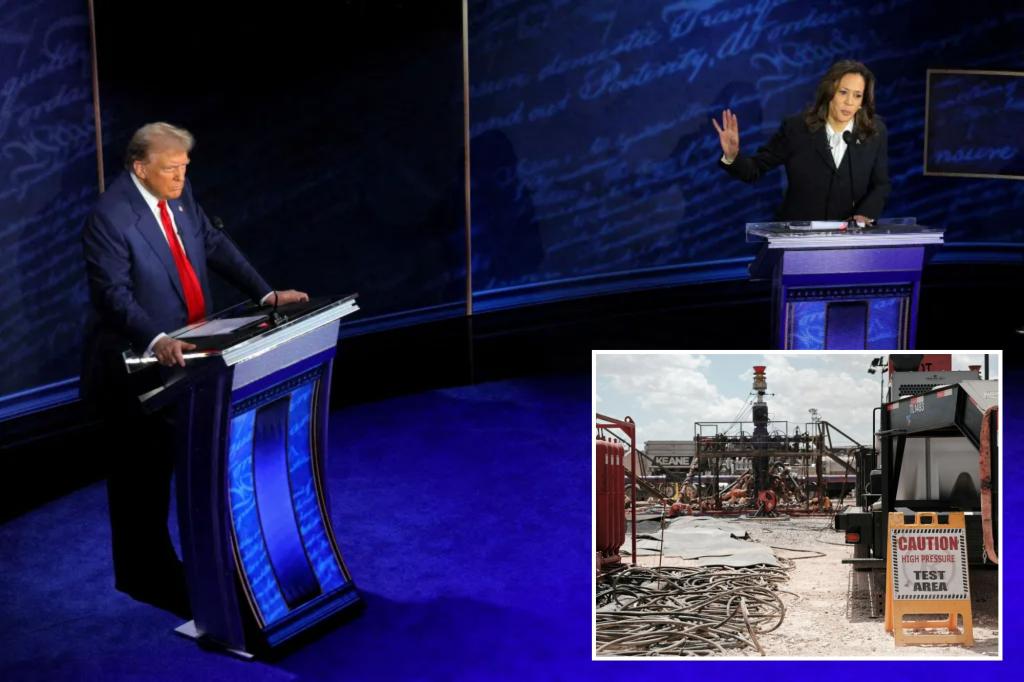
Voters in swing states want Trump and Harris to focus on energy and increase domestic drilling.
As Election Day nears, swing-state voters are eager to hear from the presidential candidates on how they plan to address energy issues. From domestic drilling to renewable energy sources, voters want concrete answers and solutions. With a focus on swing states, such as Pennsylvania, Ohio, and Michigan, energy policies will play a crucial role in deciding the outcome of the election.
President Trump has been a vocal supporter of domestic drilling, touting the economic benefits and job creation associated with the industry. On the other hand, Vice President Harris has emphasized the importance of transitioning to renewable energy sources to combat climate change. Both candidates have strong supporters and detractors when it comes to their energy policies.
Swing-state voters are looking for practical and achievable solutions that address both economic and environmental concerns. The issue of energy independence and national security is also at the forefront of voters’ minds, particularly in states with a strong energy industry presence.
One of the key topics of discussion is the future of fracking, a controversial method of extracting oil and gas from the ground. President Trump has been a staunch supporter of fracking, citing its importance to the American economy. Vice President Harris, on the other hand, has expressed concerns about the environmental impact of fracking and has called for more regulations on the industry.
Another major concern for swing-state voters is the price of energy. With fluctuations in oil prices and uncertainty in the global market, voters are looking for stability and affordability in their energy bills. Both candidates have proposed different approaches to address these concerns, with President Trump focusing on expanding domestic drilling and Vice President Harris promoting investments in renewable energy.
In addition to domestic drilling and renewable energy, swing-state voters are also interested in the candidates’ plans for infrastructure development. The energy sector plays a crucial role in infrastructure, from pipelines to power plants, and voters want to hear how the candidates will address these issues while creating jobs and boosting the economy.
As the candidates prepare for the final stretch of the campaign, their energy policies will be under scrutiny from swing-state voters. From domestic drilling to renewable energy sources, voters are looking for answers that address their concerns and provide a path forward for a sustainable energy future.
Ultimately, the outcome of the election could hinge on the candidates’ energy policies and their ability to win over swing-state voters. With so much at stake, both President Trump and Vice President Harris will need to clearly articulate their plans for the energy sector and convince voters that they have the best interest of the country in mind.