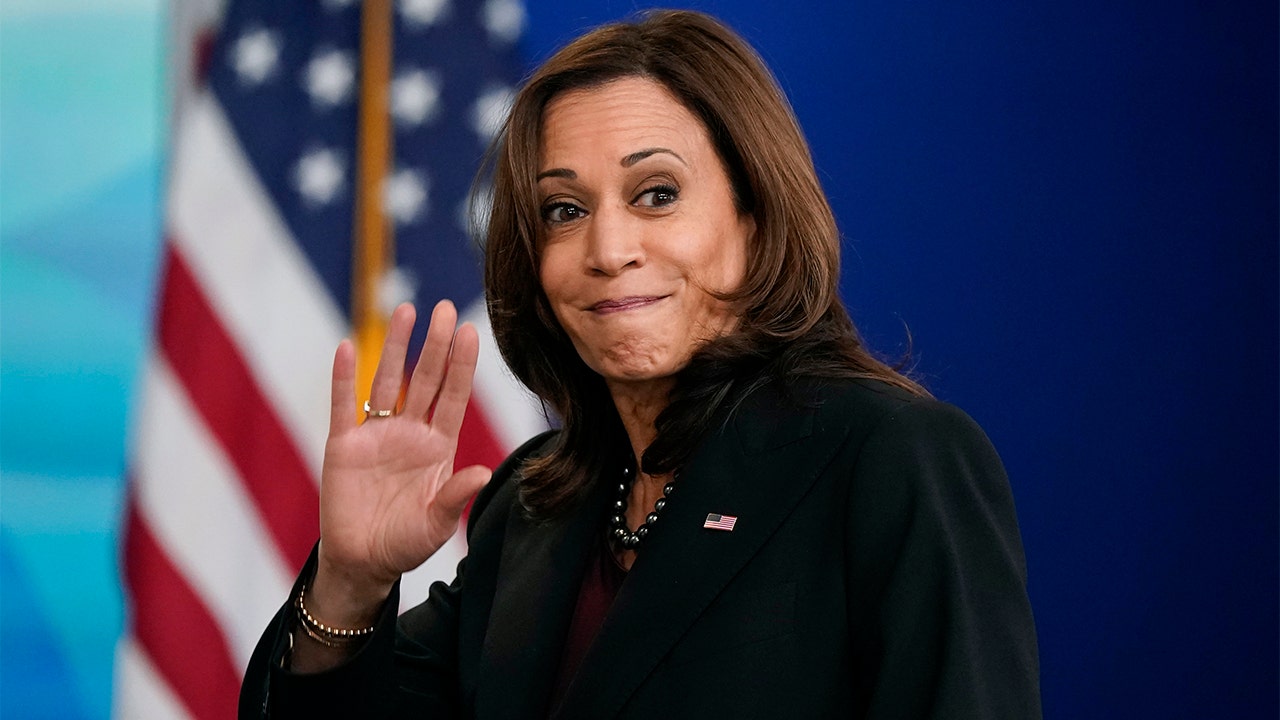
VP Harris receives criticism in key state for past anti-fracking stance.
Presumptive Democratic presidential nominee Kamala Harris is under fire for her previous support of banning fracking, a contentious issue given its popularity in Rust Belt states like Pennsylvania. Harris made a resounding declaration in 2019 during her run for president that she was in favor of banning fracking. At a town hall on CNN, she firmly stated, “There’s no question I’m in favor of banning fracking.” Harris emphasized the need for legislation to support this ban, drawing on her previous work in California on the issue. She highlighted the significant health and safety impacts of fracking on communities.
The conversation around banning fracking has reignited, with critics voicing concerns about the negative repercussions such a move could have on workers and families. Clean natural gas production is viewed as a crucial element of America’s energy future, offering reliable and affordable energy sources and the promise of job creation for thousands of Americans, both union and non-union workers alike.
Conservatives have taken to social media to express their disapproval of Harris’s stance on fracking, particularly following Biden’s endorsement of his vice president and subsequent withdrawal from the presidential race. The backlash from critics underscores the sharp divide on energy policy and its implications for American workers.
Fracking, the process of extracting natural gas from shale rock by injecting water at high pressure, has transformed the oil and gas industry in the U.S. over the past decade. It has enabled producers to access previously untapped resources, leading to a surge in oil and gas production. Proponents of fracking argue that it is vital for achieving energy independence and has contributed to a significant decrease in carbon dioxide emissions.
However, opponents raise concerns about the environmental impact of fracking, citing pollution of air and water sources, as well as the release of greenhouse gases contributing to climate change. The debate over fracking underscores the challenge of balancing energy needs with environmental conservation.
In Pennsylvania, a key battleground state in recent elections, the fossil fuel industry plays a significant role in the economy, supporting over 50,000 jobs. The state ranks as the second-largest producer of natural gas in the U.S., following Texas. Its energy production, driven by natural gas and power generation, positions Pennsylvania as the leading electricity exporter in the nation.
As the 2024 election looms, energy policy, including the future of fracking, is set to be a pivotal issue. The competing interests of economic growth, job creation, and environmental protection underscore the complex challenges faced by policymakers and candidates alike as they navigate the path to a sustainable energy future.