Watchdog warns Afghan evacuee vetting process has flaws
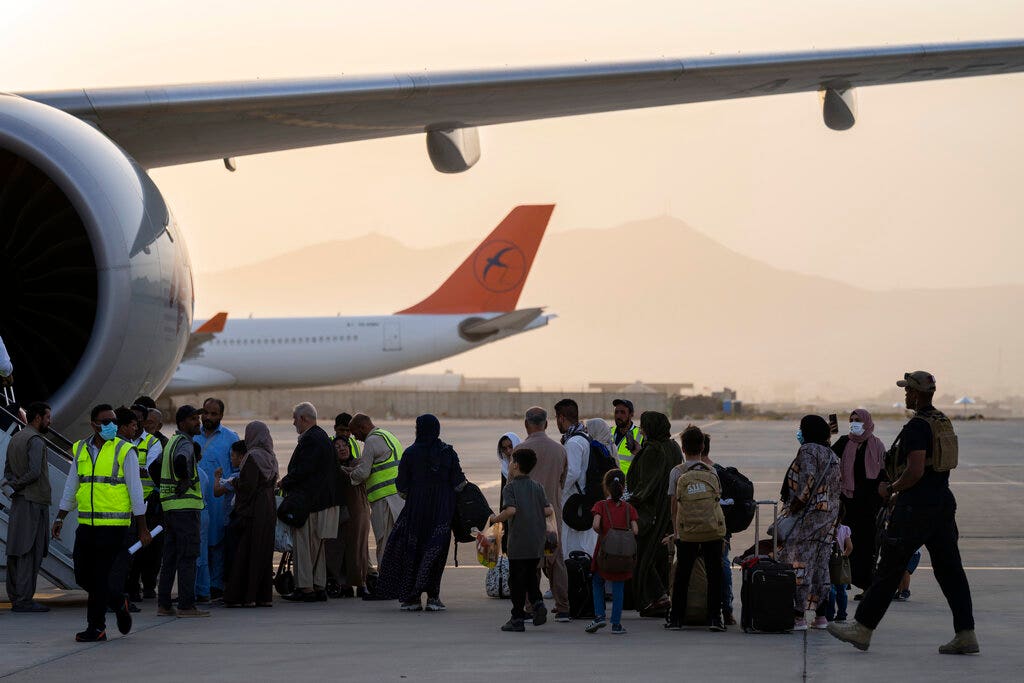
After the chaotic withdrawal from Afghanistan, the Department of Homeland Security’s inspector general released a report criticizing the government’s parole procedures for tens of thousands of Afghan evacuees. The report highlighted major issues in the handling of evacuees under the Operation Allies Welcome (OAW) program.
According to the report, of the 97,000 Afghans who were evacuated to the U.S., approximately 79% were granted humanitarian parole for a two-year period. Parole is a special authorization granted by Congress that allows noncitizens to enter the country for urgent humanitarian reasons or significant public benefit.
During the parole process, Afghans underwent rigorous screening and vetting by various federal agencies to identify any derogatory information that could result in the denial of parole, such as security concerns or criminal backgrounds. However, the report identified significant shortcomings in the coordination between key DHS components – Customs and Border Protection (CBP), U.S. Citizenship and Immigration Services (USCIS), and Immigration and Customs Enforcement (ICE).
The report pointed out that USCIS and ICE lacked consistent processes for handling derogatory information and for initiating removal proceedings when parolees were deemed inadmissible for benefits. There were also discrepancies in criteria and enforcement priorities between the agencies, leading to varying levels of action.
Moreover, the report highlighted challenges in the deportation process of parolees back to Afghanistan, which relied on the cooperation of a third-party country, the United Arab Emirates. Without this cooperation, the deportation process could face significant delays, further complicating an already complex situation.
One major concern raised in the report was the absence of a system for monitoring the expiration of the two-year parole period and unclear guidelines for determining re-parole for the evacuees. This lack of oversight could potentially create loopholes in the system, leaving parolees’ status in limbo.
The OIG recommended that USCIS establish clear guidelines for terminating parole and referring cases to ICE. Additional recommendations included thorough reviews of records, clarification of DHS responsibilities for reauthorizing parole, and establishing protocols for handling derogatory information.
While DHS agreed with the recommendations, it defended its overall approach to resettling Afghan evacuees, emphasizing the importance of balancing national security interests with humanitarian considerations. However, DHS criticized the report for not fully capturing the department’s existing policies and processes for managing derogatory information related to parolees.
Despite DHS’s assertions, the report shed light on critical flaws in the vetting process. A separate report by the Pentagon inspector general found that at least 50 Afghan evacuees brought to the U.S. had significant security concerns, and authorities were unable to locate individuals with derogatory information that would disqualify them from parole.