What Biden’s Plan to Lower Prescription Drug Costs Teaches Us About Politics
Thursday was a monumental day for healthcare policy, revealing the significance of elections in achieving real change. The Department of Health and Human Services declared successful negotiations with pharmaceutical companies to lower prices on crucial medications for Medicare beneficiaries, from blood clot treatments to diabetes medications.
These negotiations were made possible through the Inflation Reduction Act, a key component of President Joe Biden’s legislative achievements. The act, which marks its second anniversary, includes various reforms aimed at reducing drug prices. These reforms are expected to translate into substantial savings for seniors and individuals with disabilities, potentially saving them hundreds to thousands of dollars annually.
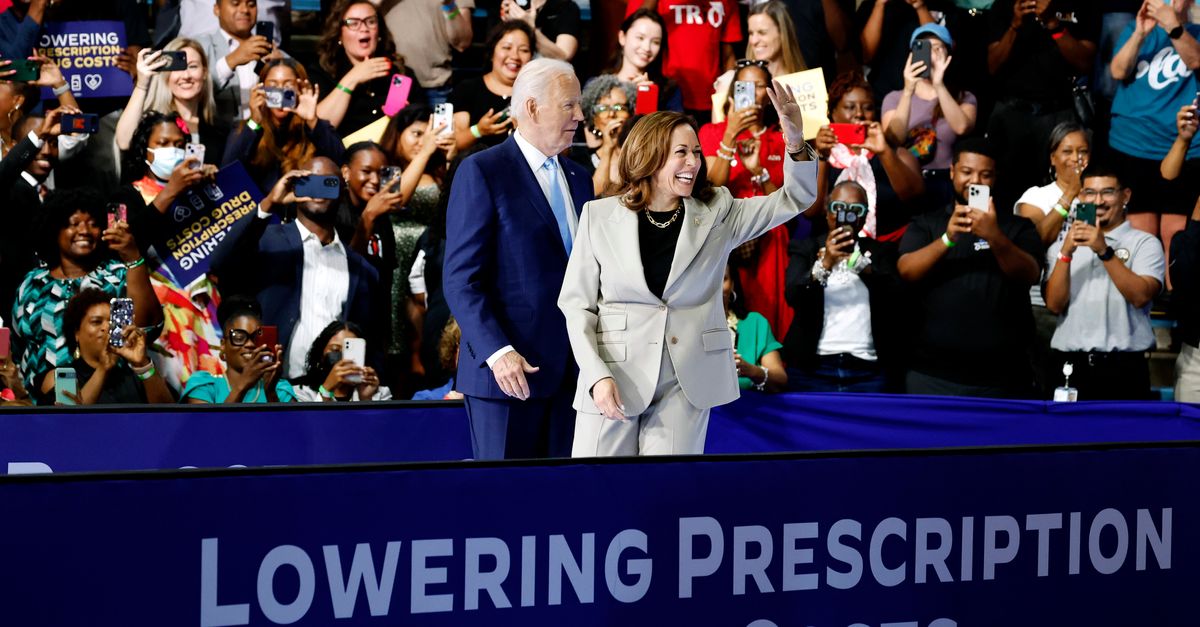
The timing of this announcement coincides with the Democratic National Convention and anticipation for the upcoming election. Vice President Kamala Harris, a vocal supporter of the Inflation Reduction Act, is leveraging this achievement to bolster her candidacy, highlighting her pivotal role in passing the legislation.
Harris is not resting on her laurels and has proposed additional reforms to reinforce the government’s ability to lower drug prices further. One proposal includes expanding the $35 insulin cap to cover all purchases, not just limited to Medicare recipients.
While the recent agreements are a step in the right direction, focusing solely on Medicare beneficiaries leaves much to be desired in terms of overall drug affordability. These price reductions, set to take effect in 2026, may not necessarily benefit all individuals, depending on insurance coverage and preexisting discounts.
This development serves as a reminder of the ongoing work needed to make prescription drugs universally accessible and affordable. While progress has been made, there is still a long way to go to address the root issues of high drug prices.
Historically, efforts to regulate drug prices have faced staunch opposition, particularly from conservative elements and pharmaceutical companies. Previous attempts to grant the federal government negotiating power over drug prices were met with resistance, underscoring the challenging landscape of healthcare policy.
The passage of the Inflation Reduction Act marks a significant shift in approach, thanks to the support of lawmakers willing to prioritize affordability over corporate interests. The delicate balance of political power in Congress plays a crucial role in shaping policy outcomes, as evidenced by the Senate’s narrow approval of the legislation.
The strategic alliances forged in Congress, especially among members more open to progressive reforms, have paved the way for incremental changes in drug pricing regulations. However, compromises made to secure passage highlight the delicate nature of healthcare policymaking and the influence of industry stakeholders.
As the election season approaches, the significance of each vote becomes magnified in determining the future trajectory of healthcare policy. A few votes in Congress can have far-reaching consequences on the scope and effectiveness of legislative reforms, underscoring the importance of electoral outcomes.
The current political landscape underscores the pivotal role of elections in shaping healthcare policy. A slight shift in the balance of power could tip the scale in favor of comprehensive reforms or stifle progress altogether. The upcoming election will undoubtedly set the course for future healthcare initiatives, emphasizing the critical role of voter engagement.