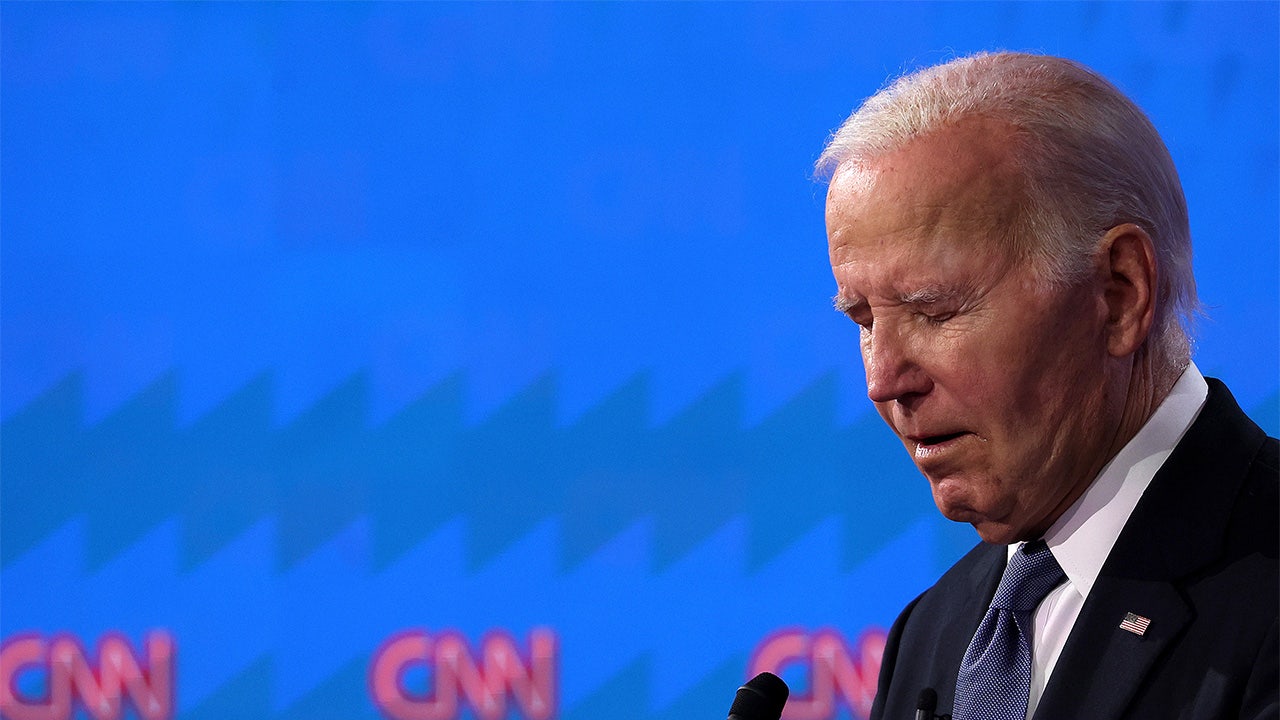
What will Democrats do now that Biden has stopped running for president?
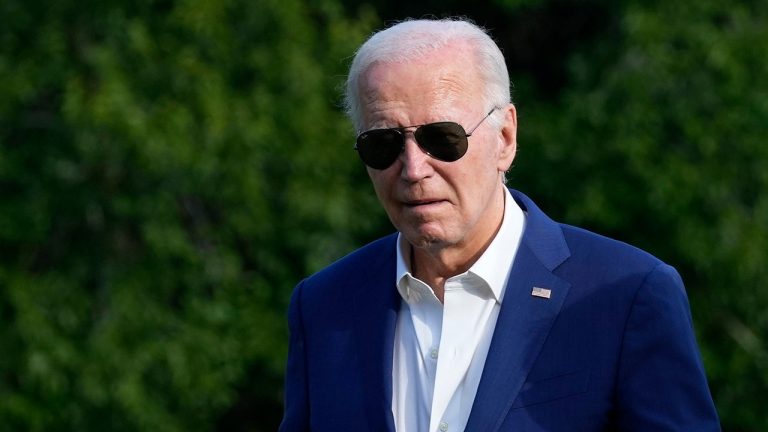
With the 2024 presidential election looming just around the corner, the unexpected withdrawal of once-presumptive nominee President Biden has left the Democratic Party at a crossroads. What happens next in the party’s nominating process following Biden’s decision to drop out of the race? Here’s what you need to know.
President Biden had been the presumed nominee for the Democratic Party, having amassed a significant number of delegates through the primary elections. However, with his exit from the race, these delegates are now free to support other candidates of their choice.
Any eligible candidate can now step up to vie for the Democratic nomination. Names like Vice President Kamala Harris, Governor Gavin Newsom of California, and Governor Gretchen Whitmer of Michigan are frequently mentioned in the media. Should Biden choose to endorse a candidate, that individual would likely gain a significant advantage in the race.
In order to officially enter the race as a candidate, one must gather signatures from at least 300 delegates, with a maximum of 50 signatures allowed from each state delegation.
For a candidate to secure the party’s nomination, they must garner the support of a majority of pledged delegates during the party’s roll call vote – a total of 1,976 or more delegates. It’s important to note that this is not a popular vote but a vote among the delegates.
The Democratic primaries, which served as the initial voting process, have already taken place in 2024. Biden emerged victorious in most of these contests, thereby earning the majority of the pledged Democratic delegates.
The final stage of the nominating process involves delegates formally nominating a candidate during the party’s roll call vote. This step would have occurred even if Biden had not exited the race.
If no candidate secures a majority in the initial round of voting, subsequent rounds follow, and superdelegates, which include party leaders, governors, and members of Congress, may also cast their votes during the Democratic convention.
There are no deadlines that would prevent another eligible Democratic candidate from entering the race and appearing on the general election ballot.
The Democrats are currently slated to officially nominate a candidate in August, with a “virtual” roll call likely taking place before the convention. However, the process and timeline are subject to change.
If a change in candidacy occurs after this point, the Democratic National Convention would have the final say. Such a scenario could bring about political turmoil and present legal and logistical hurdles as time progresses.
In this uncertain political landscape, the Democratic Party must navigate the path forward carefully as they seek to nominate a candidate to face off against their Republican counterparts in the upcoming presidential election.