White House says Israel’s attack on Rafah did not break Biden’s rules
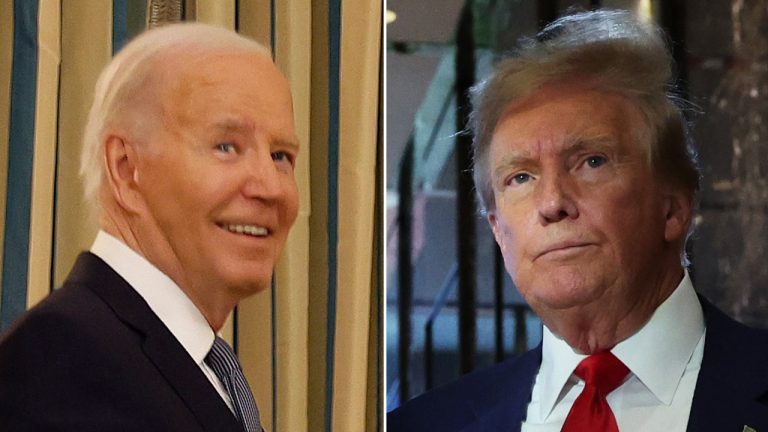
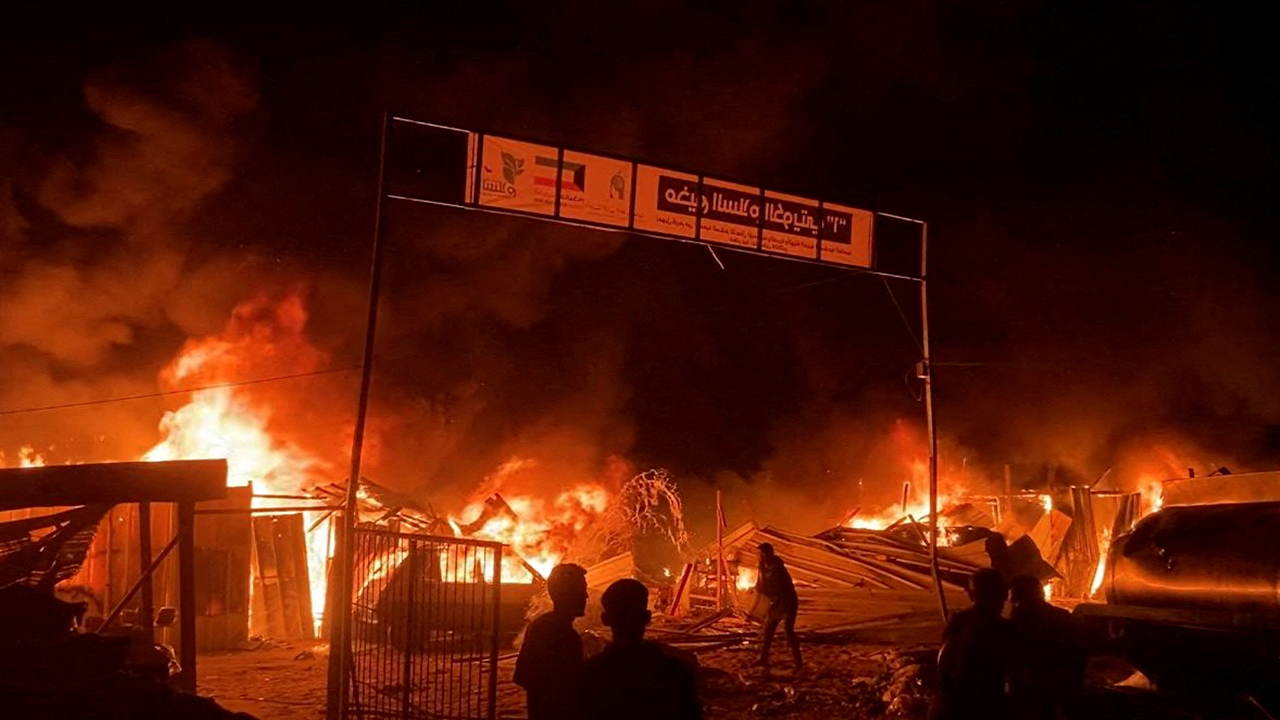
Israel’s recent airstrike on Rafah, resulting in the deaths of two senior Hamas terrorist leaders and numerous civilians, has sparked controversy and discussions about President Biden’s stance on the issue. The White House officials have clarified that this airstrike does not cross the president’s “red line” due to the absence of a major ground operation.
During a press briefing, White House National Security Council spokesman John Kirby fielded questions from reporters regarding the attack on Rafah and the U.S.’s position on Israel’s military actions. Kirby emphasized that the White House does not want to see innocent lives lost and reiterated their opposition to a major ground operation in Rafah.
One reporter pointed out the densely populated nature of Rafah and questioned how the airstrike did not breach the president’s “red line.” Kirby explained that while the area is indeed densely populated, a significant number of people had evacuated the region prior to the airstrike.
When pushed further on whether there was a threshold that would prompt the U.S. to change its support for Israel, Kirby outlined that a major ground operation involved a massive deployment of troops targeting various locations in an extensive manner. As of now, the U.S. has not witnessed any such operation by Israeli forces in Rafah.
The tragic events in Rafah have been ongoing, with Sunday’s airstrike being particularly devastating. Kirby emphasized the distinction between an isolated airstrike and a large-scale ground operation, highlighting the need for a clear understanding of the situation on the ground.
The political implications of the strike were also discussed, with Sen. John Fetterman commenting on the situation on MSNBC’s “Morning Joe.” Fetterman affirmed Israel as a crucial ally and expressed his trust in working with Israeli leadership over militant groups like Hamas in the region.
This recent incident in Rafah has brought renewed attention to the complexities of the Israeli-Palestinian conflict and the challenges it poses for diplomatic efforts towards lasting peace. As discussions continue, the international community watches closely for developments that could impact the region’s stability and security.